Triggered by climate change and the rising urban population, water scarcity has become a pressing global issue. As the demand continues to increase, freshwater sources around the world are slowly depleting, leaving us with no choice but to conserve what we have.
With authorities across the UAE taking various initiatives to spread awareness and regulate freshwater usage, individuals and households should also effectively manage their water consumption to reduce wastage.
Here we’ll share some of the most useful tips for water conservation at home.

Tips for Water Conservation at Home
The water conservation tips shared below are divided according to different parts of a home.
Water Conservation Tips for Bathroom
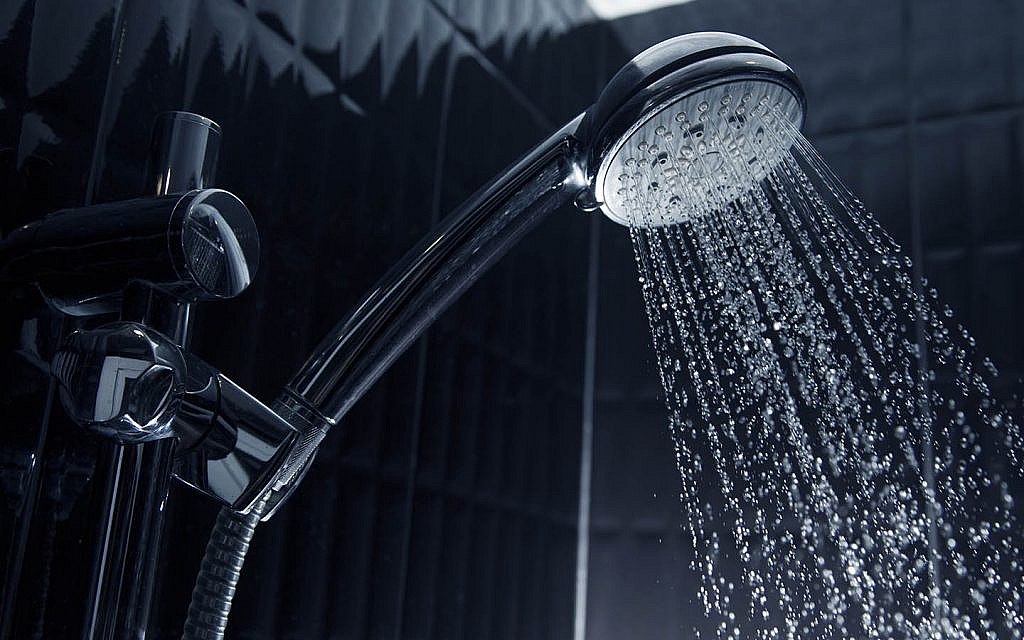
- First of all, make sure there are no leaks in the bathroom. Besides showers and faucets, check for leaks in the toilet as well. To do so, one can add a few drops of food colouring into the flush tank. If the colouring starts to appear in the bowl without flushing, it indicates a leak. Such leakage problems may waste more than 100 gallons of water per day.
- The simplest way to conserve water in a bathroom is to avoid long showers. By reducing the shower time by a minute, up to 150 gallons of water can be saved per month.
- Don’t let the water run while shaving or brushing your teeth. This way one can save over 100 gallons of water per week.
- Replace tap filters and shower heads throughout the house with water flow reducers. These reducers can save 50-70% of water. Moreover, using smart showers and faucets is also one of the most feasible ways to make a home energy efficient.
- Place a plastic bottle filled with water or sand in your toilet tank. This will displace some of the water, reducing the amount of water used with each flush. This hack can save up to 10 gallons a day.
How to Save Water at Home When in the Kitchen
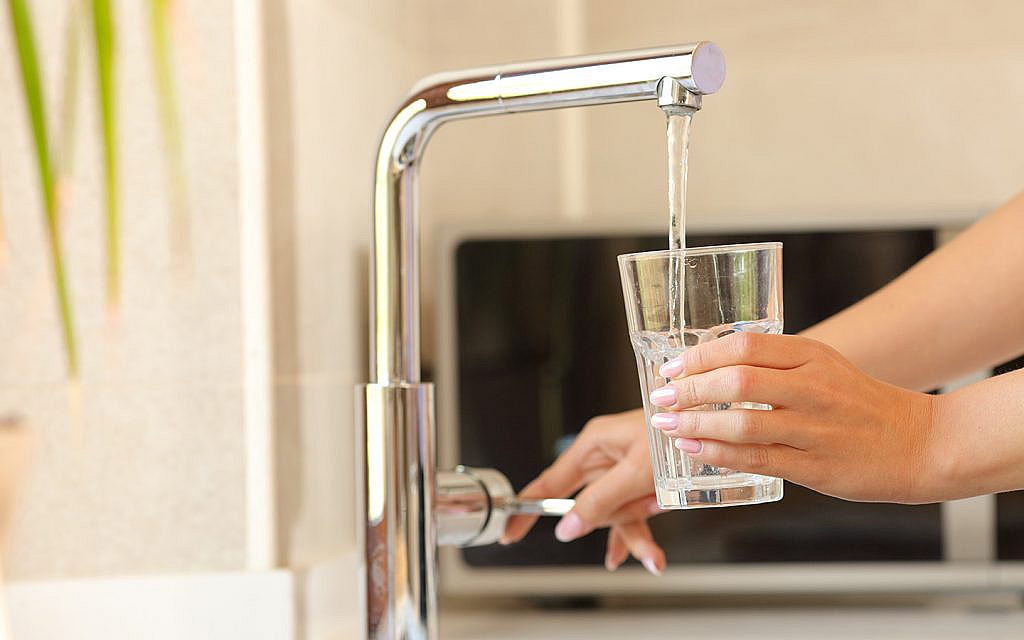
- When washing dishes by hand, try to apply less washing liquid. This reduces the water needed for rinsing.
- If you have an automatic dishwasher, operate it only when it is fully loaded. Also, note that dishwashers are considered more water-efficient than washing by hand when properly loaded.
- Don’t leave the tap running when cleaning fruits or vegetables. It is better to fill a container or the sink with water and do the necessary rinsing.
- People often thaw food with running water, which can result in a lot of waste. Instead, edible items can be defrosted overnight in the refrigerator. Furthermore, a microwave’s defrost mode can be used for the same.
- Another good way of saving water in the kitchen is to reduce the size of the pot used for boiling food. Opt for the smallest pot available when cooking items such as rice pasta or potatoes. Add only enough water to cover the food.
- Consider installing a modern, low-flow faucet at the kitchen sink. A more affordable alternative to this would be installing a water-saving aerator on the faucet. Switching to these water-efficient options can save as much as three gallons of water per minute.
Water Conservation Tips for Laundry
- To save water when doing laundry, use the washing machine only with full loads. Set the water level according to the size of the load. Consolidating washing is always a more water-efficient technique.
- If there’s a need for a new washing machine, opt for the new, high-efficiency models. These use less than 27 gallons per load and can save up to 7,000 gallons per year.
- Whether washing clothes by hand or using a machine, try using warm water. It speeds up the chemical reaction of the detergent, removing dirt and stains more efficiently. The warm water technique can also reduce water consumption in the laundry by as much as 50%.
Tips for Conserving Water When Gardening
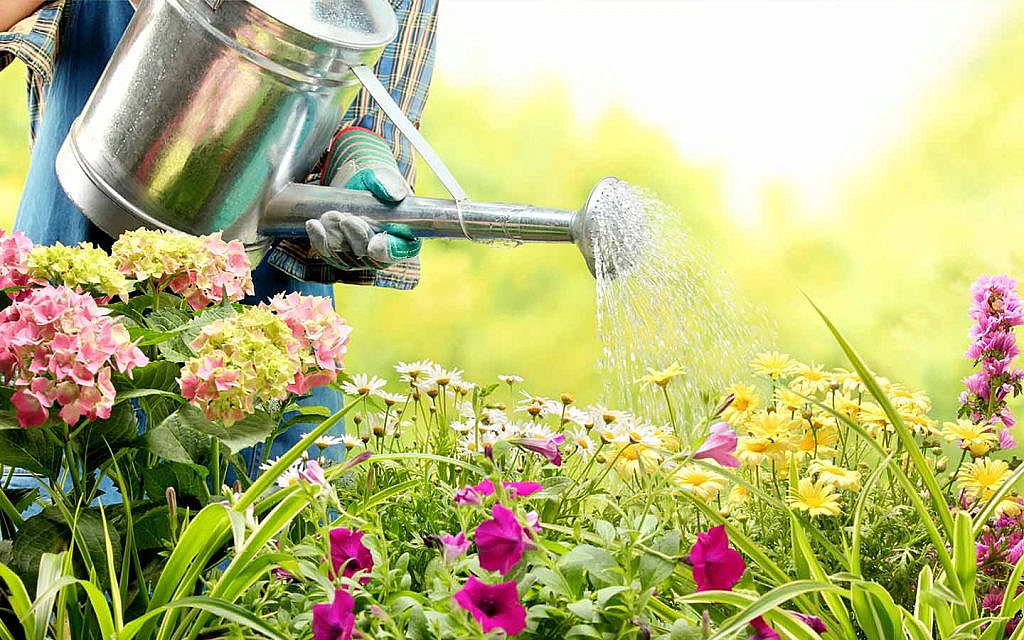
- One of the most effective tips on how to save water at home is to make some tweaks to gardening habits.
- Try watering the garden at the time of the day when temperatures are lower since it reduces evaporation. It is advisable to water outdoor plants either before 8 am or after 6 pm.
- It is not necessary to water a home garden daily. Soil moisture can be checked in this regard. If two to three inches of soil below the surface is dry, it means the plants need watering.
- A drip irrigation system can also be useful if there are shrubs and trees. With water dripping slowly near the root zone of a plant, it significantly reduces water wastage.
- If there are sprinklers installed for watering, make sure they are leak free. Inefficient sprinkler systems may result in significant water wastage.
- Install an automatic shut-off valve on the sprinkler system. It would automatically shut it off when it rains. It is one of the effective ways to conserve water at home.
- A layer of organic mulch around the plants can also help them retain moisture, which will help save both water and time.
- It would also be a good idea to ask a local gardening expert when selecting plants for a home garden as certain species need less water than others.
How to Save Water When Washing a Car
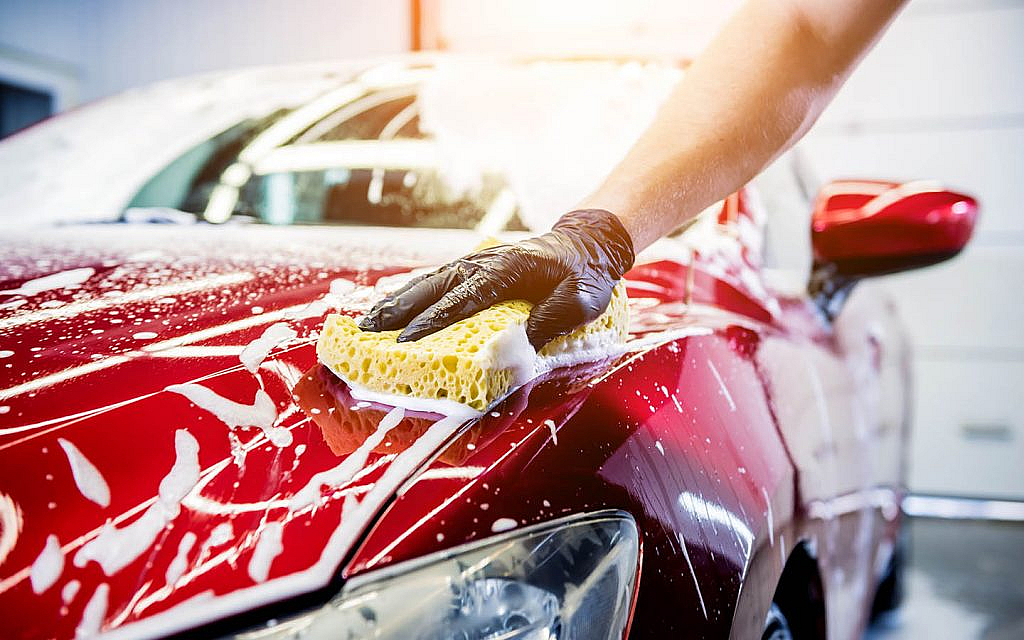
- Going for a bucket wash technique is a feasible way to save water when washing a car.
- Use two buckets instead of one for the purpose. Fill the one with soapy water and the other with clear water. This will reduce the need for continually replacing the bucket water. It is an expert cleaning tip to make a car sparkle and save water at the same time.
- For someone who prefers using a hose over a bucket wash, they must know that it can consume up to 10 gallons of water per minute. This means 100 gallons of water would be needed for a 10-minute car wash.
- However, installing a turn-off nozzle on a hose used for car washing can noticeably bring down water consumption.
- Wash a car in a shaded spot as sunlight causes the water to evaporate faster. This means more water will be needed for rinsing.
- One can also simply wash their car less to conserve water at home. However, if the car is not dried properly after a wash, it may get dirty sooner. Improper drying is one of the most common car wash mistakes to avoid.
Tips for Recycling Water at Home
While working on ways to conserve water at home, one should also consider strategies for recycling it. Let’s learn some tips on how to recycle water at home.
Use a Shower Bucket
When running at its full capacity, an average shower head has a water flow of 2.1 gallons per minute. This means an 8-minute shower can use around 16 gallons of water. However, simply placing a bucket in the shower can help significantly reduce water wastage. The grey water accumulated during the shower can then be used for washing the bathroom floors or outdoor areas. This is an easy tip for water conservation at home.
Save Water When Rinsing Fruits and Vegetables
While rinsing fruits, vegetables and other edible items, we can collect a lot of water instead of wasting it. Try to fill up a small bucket or a container with enough water that it can completely soak the items that need rinsing.
Once rinsing is done, the water left can be used for cleaning different types of household surfaces or watering plants. However, make sure the water is chemical-free as it can be harmful to plants.
Using Recycled Sewage Water for Gardening
Recycled sewage water may contain different types of organic nutrients that can be good for plants. This means it can be used for watering home gardens. To obtain recycled sewage water, one can simply get in touch with the local municipal authorities in the UAE. For Dubai residents, such practices can also help noticeably reduce the DEWA bills.
These were some useful tips on water conservation at home. Households must know the common reasons for high water and electricity usage to effectively manage their energy consumption.
When looking for a new house for sale in the UAE, check the property thoroughly for any leakage or seepage issues. If spotted, get it fixed asap since high water consumption can not only burden the environment but your pocket too.
For more informative guides on home care and maintenance, keep following the dubizzle property blog.