- Understanding Freehold Ownership
- Eligible Areas
- Steps to Convert
- Impact On the Real Estate Sector
- Difference Between Leasehold and Freehold
- FAQs
Dubai has announced a significant change in its real estate landscape, allowing Sheikh Zayed Road and Al Jaddaf property owners to convert their properties into freehold ownership. This Dubai Land Department initiative, part of Dubai’s Real Estate Strategy 2033, aims to enhance property rights and attract more investors. With 457 plots eligible for conversion, this development could reshape property ownership dynamics in these key areas. Here’s an overview of what this news of private property conversion to freehold ownership means for property owners.
Understanding Freehold Ownership
Freehold ownership means you fully own a property and the land it is on. In Dubai, anyone from any country can have this type of ownership. It gives security and long-term benefits to both residents and investors.
This is different from leasehold agreements, which have a time limit and may need renewal. Freehold ownership has no time limit. This makes these properties more appealing to buyers and investors.
Eligible Areas for Conversion
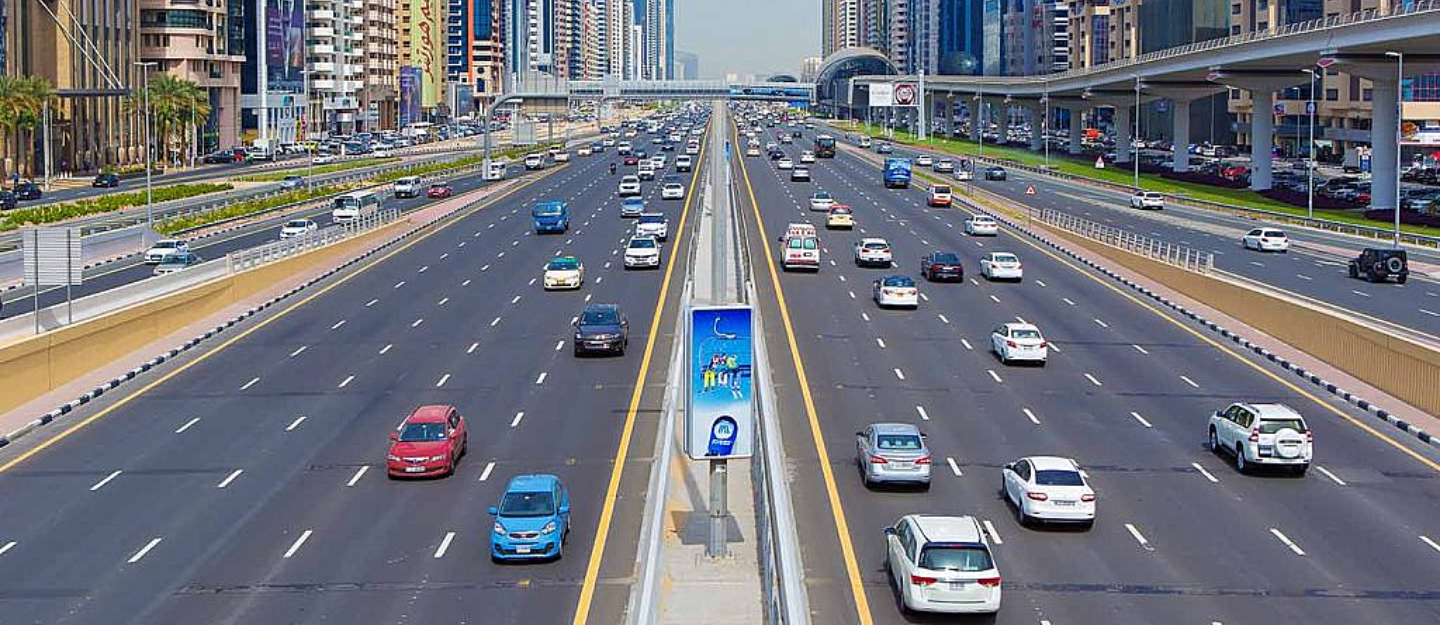
The new policy applies specifically to Sheikh Zayed Road properties and Al Jaddaf. These areas are known for their strategic importance and high demand within the Dubai real estate market. Sheikh Zayed Road is a major thoroughfare that connects various parts of the city, making it a prime location for businesses and residential developments. Al Jaddaf is also rapidly developing, with numerous amenities and services. A total of 457 plots have been identified as eligible for this conversion. To be precise, 128 plots along Sheikh Zayed Road and 329 plots in Al Jaddaf are eligible.

Steps To Convert Ownership
Landowners can use the Dubai REST app to check if they are eligible to benefit from the transfer process. This step is essential as the transfer requires the Dubai Land Department to assess and evaluate the land.
After determining the common area fees and service charges as per Real Estate Regulatory Authority (RERA) guidelines, a conversion fee of 30% of the property’s valuation, calculated based on the Gross Floor Area, will apply.
Once the payment is completed, the property will be issued a map and a freehold ownership title deed for the converted land.
Impact of This Initiative on Real Estate Sector Growth

The Sheikh Zayed Road private property conversion to freehold ownership will fuel the market growth in these key areas. It is especially useful for Dubai property market growth, for those who want to change their land to freehold ownership, offering better investment opportunities.
Landowners in key areas like Sheikh Zayed Road and Al Jaddaf can now convert their properties to freehold ownership. Eng. Marwan Ahmed bin Ghalita, the Director General of the Dubai Land Department (DLD), said this change will help Dubai’s property market grow. It will also make Dubai stronger as a global business hub and a top place for real estate investment, following the goals of Dubai’s Real Estate Strategy 2033.
In parallel, Dubai has introduced the smart rental index to enhance transparency in the rental market. The index includes average rents for areas, a star rating system and building details, such as maintenance quality and parking. Buildings with higher ratings can charge higher rents. Older buildings can also raise rents if they improve and get a better rating. The index covers all residential areas in Dubai, including districts, special zones and free zones. Naturally, this helps property seekers and investors make informed decisions across the city
Difference Between Leasehold and Freehold
Unlike freehold properties, leasehold agreements have time limits and often require renewals. Case in point: in the UAE, leasehold and freehold properties differ in ownership. Freehold means owning the property and land permanently. Expats can buy freehold properties in designated areas, like Downtown Dubai or Palm Jumeirah, with full control and no annual ground rent. Leasehold, common for apartments, grants property ownership for a limited term, typically 99 years, while the land remains with the landlord.
Leaseholders may pay service charges and need permission to make changes. Freehold properties are easier to sell and retain value for, while leasehold properties suit those seeking short-term investment. Both options cater to the UAE’s diverse property market and ownership preferences.
FAQs
Can existing leasehold agreements be converted to freehold?
Yes, leasehold properties in the specified areas can be converted to freehold, subject to the property’s eligibility and approval by the DLD.
Can non-UAE nationals convert their properties to freehold ownership?
Yes, non-UAE nationals can also convert their properties to freehold ownership under Dubai’s property laws.
How long does the freehold conversion process take?
The duration depends on the submission of documents and approval by the Dubai Land Department.
That was all about private property conversion to freehold ownership. This initiative enhances property ownership opportunities in Sheikh Zayed Road and Al Jaddaf, aligning with Dubai’s Real Estate Strategy 2033. It strengthens Dubai’s real estate appeal for investors. Explore these properties for sale in Dubai to seize this opportunity.
For the latest news on UAE real estate, keep visiting the dubizzle property blog.