
Given the surge in the real estate market of Dubai, the city is a hot spot for investors from all over the world. The wide array of new developments in different parts of the city now provides locals and foreigners with plenty of options for rent, purchase or investment.
Property purchasing is not a seamless process in the Emirate, given there are rigid rules and regulations that one has to follow.. Buyers can get overwhelmed by the number of factors they need to consider. In the UAE, there are many region-specific aspects to understand. For instance, one of the first things you should know about investing in Dubai’s real estate is the difference between freehold and leasehold property.
A freehold vs leasehold property in Dubai may look like a battle between two extremely different types of lands, but in essence, both of these options come with their sets of pros and cons. Therefore, to help you decide which option is right for you, here is a detail on freehold vs. leasehold property.
FREEHOLD VS. LEASEHOLD PROPERTIES IN DUBAI
To begin with, these are two forms of legal property ownership. Anyone, especially expats, interested in investing in Dubai’s real estate often have to choose between these two. Since they both require a substantial financial commitment, it is important to understand their technicalities.
FREEHOLD PROPERTY
Purchasing a freehold apartment or villa gives you property ownership and the ownership of the land on which the property is built.
Dubai Land Department (DLD) registers the freehold buyer’s name as the “Landowner” in the registry and also provides them with the title deed for the property. This is stated in the property ownership laws in Dubai.
This means that you get a greater degree of control when you buy a freehold property. Since you have the right over the building unit as well as the land, you can renovate and make changes to the structure as per your wish.

The freehold property ownership is reserved mainly for expatriates and foreign nationals of Dubai living abroad who can purchase a ready or off-plan property on a freehold basis in designated zones. It is important to note that freehold properties must only be bought from government-approved real estate agents and developers.
Interestingly, Dubai was the first city to provide freehold properties to expats and foreign nationals. It was in 2001 that the Dubai government allowed expats to get a 99-year lease on Dubai freehold lands. Later in 2002, the government issued the Freehold Decree, which authorised foreign nationals over 21 years of age to purchase, sell, lease, and rent properties on freehold ownership in designated areas of Dubai.
ADVANTAGES OF PURCHASING FREEHOLD PROPERTIES IN DUBAI
There are many benefits of buying a property in Dubai. However, pros and cons of freehold properties must also be considered before making the decision. This type of property gives you complete control over the unit and the land together. Thus, the owners can remodel, renovate, or reconstruct the unit as they see fit and as long as it abides by development guidelines.
PROPERTY INHERITANCE

There’s no rule writing off the property when the original owner dies. The contract is applicable in perpetuity, and the property will be inherited by the rightful heir when the owner passes away. Hence, freehold properties always remain in the family.
FREEDOM OF CHOICE
A freehold property owner is free to sell, lease or occupy it in Dubai.
VISA
With a freehold property in your name, you and your family is eligible for renewable UAE residence visas if they meet certain conditions. After the issuance of long-term residency visas in the UAE, freehold property owners are now eligible for 5 and 10 year visas. Besides, if you are an expat interested to buy a property for investment purpose, then you can invest in a freehold property and get an investor visa in Dubai.
PLENTY OF FREEHOLD PROPERTY OPTIONS
There are many names when it comes to the list of freehold property areas in Dubai. There are wide and various choices available in different zones for prospective buyers to see which one(s) would fit them best. Freehold areas in Dubai comprise several property options suitable for varying budgets and needs.
DISADVANTAGE OF PURCHASING FREEHOLD PROPERTIES IN DUBAI
The only disadvantage of buying a freehold property in Dubai is that only the owner is exclusively responsible for maintenance and upkeep of the property. This is more applicable in a lease or rented scenario. The tenant will not be liable for the maintenance/repairs of the unit.
WHERE CAN I BUY A FREEHOLD PROPERTY IN DUBAI?

Many options are available for freehold purchase in Dubai. There are many renowned areas in the Emirate where you can invest in freehold property. These include The Springs, JBR, Downtown Dubai, The Meadows, Dubailand, Business Bay, Jumeirah Village CIrcle (JVC), Dubai Marina and many other areas of the Emirate. Furthermore, the city has also seen recent developments of freehold properties in previously non-freehold areas. These include City Walk and La Mer. Hence, if you are looking for a townhouse, apartment or a villa for sale in Dubai, you can search for freehold property in these areas.
LEASEHOLD PROPERTY
Leasehold property involves leasing the unit from its legal owner for a period of 99 years or less. Since its ownership on lease, it gives the buyer rights to the unit alone, not the land.
ADVANTAGES OF BUYING LEASEHOLD PROPERTIES IN DUBAI
While you do not get ownership of the land, there are several benefits that make it a better option for some people.
CONTRACT RENEWAL

When living in a leasehold property, the leaseholder can renew the contract at the end of each term and shall continue to live in the property without any risk of moving out.
NO RESPONSIBILITY OF MAINTENANCE
Just as we mentioned in the above section, the biggest difference between freehold property and leasehold property is that all repairs, maintenance work, and responsibility of up keeping the unit is of the freehold owner. In owning a leasehold property, you face only limited liability for repairs dependent on the cause of the damage to the property structure.
AFFORDABILITY
A difference between freehold and leasehold in Dubai is that the leasehold properties are priced somewhat lower than freehold ones. Thus, it makes them more affordable.
DISADVANTAGES OF BUYING LEASEHOLD PROPERTY IN DUBAI
PERMIT REQUIRED FOR IMPROVEMENTS
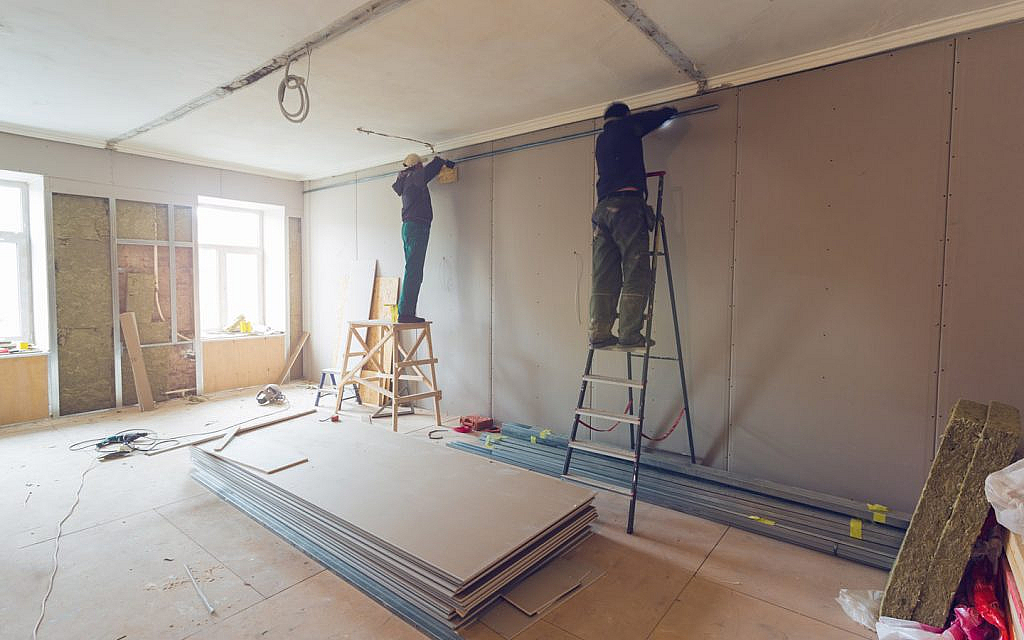
In a leasehold property you cannot make structural changes. Therefore, residents who want to remodel, repair, or make alterations in the structure of the property, have to get a permit from the freeholder.
RESTRICTIONS ON SUBLETTING
You cannot sublet a leasehold property and might even be required to take permission for keeping pets. In case of violation, you may face legal charges. Besides, there are laws on shared accommodation in Dubai, according to which you cannot sublease in Dubai without the landlord’s permission.
WHERE CAN I BUY A LEASEHOLD PROPERTY IN DUBAI?
You can find leasehold properties in particular areas of Dubai, such as Dubai Silicon Oasis and Green Community. You can also purchase leasehold properties in other areas where foreigners are allowed to buy an apartment in Dubai or a villa.
In a discussion of freehold vs leasehold, we found out that there are pros and cons with each type of ownership. Apart from evaluating the perks, deciding between the two options depends on the return you are expecting from your investment. Therefore, it is essential to do some dedicated research before proceeding to buy a property in Dubai, as you’re going to make a substantial financial commitment. Also, make sure you avoid house buying mistakes in Dubai and familiarise yourself with all the specific real estate terms.
Stay tuned to the UAE’s popular property blog for information related to buying and selling of properties, ownership rules for expats and a lot more.