
Shared accommodation in Dubai is regulated through tenancy laws and Dubai Municipality rules that govern how properties can be sub-leased or shared. The framework protects the rights of all stakeholders, upholds community standards and restricts unauthorised use of residential properties. A clear understanding of these laws is crucial, as non-compliance can result in legal consequences and penalties.
Dubai Shared Housing Laws
Shared accommodation laws and regulations in Dubai are overseen by key regulatory bodies, including the Real Estate Regulatory Agency (RERA) and Dubai Municipality.
Law No. (26) of 2007
The Dubai Rental Law No. (26) of 2007 sets out provisions governing sub-leasing arrangements:
- Article (2): Defines a sub-tenant as a person permitted to use a property, or part of it, under a lease contract with the tenant, provided the landlord has given approval.
- Article (8): States that a sub-lease automatically ends when the main tenancy contract expires, unless the landlord agrees to renew or extend it.
- Article (22): Unless stated otherwise in the lease contract, the tenant is responsible for paying charges or taxes related to a sub-lease to the government authorities.
- Article (24): Requires tenants to obtain written consent from the landlord before sub-leasing or sharing the property.
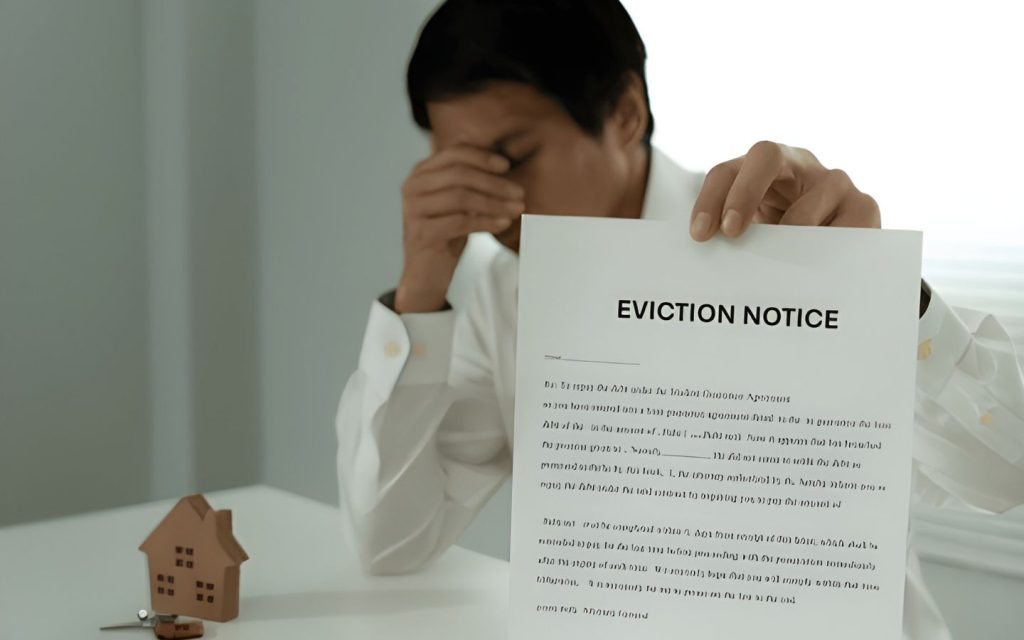
- Article (25)(1)(b): Grants landlords the right to evict both the tenant and sub-tenant if the property is shared or sublet without prior approval.
In essence, the law permits tenants to share or sub-lease a property in Dubai, but only with the landlord’s written consent. The validity of the sub-lease remains tied to the main tenancy agreement and ends upon its expiry unless renewed by the landlord.
Law No. (33) of 2008
Law No. (33) of 2008 introduced amendments to Law No. (26) of 2007, further clarifying the provisions related to sub-leasing. As stipulated in the original law, landlords have the right to evict a tenant if the property is sub-leased without written consent. The amendment adds that in such cases, the sub-tenant is entitled to claim compensation from the tenant, thereby safeguarding their rights and financial interests.

Law No. (4) of 2026
Law No. (4) of 2026 regulates shared accommodation arrangements in Dubai, establishing requirements for permits, occupancy limits and safety standards. The law applies to properties where individuals or families rent private spaces while sharing common facilities, including kitchens, bathrooms and dining areas. Under the regulation, Dubai Municipality will determine the maximum number of occupants allowed in each property, the minimum space required per resident and the shared facilities that must be provided.
The law aims to reduce overcrowding and regulate informal housing arrangements while improving health and safety standards for residents. Violations can result in fines ranging from AED 500 to AED 500,000, with penalties potentially doubling for repeated offences within one year, up to a maximum of AED 1 million.
Shared Accommodation Rules in Dubai
Alongside the shared accommodation laws in Dubai, a separate set of rules and standards outlined in the Dubai Building Code and by Dubai Municipality govern how shared accommodation spaces are designed, maintained and regulated across the emirate.
The shared accommodation regulations include the following:
- Minimum Floor Area: The shared residential spaces must provide at least 5.0m²/person; whereas, the minimum criteria is at least 3.7 m²/person for labour accommodations.
- Minimum Bedroom Area: Bedrooms and living rooms in shared accommodation must have a minimum area of 10.5 m².
- Staff Accommodation: Rooms provided for staff must have an attached bathroom and are limited to single or double occupancy. Single rooms must be at least 13 m², while double rooms must be at least 20 m².
- Student Accommodation: Student rooms must have a minimum area of 7 m². In shared rooms, each student must have at least 5 m² of personal space, excluding toilet areas.
- Maximum Occupancy: A labour room can accommodate a maximum of 8 workers.
How to Check If Shared Accommodation Is Legal
It is essential to verify the legality of shared accommodations for rent in Dubai to avoid legal complications and safety risks. A legal shared accommodation must have:
- Structural alterations approved by Dubai Municipality
- All tenants and sub-tenants registered on the Ejari Dubai
- Written approval from the landlord permitting sub-leasing or shared use
In June 2025, Dubai Municipality, in collaboration with the Dubai Land Department (DLD) and Dubai Civil Defence, launched a major crackdown on illegal shared accommodations and overcrowded housing units in areas such as Deira, Al Riqqa, Satwa, Al Barsha and Al Raffa. These illegal accommodations feature unauthorised drywall or wooden partitions, which compromise fire safety in residential buildings and violate Dubai’s housing regulations.
FAQs
What can I do if I am evicted from a shared accommodation in Dubai?
The landlord has the right to evict both the tenant and sub-tenant if the property was rented or shared without written consent. However, in such cases, the sub-tenant is entitled to claim compensation from the tenant for losses arising from the unauthorised arrangement.
How many people can live in one room in Dubai?
According to the Dubai Building Code, the minimum space requirement is 5.0 m² per person in shared residential accommodation and 3.7 m² per person in labour housing. Additionally, bedrooms and living rooms must have a minimum area of 10.5 m² to meet safety and comfort standards.
What are the penalties for violating shared accommodation laws in Dubai?
Penalties for violating shared accommodation laws in Dubai vary based on the severity of the violation, with a maximum of AED 1M. They may include financial fines, eviction orders and restrictions on the landlord’s ability to register or lease additional properties.
Can I share a room with my girlfriend in Dubai?
Yes, amendments to Federal Decree-Law No. 15 of 2020 decriminalised consensual relationships between unmarried couples, meaning cohabitation is no longer an offence.
Is sharing a flat or apartment legal in Dubai?
No, sharing is legal with the landlord’s written consent and if all tenants are registered on Ejari. However, there are certain pros and cons of sharing accommodation that should be considered before.
These shared accommodation laws in Dubai protect the rights of all stakeholders while ensuring compliance with building codes, safety standards and occupancy regulations. Shared living allows tenants to split rent and reduce housing costs, offering financial relief. However, it also comes with its own advantages and challenges, and choosing the right roommates is essential for a comfortable and hassle-free living experience.
Stay connected with dubizzle’s property blog to learn more about the Dubai Housing Regulations 2025.