
Dubai’s vibrant real estate market is known for its holistic rules and regulations, protecting the rights of all the parties. One such regulation is the Law No. (33) of 2008, which regulates the tenant-landlord relationship. Based on the framework of the Law No. (26) of 2007, the new Law No. (33) elaborates on everything ranging from a lease agreement to a rental amount.
Let’s dissect the Law No. (33) of 2008 in Dubai and shed some light on its key takeaways.
Objectives of Law No. (33) of 2008 in Dubai
The Law No. (33) of 2008 expounds on the tenants’ and landlords’ rights in Dubai. The core objectives of the law are as follows.
- Explaining Rights and Responsibilities: The law clearly defines the rights and responsibilities of both parties, reducing the chances of a conflict.
- Regulating Lease Agreements: Ensures that all the lease agreements have properly defined property details, lease duration, rent terms and other important conditions.
- Fair Rent Adjustments: Provide complete guidelines to set fair rental amounts, specifically in case of a disagreement.
- Protecting Interests: Establish criteria for eviction, safeguarding against arbitrary or unjust eviction.
- Dispute Resolution: Provide mechanisms for dispute resolution via the Special Tribunal.

Key Points of Law No. (33) of 2008
Now that you are aware of the core objectives of Law No. (33) of 2008, let’s learn more about its key takeaways.
Lease Contracts
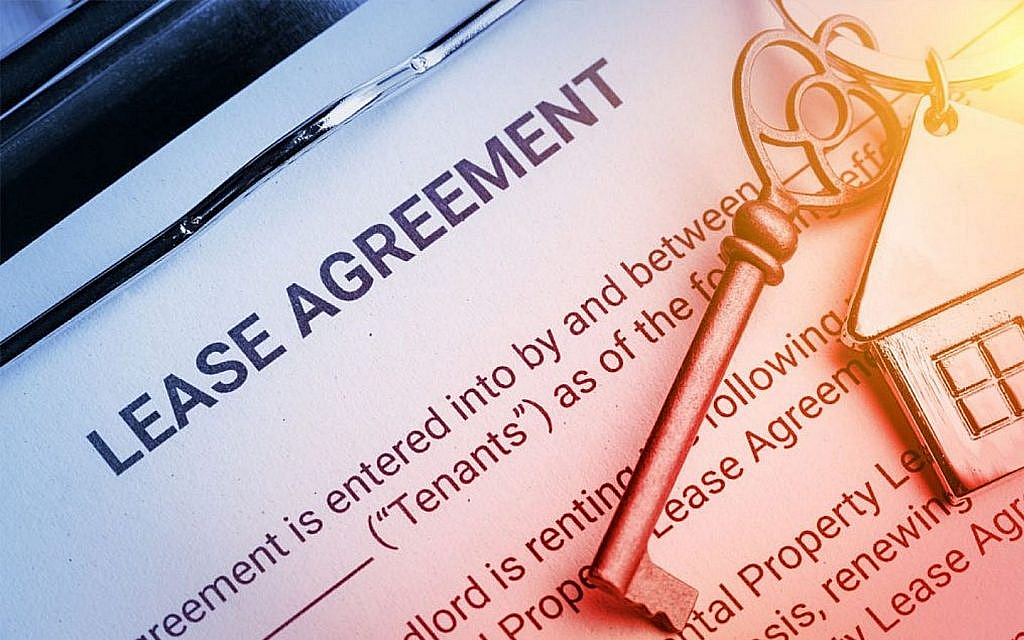
According to the law, a comprehensive lease agreement should be signed between tenant and landlord, when renting a property in Dubai. The lease agreement should feature information like purpose, duration, rental amount, payment methods and contact information.
The law also obligates landlords to register the lease contract with RERA Dubai.
Determination of Rent
It is necessary to mention the rental amount clearly in the agreement. In case, the amount is not mentioned, a Special Tribunal will set the rent as per market standards and RERA guidelines.
If you are troubled in deciding the rent, it is recommended to use the RERA rent calculator, set in accordance with the guidelines of authorities.

Rent Adjustment
Upon the expiration of the rental agreement, landlords will have the right to increase the rent. Moreover, any new conditions added to the agreement should be communicated at least 90 days before the expiration date.
Tenant Obligations and Landlord Responsibilities
The Law No. (33) of 2008 clearly instructs landlords to provide property in a liveable condition. It is legal to rent under-construction properties, but it should be mentioned in the agreement clearly. Moreover, the responsibility, date of completion and cost incurred should be discussed prior.
Conditions for Early Eviction
Landlords can evict tenants early, only on the basis of the following reasons.
- Enable to pay rent, even after receiving 30 days of notice
- Have subletted the property illegally
- Using property for illegal or immoral activities
- Abandoned property without any specific reason or period
- Conduct property modification that endangers structure or safety
- Violates planning guidelines or building rules and regulations
- Dubai Municipality declares property a collapse risk
- Enable to cater to the legal obligations
- Property is notified to be demolished or reconstructed by the official authorities

Re-leasing Restrictions
If the landlord has requested tenants to evict the property to occupy it or reconstruct it, the property can not be rented again. The landlord will be eligible to rent the property after 2 years (residential) and 3 years (commercial).
Articles of Law No. (33) 2008 in Dubai Explained
Following are some of the important articles of Law No. (33) of 2008 in Dubai.
Article (2)
Article (2) clearly defines the important terminologies used in the law. Here are some of the important terminologies defined by the article.
- Emirate: The Emirate of Dubai.
- Tribunal: The Special Tribunal to Determine Disputes between landlords and tenants.
- RERA: The Real Estate Regulatory Agency.
- Real Property: Immovable property and everything attached or annexed to it, that is leased for residential or commercial purposes.
- Lease Contract: A contract under which a landlord is bound to allow a tenant to use Real Property for a specific purpose, over a specific term and in return for specific consideration.
Article (3)
The Article (3) states that the Law No. (33) of 2008 will be applicable to all the real properties. However, properties rented free to employees are exempted from the law.
Article (4)
The relationship between landlord and tenant will be regulated by a lease agreement that must be registered with RERA. The agreement should clearly define the following terms.
- The purpose of the lease
- The term of the lease contract
- The rent
- Rental payment methods
- Name of the real property owner (If the landlord is not the owner)
Article (9)
According to Article (9), landlords and tenants must specify rent in the agreement. If they fail to prove the agreed rental amount, the Tribunal will decide the rent benchmarking similar real property. The rental increase by Tribunal will also consider:
- RERA guidelines on rent increases
- Economic conditions in Dubai
- Other relevant factors.
Article (13)
On lease renewal, the landlord and tenant can mutually decide the rent. In case of rental renewal disputes, the Tribunal will decide the rent as per regulations mentioned in Article (9).
Article (25)
The Article (25) of the Law No. (33) of 2008, clearly defines the conditions upon which a tenant can be evicted from the property, before or upon lease expiration. However, landlords have to provide a formal notice to tenants when evicting property for the below-mentioned reasons.
The tenant eviction conditions, unless otherwise agreed by both parties, are as follows.
- If the tenant does not pay rent on the agreed date, the landlord will provide them with a written notice and after 30 days of notice, the tenant will have to evict the property.
- If the tenant has sublet the property without the written consent of the landlord, both tenant and subtenant will have to evict.
- If the property is being used for illegal or immoral activities or for purposes not mentioned in the agreement, the landlord can evict the tenant.
- If the tenant makes any alteration or modification that affects the structural integrity of the building, they can get evicted by the landlord.
- If the authorities have declared the property a risk or have to demolish it, the tenants will have to immediately evict the property.
Upon lease expiration, the landlord can ask the tenant to evict the property only under the following circumstances.
- The landlord plans significant repairs or structural reconstruction, supported by proper permissions or municipal reports.
- The landlord or a first-degree relative, intends to personally occupy the property and the landlord has no alternative suitable property.
- The landlord intends to sell the property.
Article (26)
The Article (26) safeguards the rights of tenants, restricting landlords from illegal evictions. As per the law, the landlord is legally bound for not renting the property, if the reason for eviction was personal use. If the property is commercial, the landlord will have to wait for 3 years; whereas, it is 2 years for residential properties.
If the landlord violates this period restriction and leases the property to someone else, the previous tenant has the legal right to seek compensation through the Tribunal.
Article (29)
Article (29) defines the rights of tenants in case they are evicted for renovation or reconstruction of the property.
- If the property undergoes significant changes (demolition or reconstruction), the previous tenant has a priority right (first refusal) to lease the property again once ready.
- The tenant has only 30 days to respond and exercise their rights after being notified by the landlords. If a tenant does not respond within 30 days, landlords can rent the property to another tenant.
- The new rental amount for the reconstructed property will be set fairly, as per the regulations.
FAQs
What are the key differences between Law No. (26) of 2007 and Law No. (33) of 2008?
The core difference between Law No. (33) and Law No. (26) is the notice period for eviction.
How does the rent cap introduced by Law No. (33) of 2008 impact the rental market in Dubai?
The law establishes criteria through which rental increases can be determined, preventing arbitrary or excessively steep hikes.
How does Law No. (33) of 2008 protects tenants from arbitrary evictions
The law clearly defines eviction reasons, mandatory notice period and restricting re-leasing rights protecting tenants from arbitrary evictions.
This was all about Law No. (33) of 2008 in Dubai protecting the rights of tenants and landlords. The strict Dubai legal framework for the property market not only safeguards the rights but also increases transparency of the processes. All of these factors boost investors’ trust, leading to an upward trajectory of the market. If you are also interested in availing of this growing market, browse through these properties for sale in Dubai to find an ideal investment unit.
Besides the Law No. (33), here are some other RERA rules for tenants and landlords that you must be aware of.
Stay connected with dubizzle’s property blog to learn more about Dubai’s real estate market.