
Rent payment structures in Dubai differ from those in many global markets. Instead of monthly bank transfers, tenants provide post-dated cheques covering the entire tenancy period. While some landlords prefer a single cheque upfront, many tenants negotiate multiple cheque payments and doing so can offer several financial advantages.
Understanding multiple cheque payments for Dubai tenants is essential for managing housing costs efficiently. Many tenants choose this option because it spreads financial commitments across the year, making rent more manageable alongside other living expenses.
Understanding Rent Payment Practices in Dubai
In Dubai’s rental market, tenants may pay rent in one, two, four or sometimes six instalments through post-dated cheques. The number of cheques is not legally fixed but is determined through negotiation at the time of signing the tenancy contract registered with the Dubai Land Department. This flexibility allows tenants to structure rent payments to align with their income flow and financial planning.
Key Benefits of Multiple Cheque Payments for Tenants

Opting for instalment-based rent payments can significantly influence how comfortably tenants manage their finances throughout the year. Below are some of the main benefits of multiple cheques in Dubai.
Better Cash-Flow Management
One of the biggest advantages of multiple cheque payments is improved financial planning. Instead of paying a full year’s rent upfront, tenants can make quarterly or semi-annual payments. This helps manage monthly expenses, savings and investments more effectively. Financial flexibility is particularly useful for:

- New residents adjusting to relocation costs
- Maintaining emergency savings
- Families managing school fees and other annual expenses
- Professionals relying on bonuses or variable income
Reduced Upfront Financial Pressure
A single cheque payment often requires tenants to hold a substantial amount in their bank account. Multiple cheques allow tenants to allocate funds gradually, reducing the immediate strain on savings or emergency funds. This can help tenants avoid:
- Taking personal loans
- Liquidating investments prematurely
- Using credit facilities unnecessarily
Stronger Financial Flexibility

Life circumstances can change during a rental period, employment shifts, family needs or relocation opportunities may arise. While tenants remain contractually liable for rent, splitting payments gives them more room to adjust finances or plan transitions if needed.
Additionally, tenants can ensure their payment schedule aligns with their salary cycle or bonus payments for easier management.
Stronger Negotiation Leverage with Landlords
The number of cheques accepted often depends on how landlords assess tenant reliability. Stable income, good rental history and clear documentation can help tenants secure more flexible terms.
Dubai’s rental framework, overseen by the Real Estate Regulatory Agency, allows both parties to negotiate payment structures as long as the agreement is clearly documented in the tenancy contract.
Easier Alignment with Salary Cycles
Many employers in the UAE pay bonuses or annual increments at specific times of the year. Multiple cheque payments allow tenants to align rent instalments with these income cycles. For example:
- Quarterly payments matching bonus schedules
- Semi-annual payments aligned with salary reviews
- Instalments timed with school fee payments or other major expenses
Along with structuring payments in instalments, tenants should consider using these tips to negotiate a lower rent with their landlord to secure the best possible deal.
Possible Trade-Offs Tenants Should Consider
While multiple instalments provide flexibility, tenants should also understand the potential downsides.
Higher Rent in Some Cases
Landlords sometimes offer discounts for tenants paying in one cheque because it reduces risk and administrative effort.
Contractual Responsibility Remains
Even when rent is split into instalments, tenants remain liable for the full annual amount unless the contract includes a break clause.
Importance of Maintaining Funds
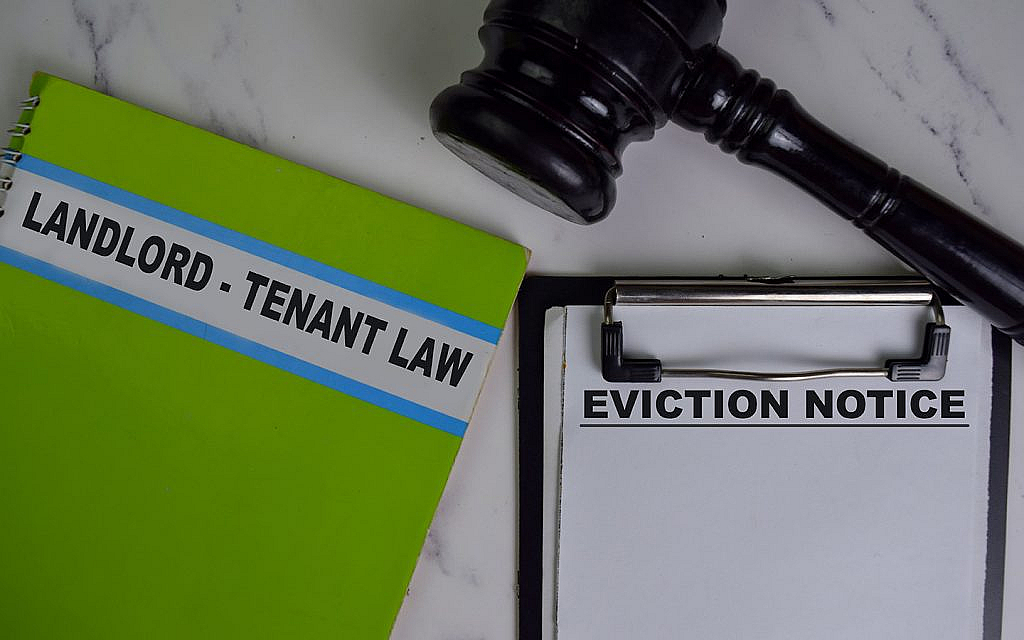
A bounced cheque can lead to legal consequences or eviction proceedings if rent remains unpaid. Therefore, tenants should only agree to instalments they can realistically pay.
FAQs
What are multiple cheque payments for rent in Dubai?
Multiple cheque payments mean the annual rent is split into several post-dated cheques instead of one lump-sum payment. These instalments are agreed in the tenancy contract and scheduled across the period.
How do multiple cheques benefit tenants in Dubai?
They reduce the upfront financial burden and help tenants manage cash flow throughout the year. Instalments also make it easier to align rent with salary timing or major expenses.
What happens if a rent cheque bounces in Dubai?
A bounced cheque can trigger a legal notice or a rental dispute case. As per bounced cheque laws in the UAE, continued non-payment may lead to penalties or eviction proceedings.
For many renters, multiple cheque payments are not just a convenience; they are a financial planning tool. Spreading rent across instalments helps tenants manage cash flow, reduce upfront strain and align payments with income cycles. When renting a property in Dubai, negotiating the number of rent cheques can be just as important as negotiating the rental price itself.
For more expert tips, market updates and rental guides, stay tuned to the UAE’s top property blog.
![Every home has a story. Every story has a next step.
From your first key to the place you’ve always dreamed of, dubizzle Property is there for every move along the way.
Find your next moment with dubizzle Property .
لكل بيت حكاية، ولكل حكاية خطوة جديدة.
من البدايات الأولى إلى اللحظات التي تحلم بها، دوبيزل للعقارات تساعدك في العثور على المكان الذي يناسب كل مرحلة من حياتك.
اعثر على مكانك القادم مع دوبيزل للعقارات.
[dubai property, dubai real estate, dubai apartments, finding a home in dubai, dream home dubai, property in dubai, uae real estate, dubizzle property, dubai homes, luxury properties dubai]](https://www.dubizzle.com/blog/property/wp-content/plugins/instagram-feed/img/placeholder.png)