
Rent negotiation is a normal part of the UAE rental market, especially when it’s time for renewal. Whether you’re renting in Dubai, Abu Dhabi or other emirates, understanding the rental market dynamics and knowing how to communicate effectively with your landlord can help you reduce your rental costs over the lease term. By following the right steps, many tenants successfully secure lower rents or additional benefits that reduce their overall costs.
Effective Tips to Negotiate a Lower Rent With Your Landlord
These practical tips are tailored for UAE tenants who want to negotiate a lower rent confidently and secure a better rental deal.
Understand the Legal Notice Periods in the UAE
The UAE has clear regulations regarding notices for rent changes. Landlords must give at least 90 days’ written notice before increasing rent or changing contract terms. If this notice is not given, the existing contract is typically renewed under the same conditions. Understanding RERA’s rental regulations gives you confidence when negotiating, as you will know exactly what is legally allowed.
Do Your Homework: Research the Market
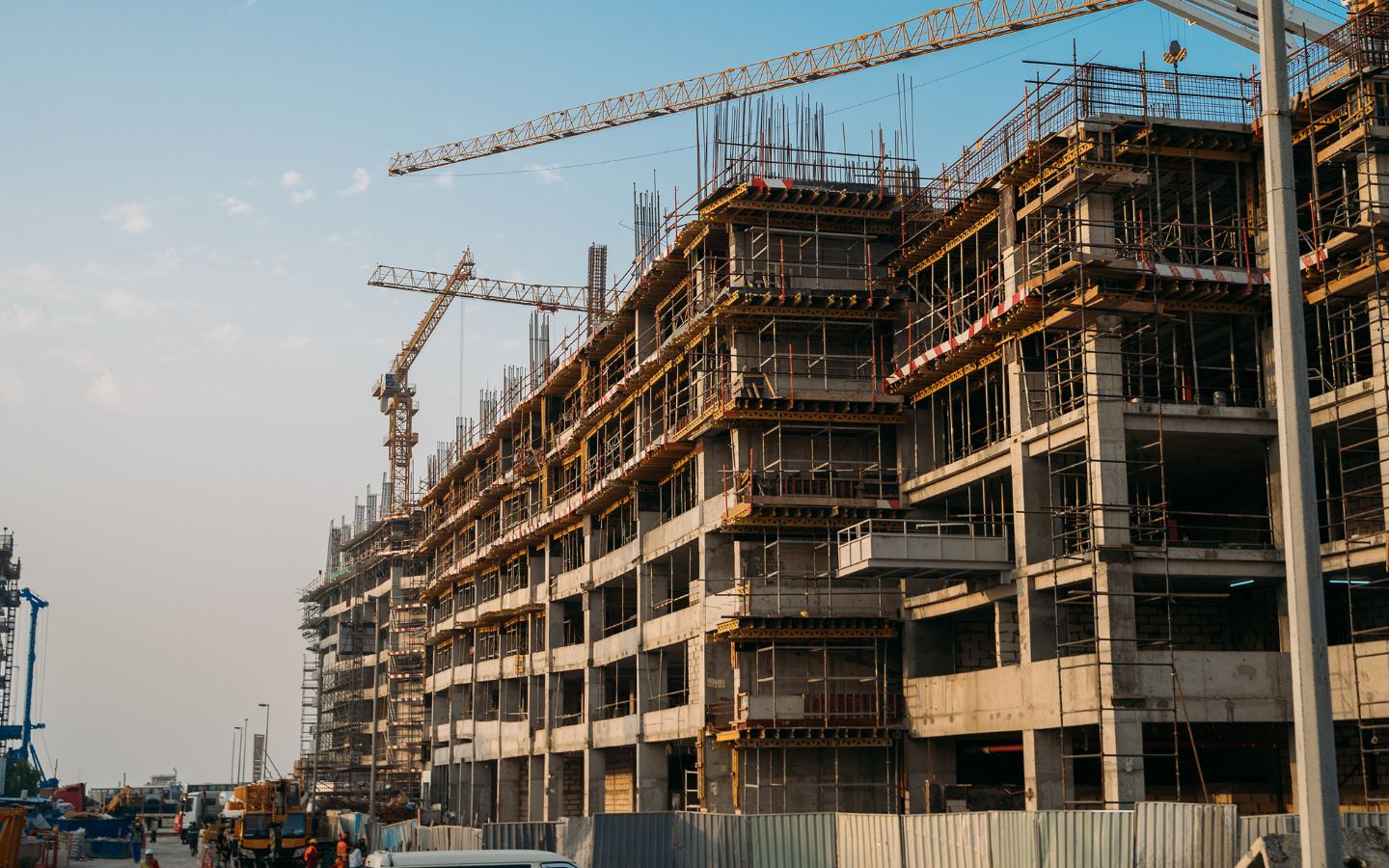
Before even approaching your landlord, spend some time researching the current rental prices in your area. Look at listings on popular UAE property portals such as dubizzle to compare similar properties by size, location and amenities. Keep screenshots or printouts of these listings to support your request for a rent reduction. Being informed about market trends shows the landlord you are serious and know the fair price range, increasing your chances of success.
Use the RERA Rental Index if You’re in Dubai
As a tenant, you should always check the Smart Rental Index before negotiating. This tool gives an official benchmark for each area’s rent, helping tenants understand whether their landlord can legally increase the rent and by how much. If the index shows that your current rent is already at or above the typical range, it gives you strong leverage to request a reduction or at least prevent an increase.

Choose the Right Time to Make Your Request
Timing plays a crucial role in rent negotiation. The best moment to approach your landlord is typically 60 to 90 days before your contract renewal, as this is the legal notice period for rent changes in most emirates. You also have a higher chance of success if the building has vacant units or if the rental market is experiencing lower demand. Additionally, negotiation becomes easier when significant maintenance work is pending or when the landlord is eager to retain long-term tenants.
Highlight Your Value as a Reliable Tenant
Landlords prefer stable, respectful and responsible tenants. When negotiating, politely highlight your strengths, such as paying rent on time, taking care of the unit and maintaining a good relationship with neighbours and building management. If you have lived in the property for several years without causing any issues, this becomes even stronger leverage.
Aim for a Win–Win Negotiation Outcome
If your landlord is hesitant to reduce the rent, consider negotiating other parts of your contract that can still reduce your yearly expenses. Many landlords agree to flexible payment terms, such as spreading payments over more cheques or extending the payment schedule. Others may offer one-month free rent, free annual maintenance or minor upgrades like painting, new appliances or improved fixtures.
Be Polite, Constructive and Realistic
Approach the negotiation with respect and a collaborative mindset. Avoid ultimatums or aggressive demands, which may damage the relationship. Set realistic expectations based on market research and be prepared for a yes, maybe or no.
Use a Formal Rent Reduction Letter

After verbal discussions, formalise your request in a polite and professional rent reduction letter. This letter should clearly state your reasons, provide supporting evidence and propose a fair adjusted rent. A written record keeps communication transparent and can be referred back to if needed.
Consider Offering Minor Repairs
If your rental unit requires minor upgrades or repairs, consider proposing to handle these at your expense in exchange for lowering rent in Dubai. Landlords often appreciate tenants who take the initiative to maintain the property and reduce their burden.
Consider Negotiating a Longer-Term Lease
Proposing a two-year contract can be a strong bargaining tool, especially in competitive areas. A long-term lease gives landlords security, reduces turnover costs and guarantees continuous income. In return, many are willing to offer a discounted annual rent or improved payment terms. If you plan to stay in the area for a while, a longer-term commitment can be mutually beneficial and lead to meaningful savings.
FAQs
How do I ask my landlord for a rent reduction in the UAE?
Communicate respectfully, present market comparisons, emphasise your track record as a good tenant and propose a reasonable new rent or alternative benefits.
What factors can help me negotiate lower rent with my landlord in the UAE?
Factors include market rent trends, vacancy rates, your tenancy history, existing maintenance issues and the option of a longer lease.
Can my landlord refuse a rent reduction in the UAE?
Yes, landlords can refuse, especially if your current rent is within legal limits or market standards.
Negotiating a lower rent in the UAE requires preparation, timing and clear communication. By researching the market and presenting a well-supported request, you can explore reductions or incentives that make your tenancy more manageable. These strategies can help tenants across the UAE make informed rental decisions. Also, check the rental trend on the RERA rent calculator to support your request.
If your landlord cannot agree to a lower rent, it’s important to have alternatives ready. Explore nearby communities or these properties for rent in the UAE to understand your options.
Stay tuned to the dubizzle’s real estate blog to learn more about renting, buying and getting the best deals on properties across the country.
![Every home has a story. Every story has a next step.
From your first key to the place you’ve always dreamed of, dubizzle Property is there for every move along the way.
Find your next moment with dubizzle Property .
لكل بيت حكاية، ولكل حكاية خطوة جديدة.
من البدايات الأولى إلى اللحظات التي تحلم بها، دوبيزل للعقارات تساعدك في العثور على المكان الذي يناسب كل مرحلة من حياتك.
اعثر على مكانك القادم مع دوبيزل للعقارات.
[dubai property, dubai real estate, dubai apartments, finding a home in dubai, dream home dubai, property in dubai, uae real estate, dubizzle property, dubai homes, luxury properties dubai]](https://www.dubizzle.com/blog/property/wp-content/plugins/instagram-feed/img/placeholder.png)