
- Laws and Regulations
- Tenants Responsibilities
- Consequences
- Reasons for Restriction
- Alternate Options
- FAQs
Certain regulations help streamline Dubai’s rental property market. These laws protect the rights of both tenants and landlords and help minimise conflicts. One common concern is whether landlords restrict tenants from making modifications, such as drilling holes in the walls of rented apartments. While many tenants wish to personalise their living space, landlords often have rules to ensure the property remains in good condition.
Understanding the legal framework surrounding such modifications is crucial for tenants to avoid disputes. Let’s learn if landlords can stop tenants from drilling holes and what the consequences are.
Laws About Drilling Holes in Dubai’s Rented Apartments
Renting an apartment in Dubai comes with responsibilities and guidelines both for the tenant and the landlord. Regarding the tenant responsibility for wall holes, Article 19 of Law No. 26 of 2007, later amended by Law No. 33 of 2008, outlines the essentials.
According to these laws, landlords must provide a rental property in Dubai in good condition and tenants must maintain it during their occupancy. More importantly, tenants must return the property in the same condition as when they moved in, barring normal wear and tear.
This clause often forms the basis for prohibiting tenants from modifying the property without explicit permission. They can make the changes such as drilling holes to hang pictures or curtains as stated in the lease agreement. However, landlords can stop tenants from drilling holes in the walls if it damages the property structure.
What happens if a tenant makes holes in walls?
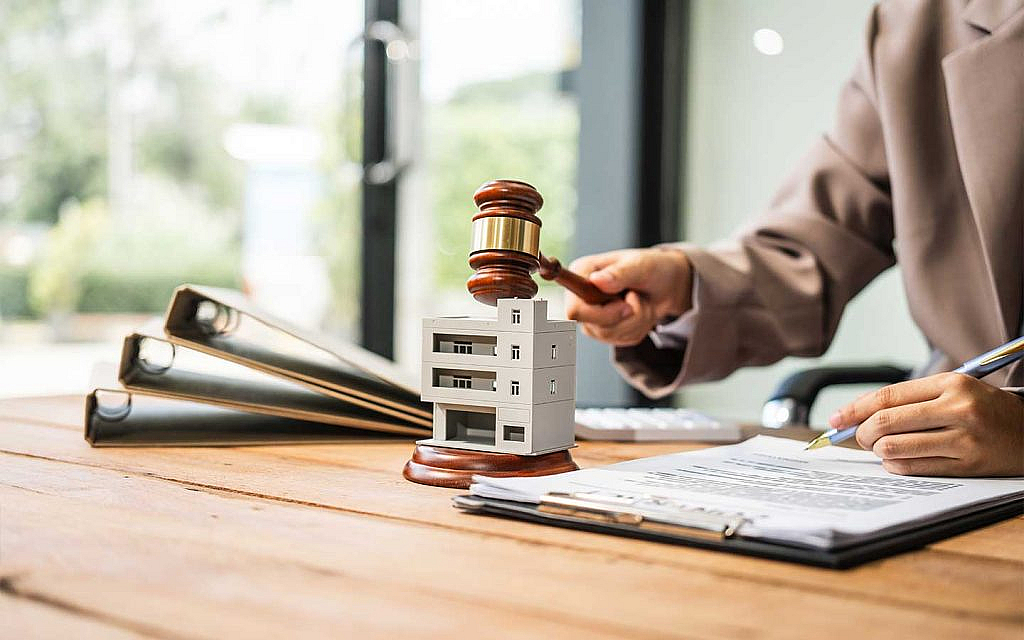
While many landlords may have blanket rules against drilling holes, it doesn’t mean tenants have no flexibility to personalise their space. When it comes to tenant rights to make holes in apartment walls, landlords may allow modifications if they seek permission first. For that, they need to obtain written consent from the landlord before making any changes. It helps avoid disputes and fosters a healthy landlord-tenant relationship.
When requesting permission, tenants should clearly outline the modifications they wish to make. It can include the number of holes to drill and the purpose. Some landlords may agree to such requests, especially if the tenant agrees to restore the property to its original state before moving out. Others might have specific conditions, such as limiting the number.

Consequences of Unauthorised Modifications
Landlord permission for apartment wall holes is mandatory. If a tenant makes other alterations without the landlord’s approval, they may face consequences, especially when it comes time to move out. Some of the possible outcomes include:
Loss of Security Deposit
Landlords usually request a security deposit at the start of the tenancy to cover any potential damage to the property. If holes are drilled without permission, the cost of repairs could be deducted from this deposit.
Repair Costs
In some cases, landlords may charge tenants separately for any damage caused. It can happen if the cost exceeds the value of the security deposit. This could include repainting walls, fixing damaged surfaces or hiring a contractor to restore the apartment.
Legal Disputes
If the damage is significant, it can lead to property maintenance disputes in Dubai. Although such cases are relatively rare, they can occur if tenants refuse to pay for repairs or if the damage is substantial.
Why Landlords Prohibit Drilling Holes in Rented Apartments
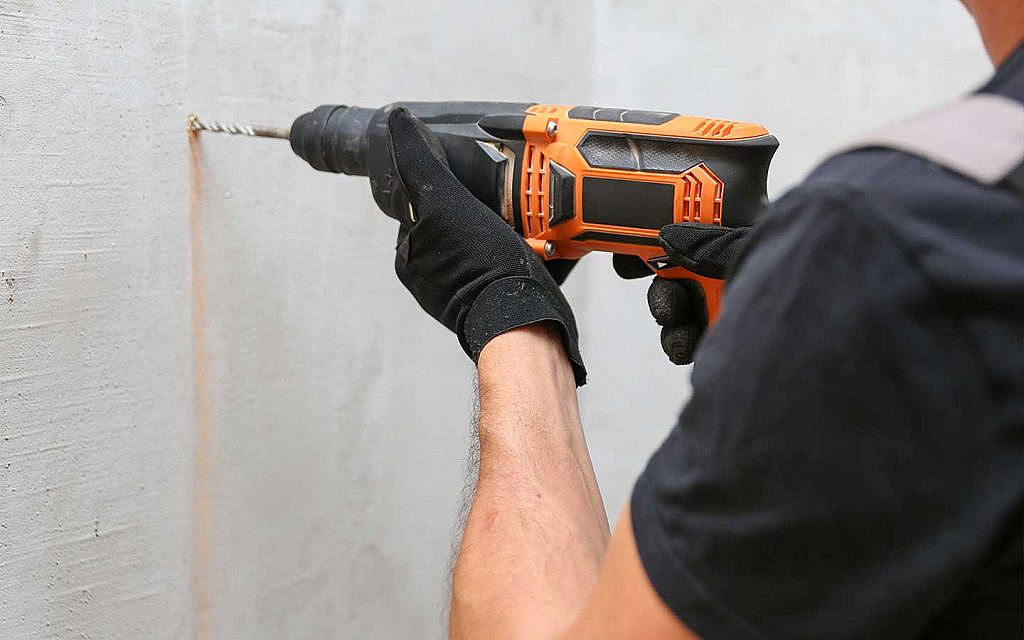
Landlords often prohibit tenants from drilling holes in the walls for several reasons. Some of them are as follows.
Property Damage
Drilling holes, particularly in modern apartments with drywall or tiled surfaces. They can cause damage that is costly to repair. Moreover, walls may crack, or the structural integrity of the property might be compromised. If the damage is excessive, a landlord can issue a tenancy eviction notice in Dubai.
Restoration Costs
After a tenant vacates the property, landlords are responsible for preparing the apartment for the next tenant. If the walls are damaged or altered, landlords may need to hire contractors to restore the property to its original condition. To avoid these additional costs, landlords can stop tenants from drilling holes in rented flats.
Uniformity of Apartments
In many cases, landlords own different types of apartments within a building or complex. Maintaining uniformity across all units is important to preserve the overall aesthetics of the building. Modifications made by tenants, such as hanging large pieces of art or installing shelves, can disrupt this uniformity.
Impact on Future Tenants
Holes drilled into walls can affect the experience of future tenants. The future prospects may not wish to have pre-drilled walls or lighting fixtures. For that, landlords can stop tenants from drilling holes to keep the apartment as close to its original condition as possible.
Other Options Instead of Drilling Holes in Walls
For those tenants who want to customise their apartments without drilling holes, there are several alternatives. These options allow for decoration and functional use of wall space.
Tension Rods
For hanging different home curtains, tension rods can be used in place of drilling hooks or nails into the walls. These rods are adjustable and easy to install.
Adhesive Choices
Many tenants opt for adhesive hooks or strips that can hold lightweight artwork or pictures. These can be removed easily without causing any damage to the walls.
Decor Pieces and Shelves
Freestanding shelving units provide storage without the need for drilling. On the other hand, tenants can also use art frames or decorate their homes with mirrors. It will help add style without causing any damage to the apartment.
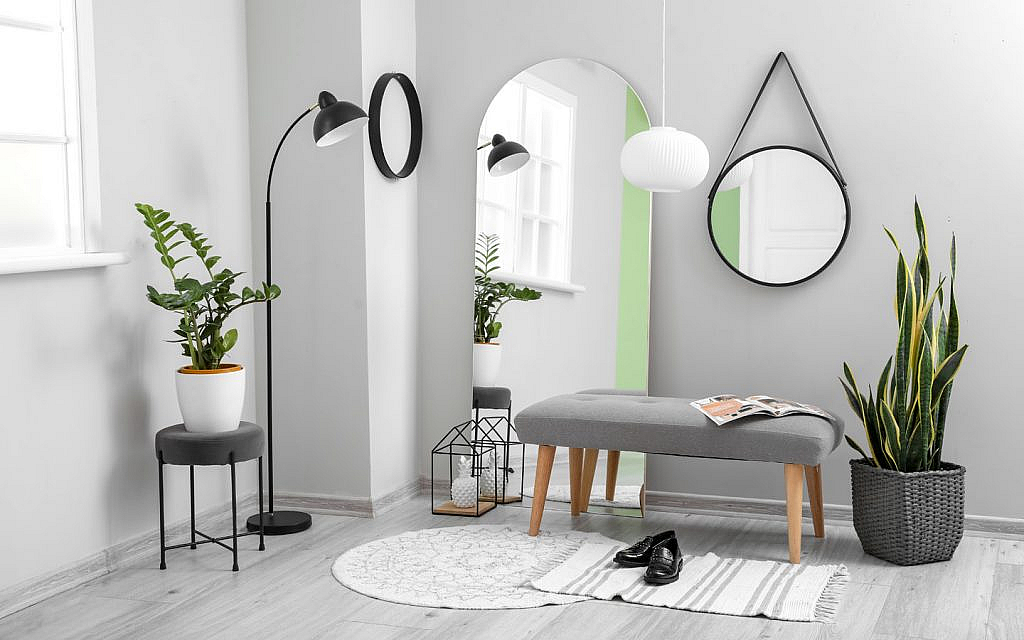
Regardless of the alternative, it is important to be mindful of the tenant’s responsibility for wall holes. When moving out, make sure to fill in the drill holes. It can be done by filling in sand or re-touching the wall paint.
FAQs
Can you put holes in your apartment walls in Dubai?
If the landlord approves it, tenants make modifications to the rented apartment. However, the landlord can stop tenants from drilling holes if it damages the property.
Do tenants have to repaint walls in Dubai?
In Dubai, tenants aren’t obligated to repaint walls unless it’s explicitly mentioned in the tenancy agreement. The case for property maintenance by landlords or tenants differs for each agreement.
Can tenants hang pictures without landlord approval in Dubai?
Both parties must be mindful of the tenants’ and landlords’ rights in Dubai. If landlords stop tenants from drilling holes, they must not do it.
That is all on whether landlords can stop tenants from drilling holes. Whenever renting in the megacity, all the tenants must adhere to the rental regulations to avoid any penalties and inconveniences. Moreover, here is a detailed guide on renting in Dubai which has all the intricacies, from documentation to legalities.
To learn more about landlords’ rights in Dubai, keep reading dubizzle’s property blog.