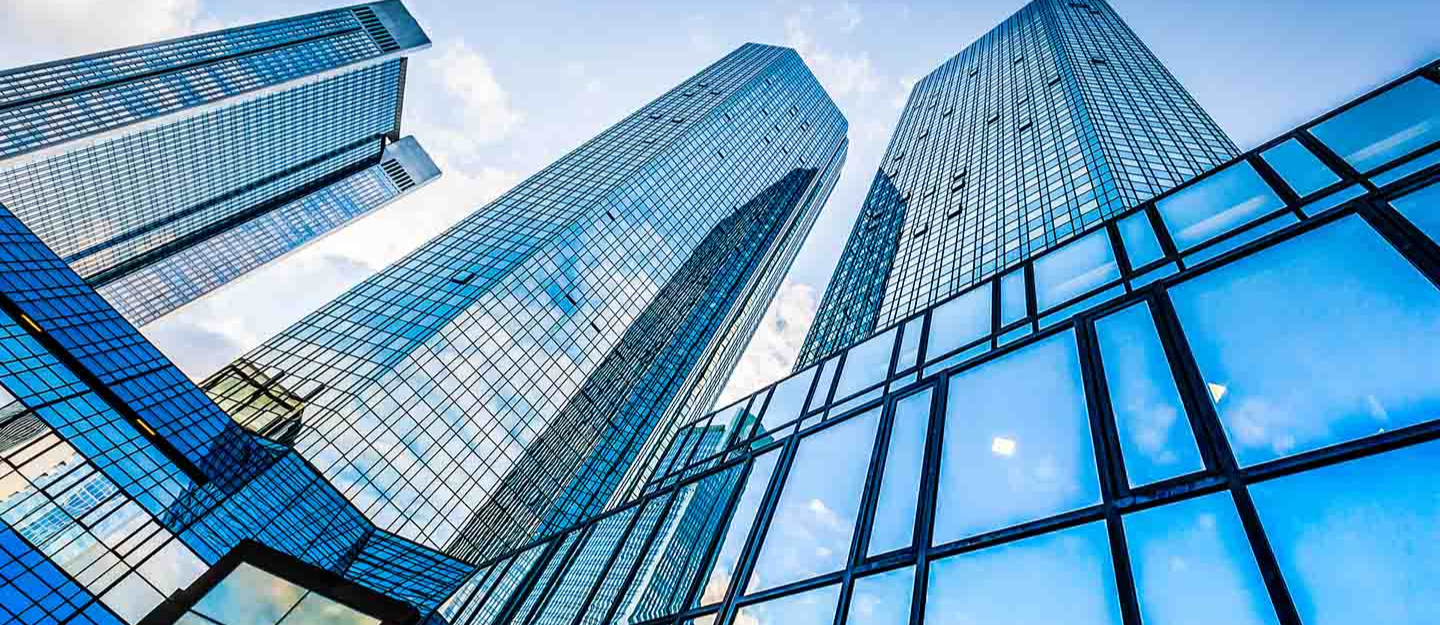
The value of a commercial property is shaped by multiple factors that go beyond structural features. From the condition and age of a building to its accessibility and surrounding infrastructure, every aspect plays a crucial role in determining its worth. In today’s competitive real estate landscape, a comprehensive evaluation of these elements helps identify opportunities, forecast market trends and maximise long-term property value.
What determines commercial real estate value?
Important factors affecting commercial property value include:
Location and Accessibility
Location remains the cornerstone of property valuation. A commercial asset in a prime business district, near a transport hub, or within a high-traffic retail area attracts greater tenant demand and achieves higher market prices. Moreover, accessibility is equally important. This is why properties that are easy to reach by road, metro, or foot traffic have a competitive advantage.
For both commercial and residential properties, proximity to amenities such as restaurants, banks and retail outlets contributes to convenience and desirability. Thanks to improved connectivity, areas undergoing infrastructure upgrades or urban regeneration often see a steady increase in property value.
Curb Appeal and First Impressions
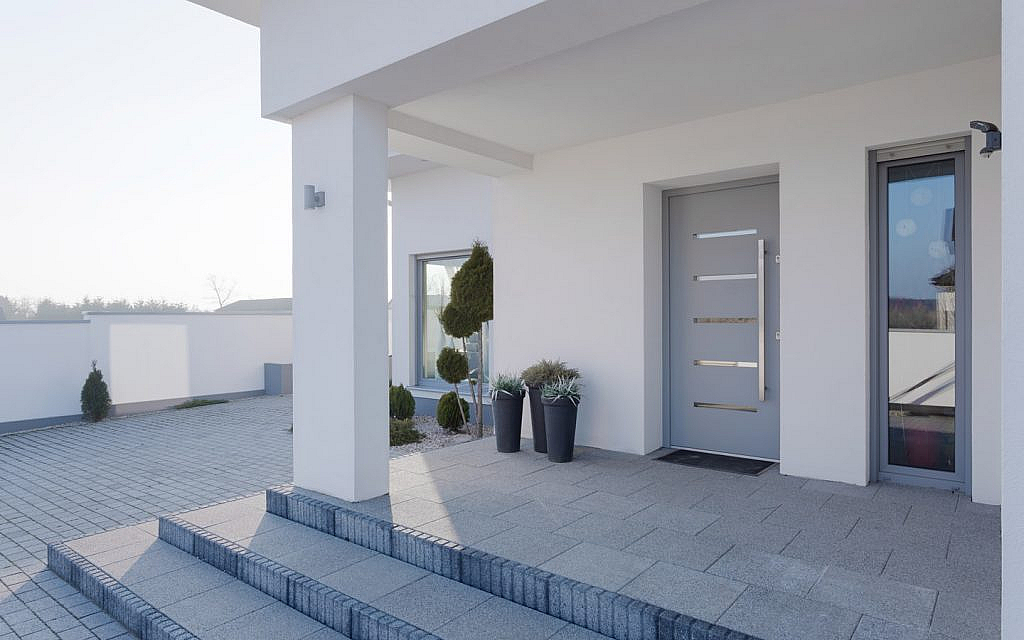
Curb appeal is one of the most crucial commercial property valuation factors. The exterior presentation, including landscaping and lawn maintenance, lighting and signage, influences first impressions for potential tenants or buyers. A clean, professional and visually appealing exterior signals proper management and care, whereas neglected exteriors may deter interest.
Investing in well-maintained entrances, clear branding and modern aesthetics can substantially improve a building’s attractiveness and rental potential. In a competitive market, improving curb appeal is a differentiating factor between similar properties.
Property Condition and Age
The physical condition and age of commercial buildings are direct indicators of their market value. Modern, well-maintained structures command higher prices and attract premium tenants, while older properties with outdated systems may require costly upgrades. Buyers and investors usually assess the maintenance of HVAC systems, roofing, electrical wiring, plumbing and safety compliance.

Regular maintenance and timely renovations not only preserve asset value but also reduce long-term operational costs. Moreover, sustainable or energy-efficient features, such as solar panels or water-saving systems, help enhance the commercial property value in a market increasingly focused on environmental responsibility.
Economic Conditions
The UAE’s commercial real estate market conditions play a major role in shaping property values. When business and tourism thrive, demand for offices and retail spaces increases, driving prices up. During slower periods, vacancies may rise and rent may decline. Monitoring factors like interest rates and employment helps investors make informed decisions and adapt to market changes.
Supply and Demand Trends
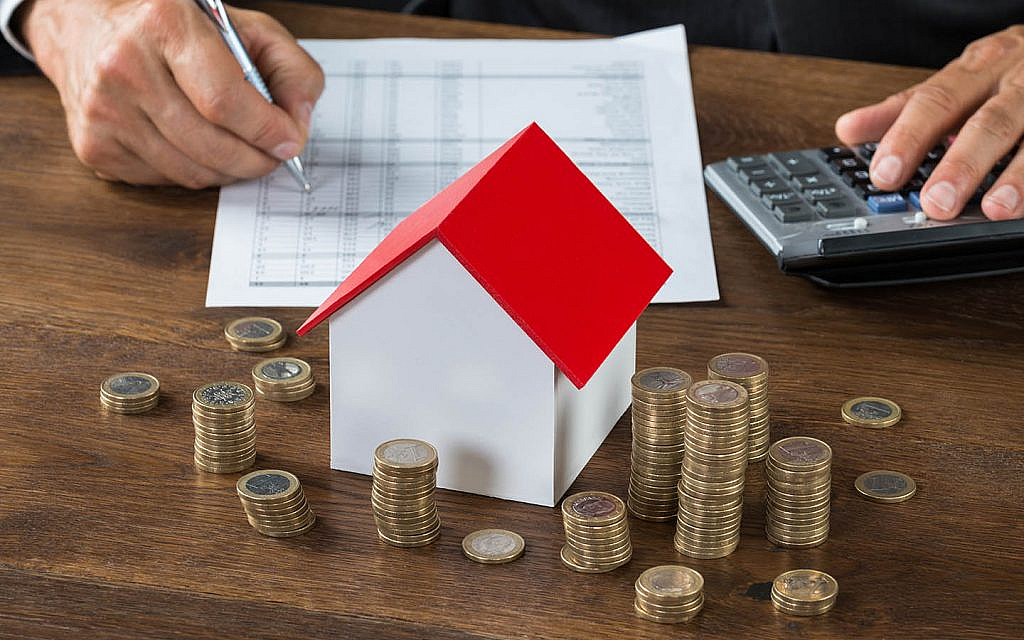
In the UAE, commercial property values depend greatly on supply and demand. When demand is high and supply is limited, prices rise, but an oversupply can lower rent. Growing e-commerce and flexible work trends have increased demand for warehouses while reducing the need for traditional offices.
Tenant Quality and Lease Structure
Tenant reliability is one of the major factors affecting commercial property value. A building leased to long-term tenants provides a consistent income stream and lower risk, increasing its attractiveness to investors. In contrast, properties with unstable or short-term tenancies may face valuation challenges.
Lease terms also influence value. Agreements that include annual rent escalations, renewal options and maintenance responsibilities add financial security. A property occupied by a well-established corporation is often appraised higher than one with multiple small, short-term tenants.
Functionality of Interior Spaces
While external appeal is crucial, the interior condition of a commercial property holds equal importance. This also holds true for residential properties. Clean, well-lit and efficiently designed spaces contribute to tenant satisfaction and retention. Modern layouts that support productivity and flexibility can also enhance long-term value.
Features such as high-speed elevators, modern restrooms, energy-efficient lighting and contemporary finishes elevate the property’s profile. An eclectic Interior design not only reflects quality but also influences how potential tenants perceive value for money.

Zoning Laws and Legal Compliance
Government policies and zoning laws in the UAE are one of the key commercial property value drivers. Areas that allow multiple business uses, such as retail or mixed-use developments, tend to attract more investors and achieve higher returns. On the other hand, restrictive regulations or unresolved legal matters can limit opportunities and reduce value.
Infrastructure and Surrounding Development
Infrastructure quality and nearby development activity are key external factors affecting value. Properties located near UAE highways, metro lines, airports or major commercial hubs are generally preferred.
New developments like business parks, residential areas and shopping centres can boost commercial property value by increasing activity and attracting more visitors. However, too many projects in the same area can create oversupply and slow down demand; investors should assess both short-term and long-term market potential before investing.
Environmental and External Factors
External environmental conditions are also among the factors affecting commercial property value and significantly affect market performance. Factors such as air quality, surrounding cleanliness and neighbourhood safety influence investor and tenant decisions.
Energy-efficient commercial buildings that adhere to environmental sustainability standards attract eco-conscious tenants and enjoy long-term appreciation. In contrast, assets located in areas prone to pollution, noise, or natural hazards may see lower demand and value depreciation over time.
Rental Income and Capitalisation Rate
A commercial property’s value largely depends on its earning potential. Investors measure profitability through rental income and the capitalisation rate, which is the net income divided by the property’s price. Properties with steady rental returns and few vacancies usually have higher value, though higher cap rates can also mean higher risk. Finding a balance between income and market stability is key to smart investment decisions.
FAQs
Can repairs and maintenance significantly change a property’s value?
Yes, regular repairs and quick maintenance fixes enhance a property’s value by improving its condition, appeal and longevity.
How do interest rates impact the value of commercial real estate?
Higher interest rates can lower commercial property values by increasing borrowing costs, while lower rates often boost demand and drive prices up.
How does the location of a commercial property affect its value?
A prime location with easy access, high visibility and nearby amenities can increase a commercial property’s value and demand.
These were some important factors affecting commercial property value. From location to supply and demand, these elements play a significant role in determining the worth of commercial real estate.
Furthermore, if you are planning to buy a commercial property in the UAE, it is important to keep these factors in mind. Doing so will help you make an informed decision and will allow you to make the most of your investment.
On the other hand, if you are looking for residential investment options, consider these properties for sale in the UAE, offering several options.
To learn more property investment tips and tricks, keep reading dubizzle’s real estate blog.