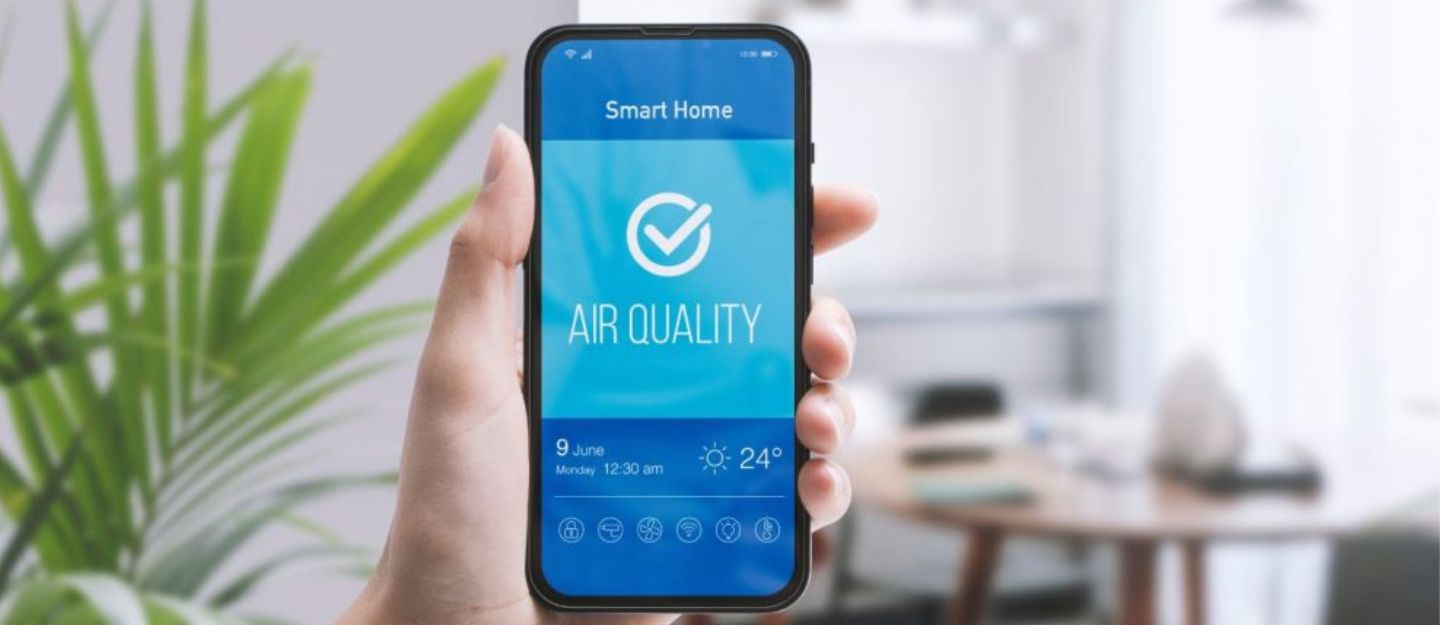
Air conditioning is not a seasonal luxury in the UAE; it is part of daily life. Whether you live in an apartment, townhouse or villa, AC systems often operate for most of the year to maintain indoor comfort. However, while homeowners focus on cooling performance, one important component often gets overlooked: the AC filter.
A dirty AC filter does more than reduce cooling efficiency. It can also affect the quality of the air circulating indoors, influencing comfort, cleanliness and even the indoor environment you live in. Understanding how dirty AC filters affect indoor air quality can help homeowners maintain cleaner indoor spaces, improve airflow efficiency and create a more comfortable living environment.
Why Indoor Air Quality Matters
Indoor Air Quality (IAQ) refers to the condition of air inside buildings and enclosed spaces. It includes factors such as airborne particles, ventilation, humidity and pollutants that may affect the indoor environment.
Maintaining good indoor air quality is especially important in the UAE because residents spend a significant amount of time indoors with air conditioning running for extended periods. Dust exposure, hot weather and closed indoor environments mean that indoor air is often recirculated repeatedly through the AC system.
However, when the AC filters are maintained properly, they help support cleaner living spaces.
How Dirty AC Filters Affect Indoor Air Quality
Air conditioners continuously circulate air throughout your home, making filter condition an important factor in improving indoor air quality. When filters become clogged with dust and airborne particles, they may struggle to trap contaminants effectively, which can affect airflow, air cleanliness and overall indoor comfort.
Here are some of the ways dirty AC filters affect indoor air quality:

Increased Recirculation of Dust and Pollutants
When AC filters become clogged, they can no longer trap airborne particles effectively. Instead of capturing dust, the system allows these contaminants to keep circulating throughout indoor spaces. This leads to increased exposure to:
- Fine dust particles
- Sand and desert debris
- Household dust
- Pet dander
- Airborne pollutants
Reduced Airflow and Cooling Efficiency
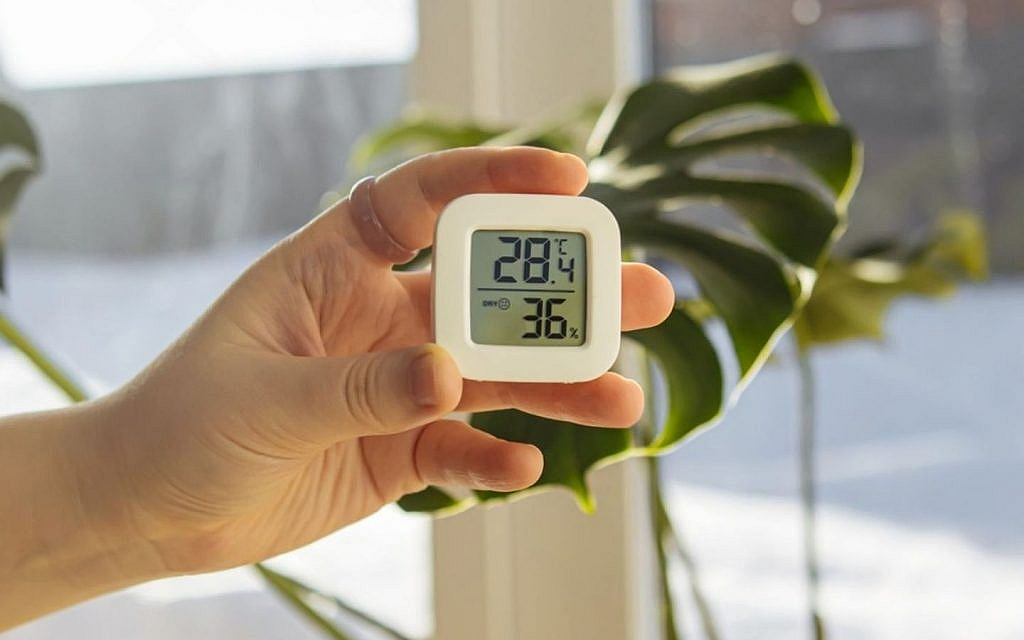
A dirty AC filter restricts airflow, making it harder for the system to push cool air into rooms. This results in reduced performance and uneven cooling across the home. Homeowners may notice:
- Weak airflow from vents
- Longer cooling times
- Hot and cold spots in rooms
- Increased AC usage
Over time, restricted airflow can also reduce overall system efficiency.
Increased Risk of Allergens in the Air
AC filters with dirt and dust allow allergens to remain in circulation instead of trapping them effectively. This can affect indoor air quality, especially for people with allergies. Common airborne allergens include:
- Pollen
- Dust mites
- Pet dander
- Fine particulate matter
Prolonged exposure may lead to discomfort such as sneezing, irritation or respiratory sensitivity.
Poor Indoor Air Freshness
As filters accumulate dirt and debris, indoor air quality may begin to feel noticeably different. You may notice a stale or heavy feeling in the air when filters are overdue for cleaning. Common signs include:
- Musty or bad odours when the AC starts
- Less ventilation
This often indicates that the AC system is circulating unfiltered or poorly filtered air.
Higher Moisture Build-Up Inside the System
When airflow is restricted, condensation can accumulate inside the AC system. This can affect both the system environment and indoor air conditions. In humid or coastal areas, this issue may become more noticeable and can contribute to reduced indoor freshness if not addressed.
Spread of Bacteria and Mould
A dirty AC filter can trap moisture, dust and organic particles, creating a suitable environment for microbial growth. Over time, this may allow bacteria and mould to develop within the system and circulate through indoor air.
However, regular AC filter cleaning or replacement helps reduce the risk of microbial buildup and supports a healthier indoor environment.
Increased Strain on the AC System
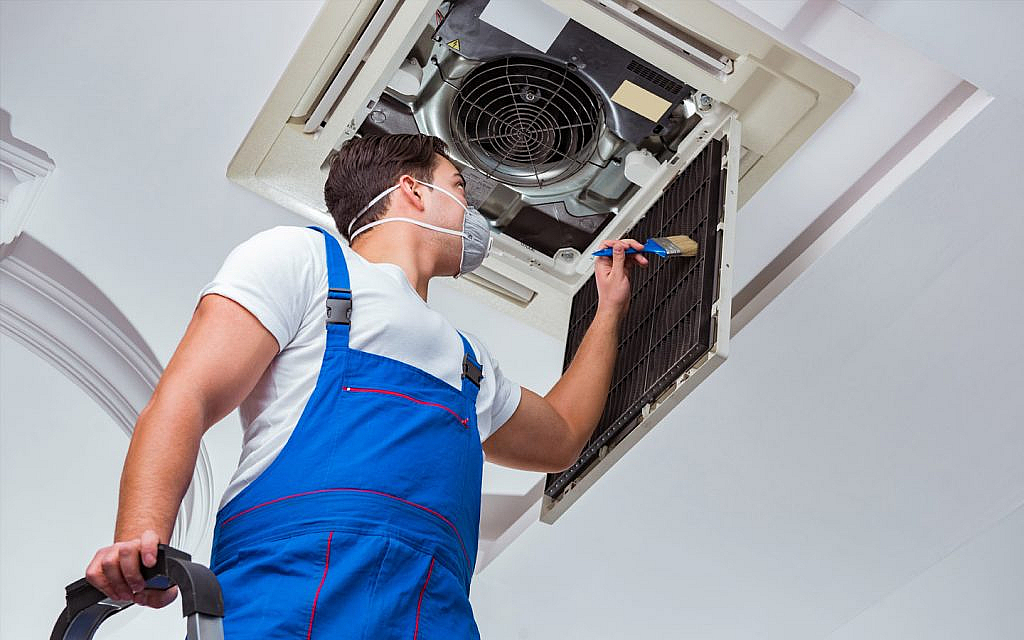
A clogged filter forces the AC unit to work harder to maintain cooling levels. This not only affects air quality but also system performance. Possible effects include:
- Higher energy consumption
- Increased wear on components
- Shorter system lifespan over time
- Poor cooling efficiency
Tips to Improve Indoor Air Quality Through AC Maintenance
Regular care not only improves cooling efficiency but also helps reduce dust, allergens and pollutants circulating indoors.
Here are some practical tips to improve indoor air quality through AC maintenance:
- Clean or replace AC filters regularly to prevent dust build-up and maintain proper airflow.
- Schedule professional AC servicing at least once or twice a year to ensure internal components are clean and functioning efficiently.
- Keep air vents and ducts clean and unobstructed to allow smooth air circulation throughout the home.
- Control humidity levels to reduce the risk of moisture-related issues inside the system.
- Use appropriate filters and AC types recommended by the manufacturer for better particle capture without restricting airflow.
- Avoid blocking return air vents so the AC can pull in and filter air effectively.
Filter cleaning is just one part of overall system care; keeping the entire HVAC system in good condition is equally important for long-term comfort and efficiency.
FAQs
Do clogged AC filters contribute to mould growth?
Clogged filters can restrict airflow and create moisture build-up inside the AC system. This damp environment may encourage mould growth over time, especially if the unit is not cleaned regularly.
Can bacteria spread through an air conditioner with a dirty filter?
Yes, if bacteria develop in dust or moisture trapped within the system, airflow can circulate these microorganisms throughout indoor spaces, potentially affecting air quality.
How often should AC filters be cleaned or replaced during summer?
In UAE summer conditions, AC filters should ideally be checked every 2–4 weeks and cleaned or replaced as needed.
Can poor AC maintenance affect respiratory health?
Yes. Poor maintenance can increase dust, allergens and possibly microbial particles in indoor air, which may contribute to respiratory irritation.
Understanding how dirty AC filters affect indoor air quality is essential for maintaining a healthy and comfortable home. From increased dust circulation and reduced cooling efficiency to potential allergen build-up and unpleasant odours, a neglected filter can impact both your comfort and wellbeing.
If you are exploring homes that already offer well-maintained cooling systems and comfortable indoor environments, you can browse a wide range of properties for rent in the UAE and find a home that suits your lifestyle needs.
Stay tuned to dubizzle’s property blog for more tips on maintaining a healthy home.