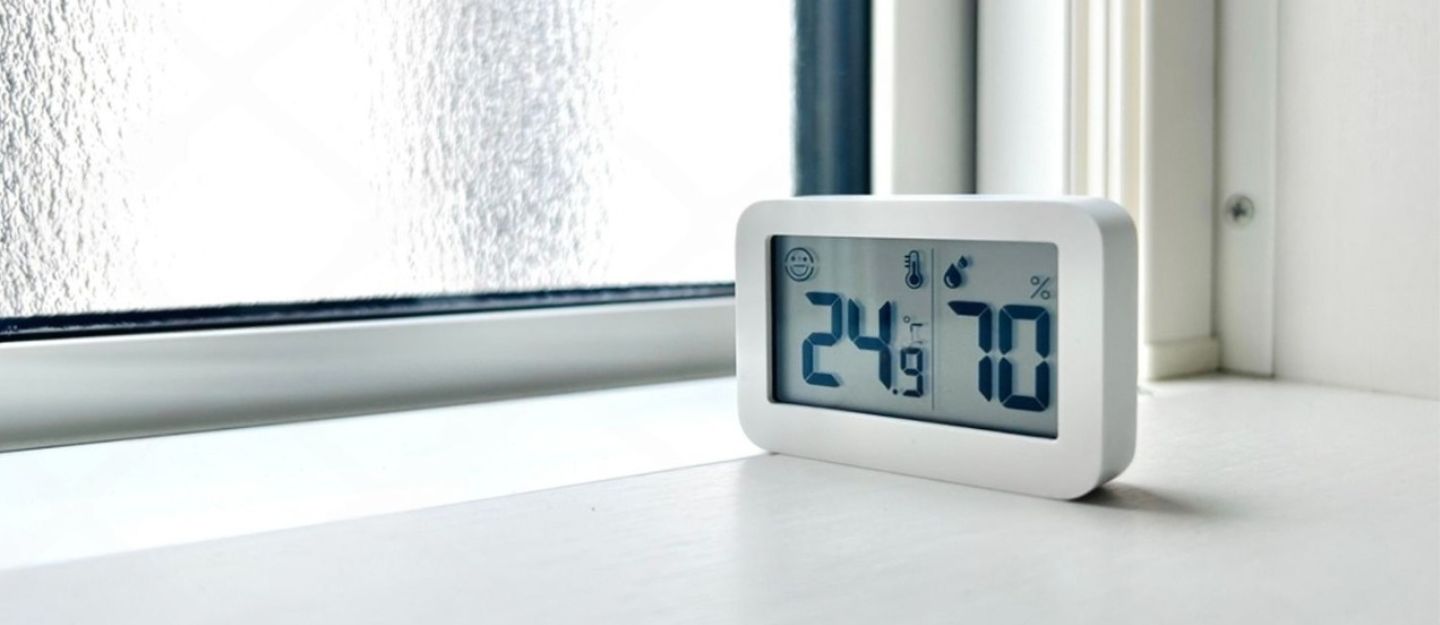
High humidity is a common issue throughout the UAE, especially during summer. It can make indoor spaces feel warmer and uncomfortable. Excess moisture may also affect furniture, walls and overall air quality. Understanding how to manage humidity helps maintain a comfortable living environment and protect your home from potential damage caused by damp air.
How to Control Home Humidity Levels
Managing indoor humidity doesn’t always require significant changes. With a few smart adjustments and consistent habits, you can easily control excess moisture and create a healthier atmosphere at home.
Use a Dehumidifier
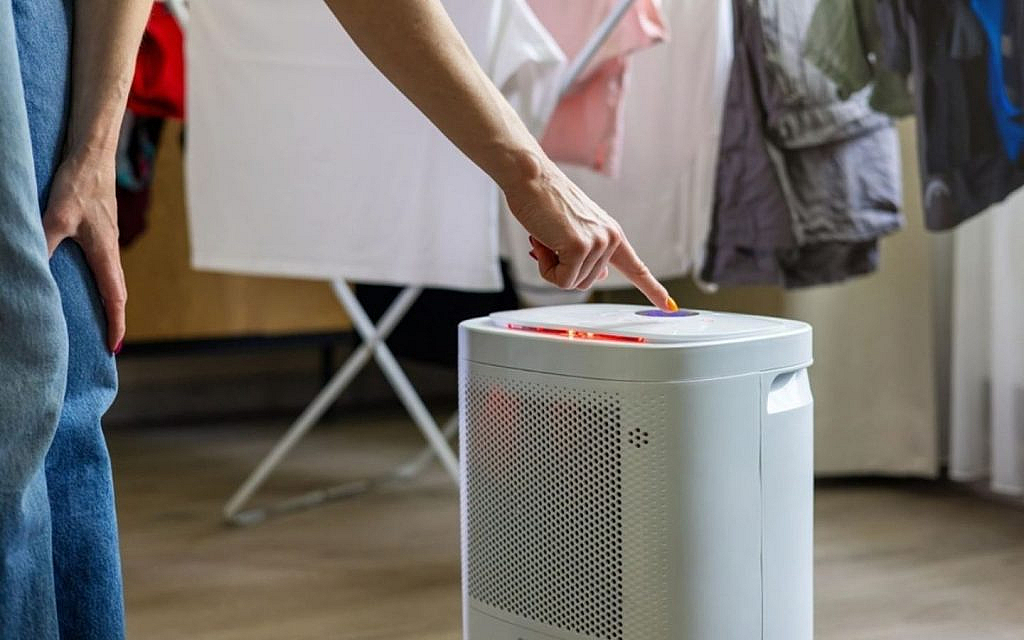
A dehumidifier is one of the most effective ways to control indoor humidity. It removes excess moisture from the air, helping to maintain a comfortable level. In UAE homes, using a portable dehumidifier in bedrooms, living rooms or basements can prevent mould growth and musty odours.
Regularly emptying the water tank and cleaning the filters will keep it running efficiently. Dehumidifiers for sale in the UAE also help prevent condensation on windows and walls during humid months. An energy-efficient model can save electricity while keeping the air dry and fresh.
Improve Ventilation
Good airflow helps reduce humidity. Open windows during cooler hours in the morning or evening to let fresh air in. Use exhaust fans in the kitchen and bathrooms to remove steam and moisture.
If your home has an air conditioning system, ensure vents are not blocked and filters are clean for proper air circulation. Installing extractor fans in damp areas further prevents moisture buildup.

Run the Air Conditioner
Air conditioners naturally reduce humidity by cooling and drying the air. This can be a reliable way to manage moisture in the UAE, where air conditioning runs most of the year. Set your AC at a moderate temperature and keep doors and windows closed when running. Regular AC maintenance also ensures better performance and home humidity control.
Fix Leaks and Plumbing Issues
Even small water leaks can increase indoor moisture levels. Check under sinks, washing machines and near air conditioning units for leaks. Repairing them quickly prevents damp spots that can lead to mould and damage. You can also use moisture-resistant materials for walls and flooring in high-humidity areas like kitchens and bathrooms.
Dry Clothes Outdoors
Drying clothes indoors adds moisture to the air. Use outdoor spaces like balconies or laundry areas to dry clothes. In apartments without outdoor options, use a dryer machine with a proper venting system to release moist air outside instead of indoors.
Use Moisture-Absorbing Materials
Moisture absorbers, such as silica gel, activated charcoal or dehumidifying bags, can help control humidity in smaller spaces and improve indoor air quality. Place them inside wardrobes, shoe racks or storage cupboards to prevent dampness. These are easy to find in UAE supermarkets and can last several weeks before needing replacement.
Cover Cooking Pots
Cooking releases a large amount of steam, especially when boiling or simmering food. Always cover pots and pans to reduce moisture from escaping into the air. Use the kitchen exhaust fan or range hood to remove steam immediately. This simple step helps lower humidity while keeping your kitchen cleaner. Cooking with lids also reduces energy use and prevents condensation on kitchen walls.
Maintain Proper Indoor Temperature
Warmer air holds more moisture. By keeping your indoor temperature moderate, you can naturally lower humidity. Set your thermostat between 22°C and 25°C for comfort and balance. Use ceiling fans to distribute air evenly without making rooms feel stuffy.
Check for Condensation
Condensation on windows or walls indicates high humidity levels. Wipe it off immediately and check for any signs of dampness. Installing double-glazed windows or using window films can help reduce condensation. Also, make sure furniture is not placed too close to walls to allow air to flow freely.
Add Houseplants Wisely
Some indoor plants absorb moisture from the air, helping to regulate humidity. Plants like peace lilies, English ivy and Boston ferns can be good choices. However, too many plants can have the opposite effect by increasing moisture through transpiration, so keep them in moderation.
Besides, place them near windows or ventilated areas for balanced growth and airflow. Avoid overwatering, as excess soil moisture can increase humidity in small rooms. Houseplants also feature among effective tips to keep the house clean.
FAQs
What is the ideal indoor humidity level in UAE homes?
The ideal indoor humidity level is between 40% and 55% for comfort and health.
Can air conditioning alone lower humidity in the house?
Yes, air conditioning helps lower humidity, but combining it with good ventilation gives better results.
How can I check humidity levels to reduce moisture in the house?
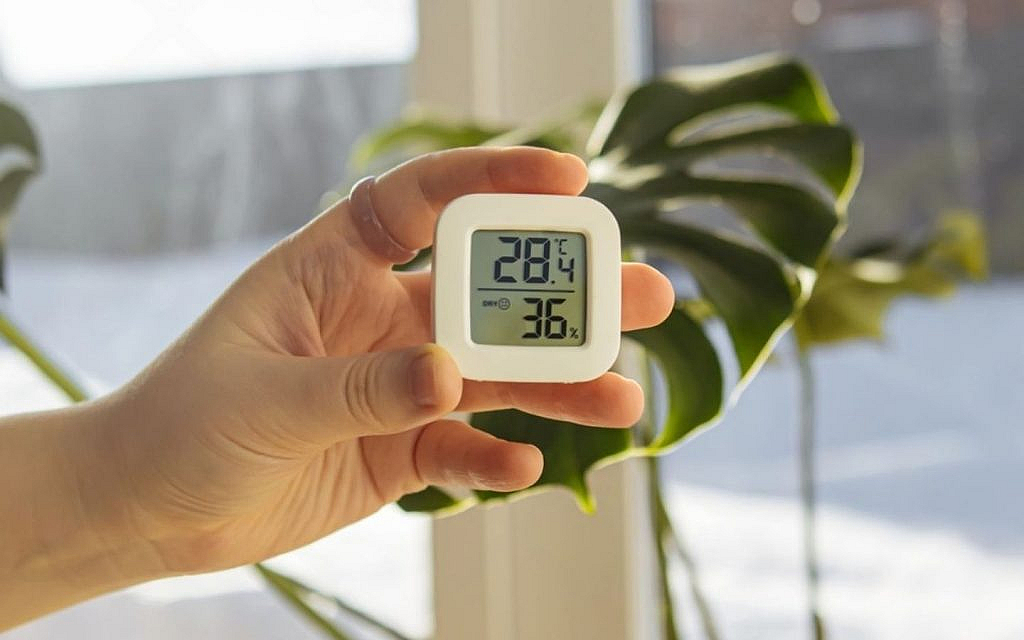
A digital hygrometer can be used to monitor indoor humidity, as it is affordable and easy to use.
Does humidity affect electronics?
Yes, high humidity can cause corrosion and reduce the lifespan of electronic devices.
That was all about how to lower indoor humidity. Managing humidity in UAE homes is essential for comfort and health. By carefully following the tips to lower humidity, your home will stay cool, dry and pleasant even during the most humid months.
If you plan to upgrade your living space, consider modern homes with better ventilation and moisture control. Many properties for sale in the UAE now feature smart air systems and high-quality insulation that help maintain ideal indoor humidity throughout the year.
Keep visiting the UAE’s most popular property blog for more home care tips.