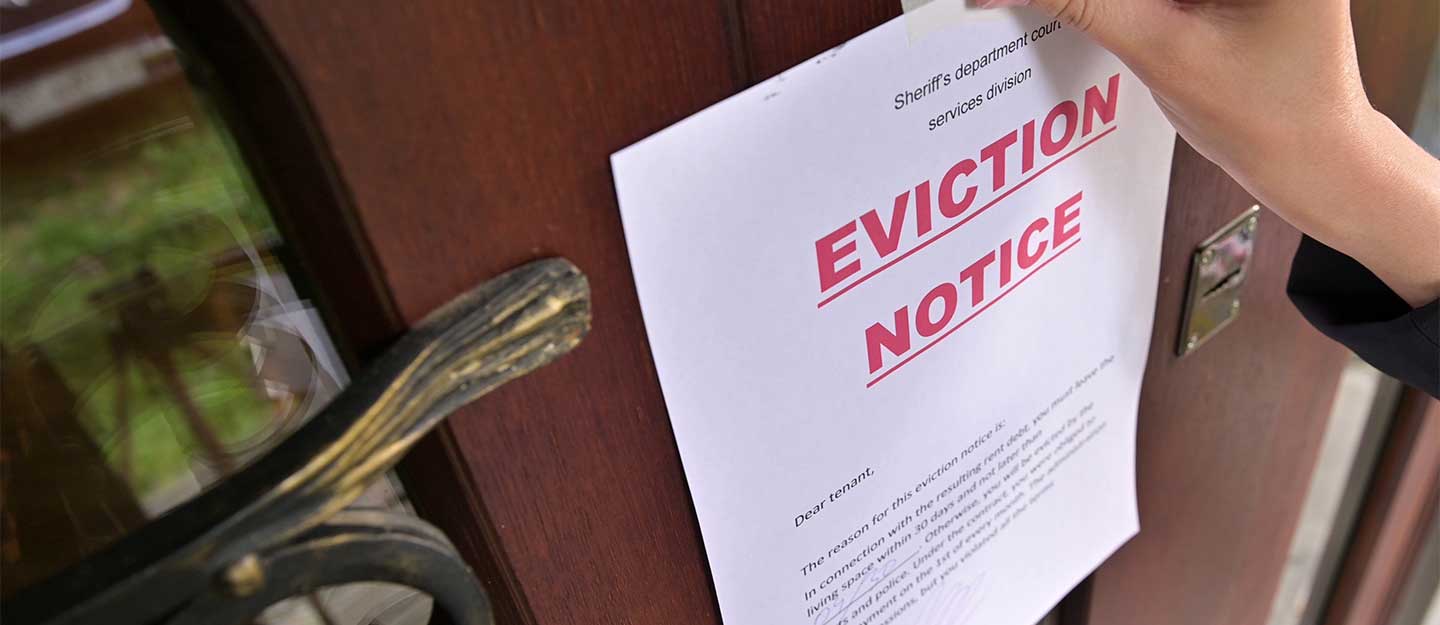
Dubai is known for its diverse real estate market offering rental units at different price points. The occupancy of the rented property is also at the discretion of the property owner as well as the rental agreement terms between a landlord and tenant. However, if the landlord suddenly asks tenants to leave their property – it can cause a lot of stress. But what happens if the landlord wants their rented property for personal use? Is there compensation from the landlord after being evicted? Let’s go through the details.
Legal Recourse for Evicted Tenants

As per the Dubai Land Department (DLD), tenants may be entitled to compensation from the landlord after being evicted, depending on the circumstances. But first, let’s go through different situations where landlords can lawfully evict tenants
- The landlord has provided the tenant with a 12-month notice, delivered through a Notary Public or registered post.
- The landlord proves they want to use the property for personal use because they do not own another property suitable for it. If the landlord fails to use the property for the stated personal purpose, the tenant has the right to seek compensation.
If a landlord wishes to evict a tenant to use the property for personal purposes, they must first obtain permission from the Rental Dispute Settlement Centre (RDSC).
According to Article 26, if the landlord seeks eviction on the grounds of personal use or for the use of immediate family members, it must comply with Article 25, clause 2(c). The RDSC must approve and grant possession of the property to the landlord on these grounds.
Additionally, the landlord is prohibited from renting the property to a third party for at least two years for residential properties and three years for non-residential properties, unless the RDSC sets a shorter period.

Please note that the landlord can legally evict tenants without any compensation if the tenant violates the lease.
How to Claim Compensation from a Landlord After Eviction

In the UAE, tenants who feel they have been unfairly evicted may have the right to seek compensation or contest the eviction, depending on the circumstances. The key aspects are outlined under Dubai’s Real Estate Regulatory Agency (RERA) and the UAE’s tenancy laws.
Grounds for Seeking Compensation
Here are the situations where tenants have legal rights to seek compensation from the landlord.
- Unlawful Eviction: If a landlord evicts a tenant without following the proper legal procedures, the tenant may be entitled to compensation. For instance, in Dubai, landlords must provide at least 12 months’ notice in writing if they intend to reclaim the property for personal use or to sell it.
- Violation of Contractual Terms: If the landlord breaches the tenancy contract, such as by failing to provide essential services or unlawfully increasing the rent, the tenant may seek compensation. Concerned individuals can also access the real estate violation complaint system in Dubai to report any violations of terms.
- Inadequate Notice: If the landlord fails to give the required notice period before evicting the tenant, this could be grounds for compensation.
Legal Process For Tenant Compensation
As for the rights of tenants after eviction, these are the details for the legal process to follow for compensation.
- File a Complaint with RERA: In Dubai, tenants can file a complaint with RERA’s Rental Disputes Center (RDC). The RDC will review the case and may award compensation if the eviction is deemed unlawful.
- Provide Evidence: The tenant will need to provide evidence of unlawful eviction, such as communication with the landlord, the tenancy contract, and proof of any breach of contract.
- Arbitration or Court: If the matter cannot be resolved through RERA or other mediation, it may go to court, where the tenant can seek damages.
FAQS
Can a tenant claim compensation if evicted for the landlord’s personal use?
Yes, if the landlord doesn’t use the property as stated, the tenant can seek compensation.
What notice period must a landlord give before evicting a tenant for personal use?
The landlord must provide a 12-month notice via Notary Public or registered post.
Can a landlord rent the property to someone else immediately after evicting a tenant?
No, the landlord cannot rent to a third party for at least two years for residential properties.
What happens if the landlord owns another suitable property for personal use?
If the landlord owns another suitable property, they cannot legally evict the tenant for personal use.
Where should a tenant go if they believe their eviction was unlawful?
The tenant can file a complaint with the Rental Dispute Settlement Centre (RDSC).
That is all about tenants getting compensation from the landlord after being evicted. Seeking legal advice or consulting with a real estate expert is advisable to understand the specific options available based on the individual circumstances.
On another note, also remember that tenants can also not use a landlord’s property for personal gain. Case in point: tenants thinking to sublet a Dubai flat without landlord’s consent can get into a lot of legal trouble.
Dubai’s rental laws aim to protect both landlords and tenants, ensuring fairness in rental agreements. Article 24 of Law No. 26 of 2007 requires tenants to obtain written consent from the landlord before subletting a property. This rule ensures landlords have control over who occupies their property and prevents unauthorized use.
Stay tuned to dubizzle’s property blog for more on the rights, compensations and allowances to tenants and landlords in the UAE.