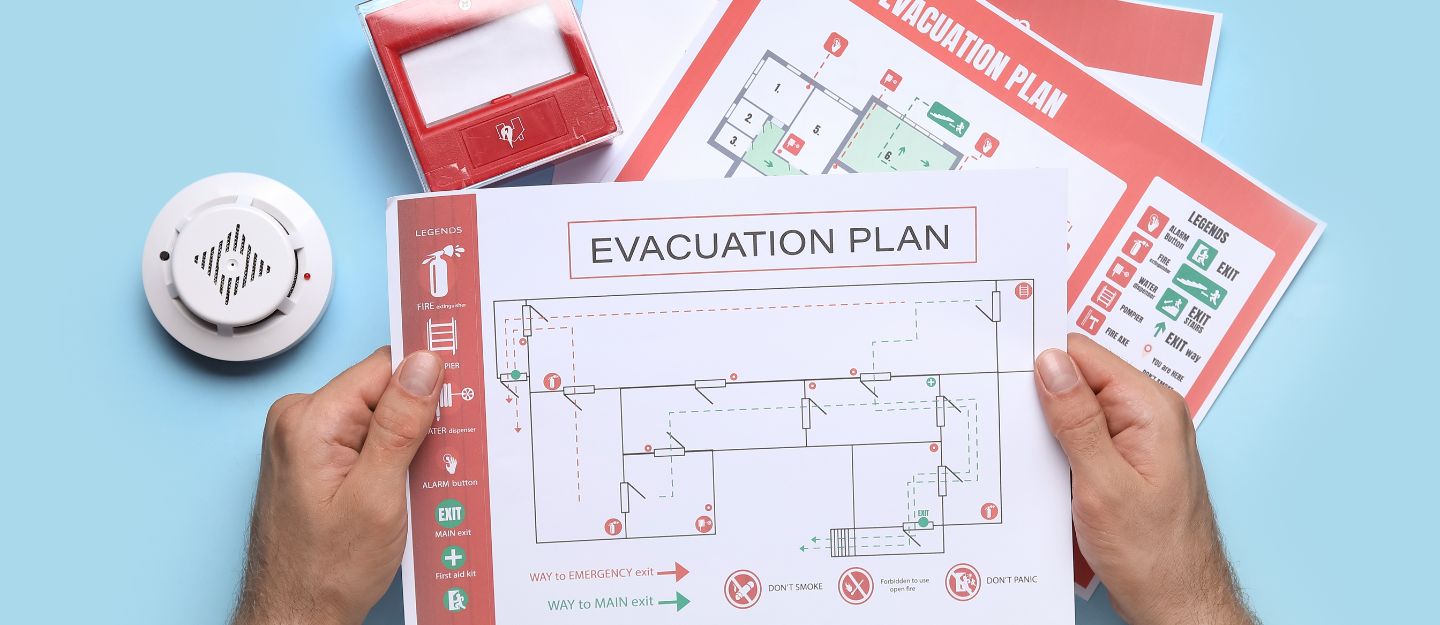
Fire safety is a critical aspect of residential living in the UAE, especially with the rise of high-rise towers and mixed-use developments. While most residents focus on amenities and location, one crucial factor is whether the building has a proper evacuation plan.
Having a building evacuation plan in the UAE is mandatory under the UAE Fire & Life Safety Code, enforced by Civil Defence authorities across all emirates.
From verifying compliance to understanding essential safety measures, every tenant and homeowner should know how to assess their building’s readiness.
What Is a Building Evacuation Plan in the UAE
An evacuation plan (also called an Emergency Action Plan) is a structured set of procedures designed to make sure that there is a safe exit of occupants during home emergencies such as fires, gas leaks, or structural hazards.
Under the UAE Fire & Life Safety Code, enforced by authorities such as Dubai Civil Defence, all residential and commercial buildings must have clearly defined emergency evacuation procedures.
According to UAE safety guidelines, an evacuation plan must include:

- Emergency reporting procedures
- Evacuation routes and exit strategies
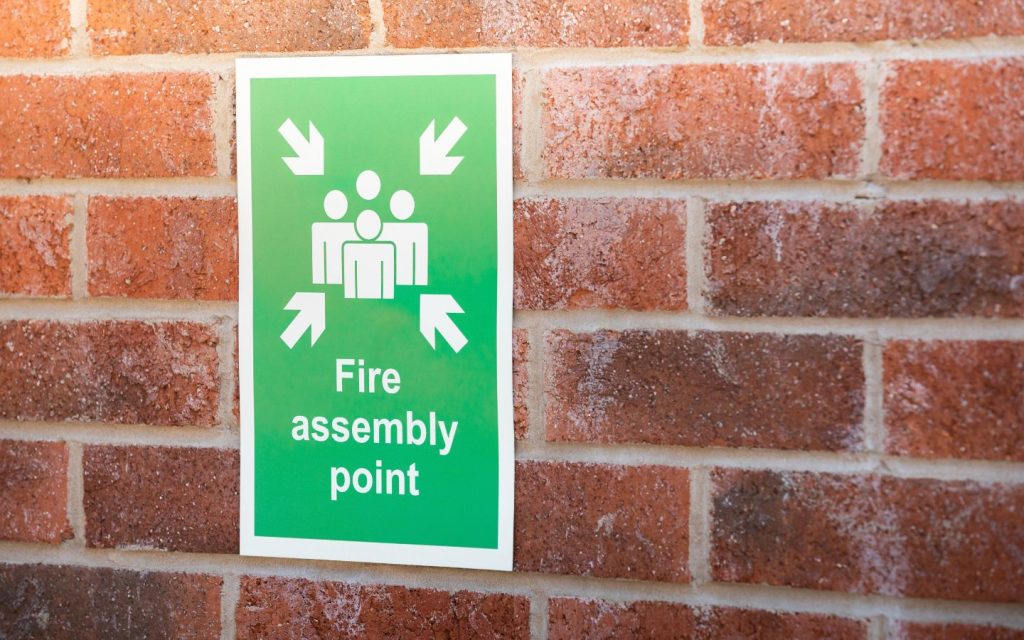
- Assembly points outside the building
- Roles and responsibilities of occupants and staff
The primary goal is simple: safe and efficient evacuation of all occupants.
Key Features of a Proper Building Evacuation Plan in the UAE
A compliant fire evacuation plan for residential buildings in the UAE is supported by a combination of systems and design elements that enable safe and efficient evacuation. Based on UAE fire safety requirements in apartments and buildings, the following features are essential:
Clearly Defined Means of Escape
- Clearly marked emergency exits throughout the building
- Fire-rated staircases and corridors are designed to limit the spread of fire and smoke
- Unobstructed escape routes to allow safe movement during emergencies
Emergency Signage and Exit Indicators
- Illuminated exit signs installed at all required locations
- Directional signage guiding occupants towards exit routes
- Signage designed to remain visible during low visibility conditions
Fire Detection and Alarm Systems
- Smoke detectors and heat detectors are installed throughout the building
- Manual call points for initiating alarms
- Audible and visual alarm systems to alert occupants
Fire Suppression Systems
- Automatic sprinkler systems, depending on building type and risk level
- Fire hose reels and the right type of extinguisher for different situations
- Specialised suppression systems for specific areas where required
Emergency and Exit Lighting
- Emergency lighting installed along escape routes, stairwells and exits
- Systems designed with an independent power supply or battery backup
- Automatic activation during power failure or alarm conditions
Smoke Control and Ventilation Systems
- Smoke exhaust systems in corridors and enclosed spaces
- Pressurised stairwells to keep escape routes clear
- Mechanical ventilation systems to maintain visibility and airflow
How to Check if Your Building Has an Evacuation Plan
If you’re unsure whether your building is fully prepared for emergencies, you can carry out a few simple checks. These steps will help you assess compliance with UAE safety standards and identify any gaps.
Check for Evacuation Maps on Your Floor
Start by looking around common areas such as corridors and near elevators. Most compliant buildings display evacuation maps that show your current location, the nearest exits and the designated escape routes. These maps should be easy to read and clearly marked.
Inspect Emergency Exit Signage
Walk through your floor and observe whether emergency exits are properly marked. Exit signs should be illuminated, visible from a distance and lit with a green ‘running man’ pictogram. Staircases should be accessible and free from any obstructions.
Look for Fire Safety Systems
A well-equipped building will have visible fire safety systems such as smoke detectors, sprinkler systems, fire alarms or Hassantuk for homes in the UAE. These systems should appear maintained and functional, as they play a critical role in early evacuation.
Ask Building Management for Details
If you’re still unsure, contact your building’s management or security team. Ask them about the evacuation plan, the location of assembly points and whether the building has approval from Dubai Civil Defence. A compliant building should have clear documentation.
Check if Fire Drills Are Conducted
Fire drills are an important part of emergency preparedness in the UAE. If your building conducts drills, it indicates that evacuation procedures are actively implemented rather than just documented.
Identify the Assembly Point
Finally, make sure you know where residents are expected to gather after evacuation. Assembly points are usually located outside the building in a safe, open area and should be clearly communicated to occupants.
Practical Tips for Residents During an Evacuation
Even if your building has a fully compliant evacuation plan, knowing how to act during an emergency is essential. Authorities in Dubai recommend the following general safety tips for residents and tenants:
- Use the nearest safe exit: When an evacuation alarm sounds, leave immediately using the closest fire exit. Avoid elevators and opt for stairways.
- Follow staff instructions: Listen to building management and emergency personnel guiding the evacuation.
- Keep doors closed: Close doors behind you as you exit, but do not lock them.
- Do not delay for belongings: Personal items should never slow down your exit. Safety comes first.
- Stay at assembly points: Once outside, remain in designated safe areas until authorities confirm it is safe to leave.
- Report missing persons: If someone is unaccounted for, inform security, building management, or emergency personnel immediately.
- Stay calm and informed: Follow official instructions and rely on verified communication channels for updates.
Following evacuation procedures is essential, but you can further enhance your safety by learning ways to avoid home fire emergencies and being aware of emergency equipment locations.
FAQs
Is it mandatory for buildings in the UAE to have an evacuation plan?
Yes. All residential and commercial buildings in the UAE must have a compliant evacuation plan under the UAE Fire & Life Safety Code, enforced by Civil Defence authorities across all emirates.
Who is responsible for evacuation planning in residential buildings?
Building owners, facility managers and developers are responsible for implementing and maintaining evacuation plans.
Where can I find evacuation routes in my building?
Evacuation routes are usually marked with illuminated exit signs, directional arrows and floor maps that display your current location. Check corridors, stairwells and common areas for clearly indicated escape paths.
This is all about how to check a building evacuation plan in the UAE. In a fast-paced real estate market, it’s easy to focus on location, amenities and price, but building safety, especially evacuation preparedness, should never be overlooked.
Before renting an apartment in the UAE, make sure to verify that the property has a compliant evacuation plan. Doing so is a simple step that can have life-saving consequences.
Stay tuned to dubizzle’s property blog for more tips and ensure your building in the UAE is fully prepared for any situation.