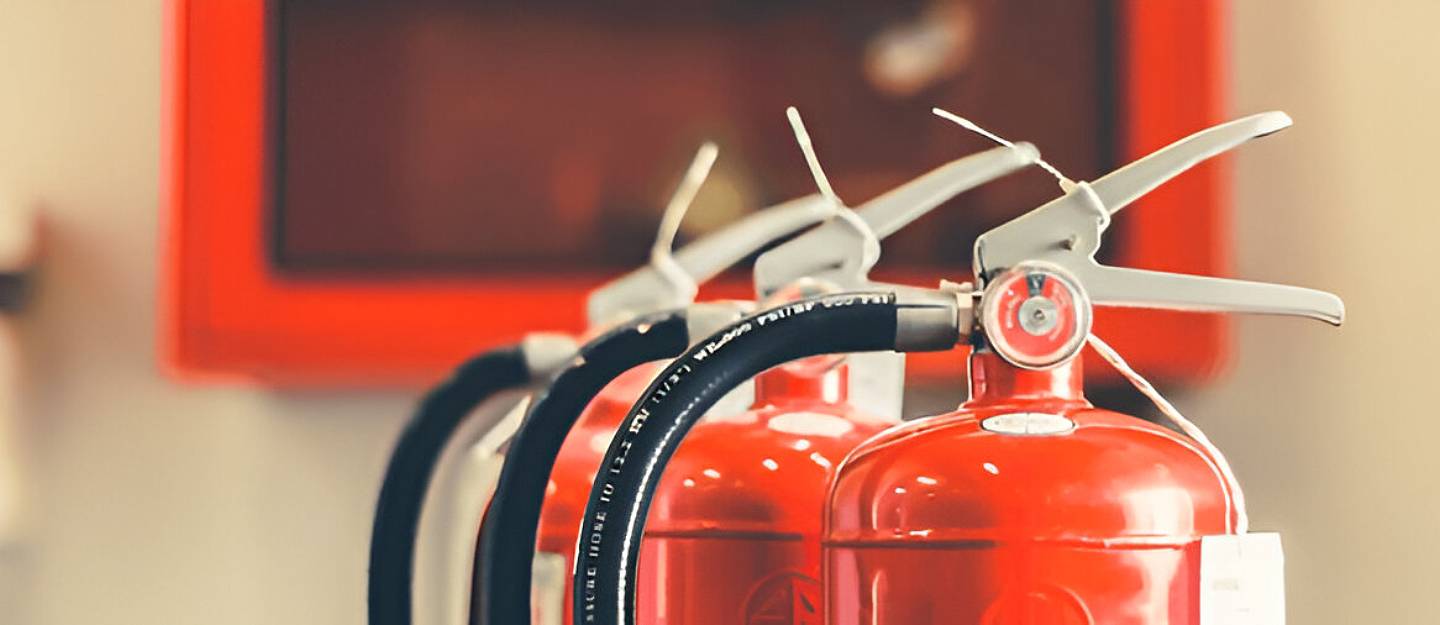
- Understanding Home Fire Risks
- Choosing the Fire Extinguisher Type
- Key Considerations for Selection
- Where to Install Extinguishers
- FAQs
A fire extinguisher is one of the most critical components of home fire safety equipment. Whether it’s a small spark in the kitchen or an unexpected electrical fault, using the right fire extinguisher to contain a fire before it becomes unmanageable can make all the difference.
Understand the Fire Risks at Home
Effective home fire risk management begins with understanding where fires are most likely to start. Kitchens are particularly high-risk areas due to cooking appliances. Similarly, other parts of the home, such as areas with electrical equipment or sockets with high-voltage supplies, pose potential threats. Recognising and listing down every potential fire risk zone is essential for selecting the right fire extinguisher for home use.
Different Types of Fire Extinguishers for Residential Use
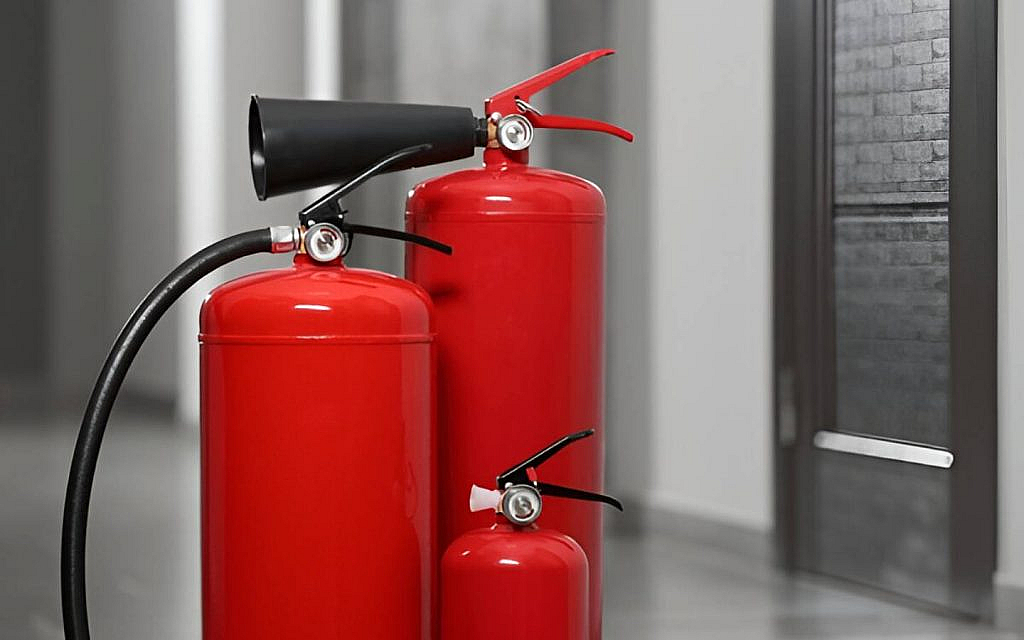
While preparing for home fire safety and prevention, it is important to understand the different fire extinguisher types for household fires and their specific uses. Each type is designed to tackle a particular class of fire.
- Class A: For ordinary combustibles like wood, cloth and paper.
- Class B: For flammable liquids such as oil and petrol.
- Class C: For electrical fires.
- Class K (sometimes listed as Class F): Specifically for cooking oils and fats, ideal as a kitchen fire extinguisher for homes.
Key Considerations When Choosing
When it’s time to choose a home fire extinguisher, keep the following points in mind:

- Size and weight: A small fire extinguisher for home use is easier to handle, especially in tight spaces.
- Portability: A portable fire extinguisher for household use should be light enough for all adults in the home to use.
- Placement: Install a wall-mounted fire extinguisher for home in accessible areas, such as the kitchen, utility room or near exit points.
- Maintenance: Ensure your extinguisher is serviced regularly and pressure-checked, as neglected units may fail in emergencies.
Every little thing can make a big difference when tackling a house fire, from choosing the type of extinguisher to its on-time maintenance and proper placement.
Where to Install Fire Extinguishers at Home
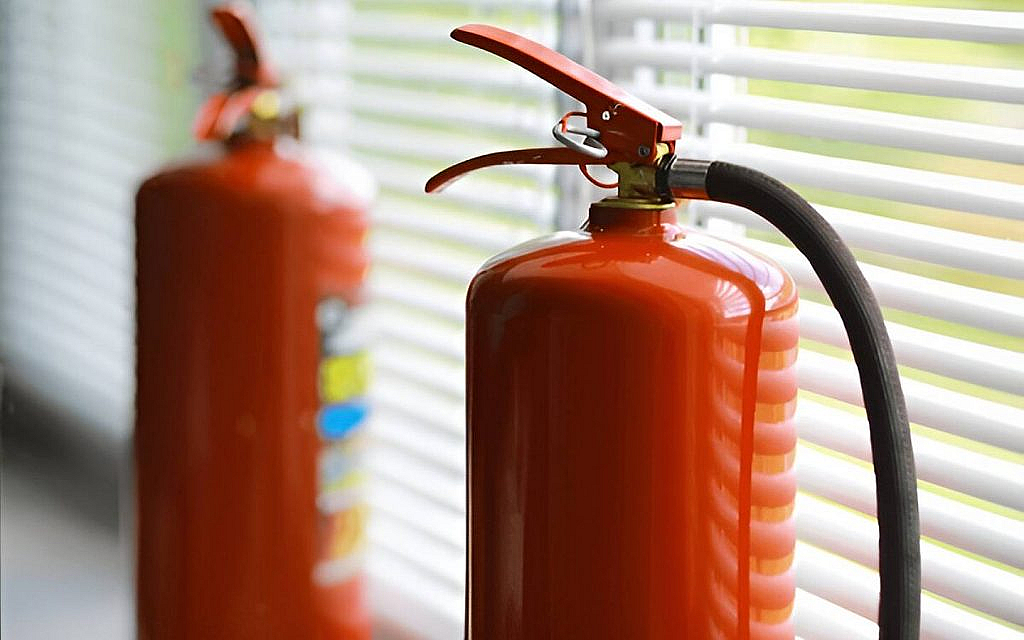
For complete household emergency preparedness, fire extinguishers should be placed strategically:
Kitchen: A Class K or multipurpose unit.
Garage or workshop: A Class B or ABC extinguisher.
Living areas and bedrooms: Lightweight ABC extinguishers within reach.
Having more than one extinguisher is advisable to support arrangements with an adequately layered fire prevention tool for a household setup.
FAQs
What type of fire extinguisher is best for household fires?
A multipurpose (ABC) fire extinguisher is best for general household use as it covers most fire types.
Can one fire extinguisher handle all types of fires in a home?
While ABC extinguishers cover many fire types, specialised ones like Class K are better for kitchen fires. Choose a home fire extinguisher while keeping these factors in mind to make an informed decision.
Is a kitchen fire extinguisher different from one for the garage?
Yes, kitchen extinguishers handle cooking oil fires, while garage ones often need to cover flammable liquids.
How do I know which fire extinguisher to buy for my apartment?
Check your home’s risk areas and choose a Class ABC fire extinguisher for home. Moreover, a Class K for the kitchen. Selection of the right equipment is among the many apartment fire safety tips that you should know.
This is everything to know about making the right fire extinguisher selection for households. The know-how of an emergency and ways to tackle it can be highly effective and, in fact, life-saving in some cases.
Whether buying or renting a property in the UAE, home seekers should make a checklist to ensure every safety measure is in order.
For more updates on household safety tips and tricks, stay connected with the UAE’s leading property blog.