Volvo is one of the prominent names when it comes to early innovators in the automotive industry. Moreover, the brand has consistently introduced innovative approaches to make vehicles safer for drivers and passengers.
Volvo began its journey in 1927 as a car manufacturer, quickly establishing a strong reputation for safety and reliability. Over the decades, Volvo has evolved beyond just automotive production. Today, Volvo is synonymous with innovation, safety and quality across a diverse range of products.
Now, let’s look closely at Volvo’s history to uncover how it evolved into a large, influential company.
Volvo History and Timeline
Both new and used popular Volvo cars have become the top choice for people looking for vehicles that prioritise safety. The brand’s extensive legacy is packed with impressive Volvo facts and turning points. Below is a detailed history of Volvo cars shedding light on how the car manufacturer progressed over the years.
1924-1934 – Building Concrete Foundation
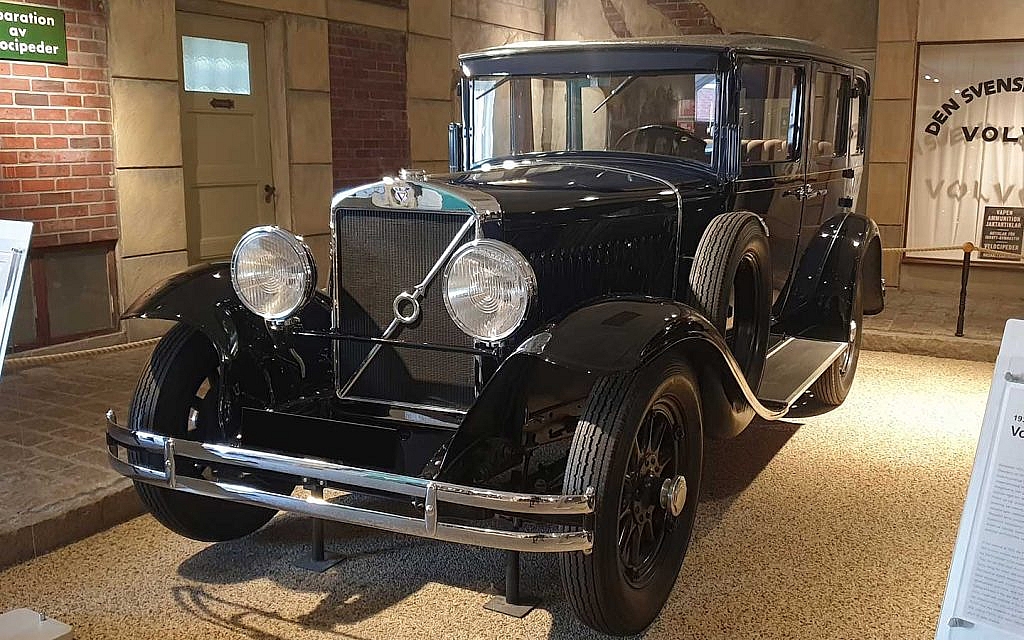
In 1924, Assar Gabrielsson and Gustaf Larson discussed the idea of launching a car company, Volvo. Three years later, in 1927 the brand set out on the journey to build an impeccable automotive history. Volvo’s history started with the Volvo ÖV4 which became the foundation of its legacy.
In 1928, Volvo launched their Series 1 truck which helped them gain international recognition. The car manufacturer introduced its six-cylinder PV651 in 1930. This model was unique because of its greater width and length than the previous models. Later that year, Volvo started exporting trucks to Europe and sold up to 639 cars globally.
1935-1944 – Gaining International Recognition
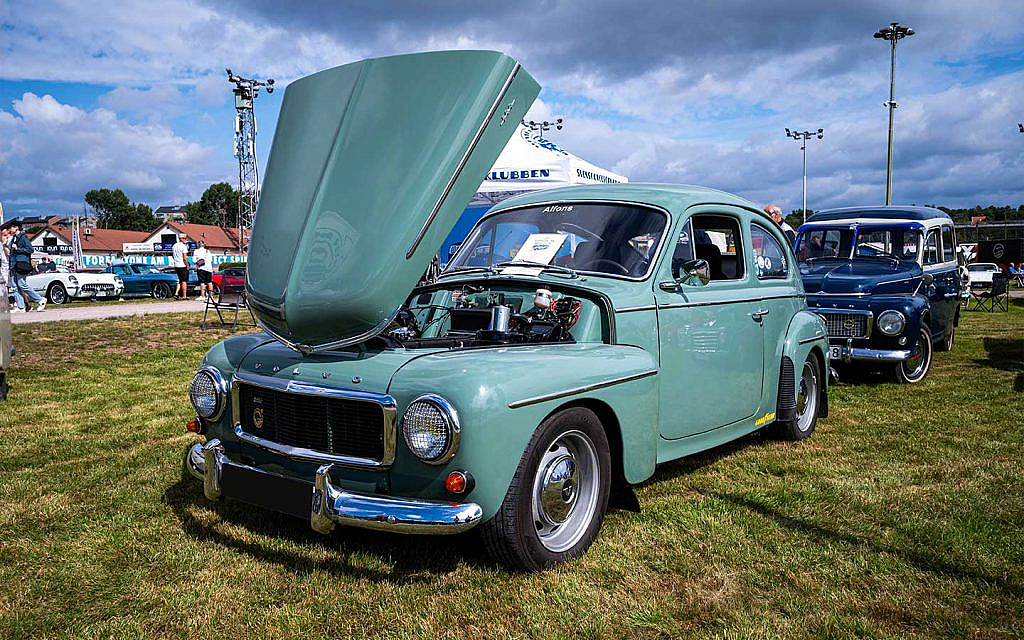
The regular working class acquired the stock market in 1935 where SFK listed Volvo. The same year followed the launch of the Volvo PV36 Carioca featuring independent front suspension. Furthermore, Volvo entered the marine engine market through the acquisition of Pentaverken, Volvo’s engine manufacturer. The company launched the PV 50 Series in 1936.
Catering to the demands of Volvo dealers, Volvo launched PV 51 which was inspired by the expensive PV36. In 1939, during World War II, Volvo stopped developing cars and focused on producing gas units instead.
Volvo became the main shareholder of Svenska Flygmotor in 1941 and acquired it completely in 1969. It continued to make strides in the industry and bought gearbox supplier Köpings Mekaniska Werkstad in 1942.
The company revealed its distinguished PV444 model in Stockholm in 1994 which strengthened its international presence. Additionally, the PV444 was also called ‘the little Volvo’. They sold up to 2300 PV444 in just two weeks. Moreover, they launched the PV60 in the same year.

1945-1954 – The Decade of Firsts
In 1945, Volvo launched its first diesel-powered truck and bus. For the first time in Volvo’s history, the company had more car sales as compared to trucks or buses. When Volvo acquired Bolinder-Munktell in Eskilstuna in 1950, the production of tractors and agricultural machinery shifted.
The company launched their first series-produced estate cars, the PV445 / P210 “Duett”, in 1953 which marked a historical event in Volvo’s history. Then, the year 1954 saw the launch of Vovlo’s first sports car, the Volvo P1900. Additionally, it also featured the introduction of a new rear-end loader in Volvo BM in Eskilstuna.
Lastly, it also opened a new truck manufacturing factory in Gothenburg. This spiked the production volume significantly to 15,000 vehicles produced yearly.
1955-1964 – Enhancement of Safety Features
In 1956, Volvo saw the launch of the coveted Amazon, a part of the 120 series. This model marked a huge milestone in the advancement of Volvo generations. Furthermore, Volvo proved itself to be the epitome of safety by continuing to add safety features to their cars. In 1959, the company made an important advancement in the history of car seat belts: the three-point safety belt. This feature enhanced the safety of the driver and passengers significantly. Volvo introduced its new factory in Torslanda in the same year.
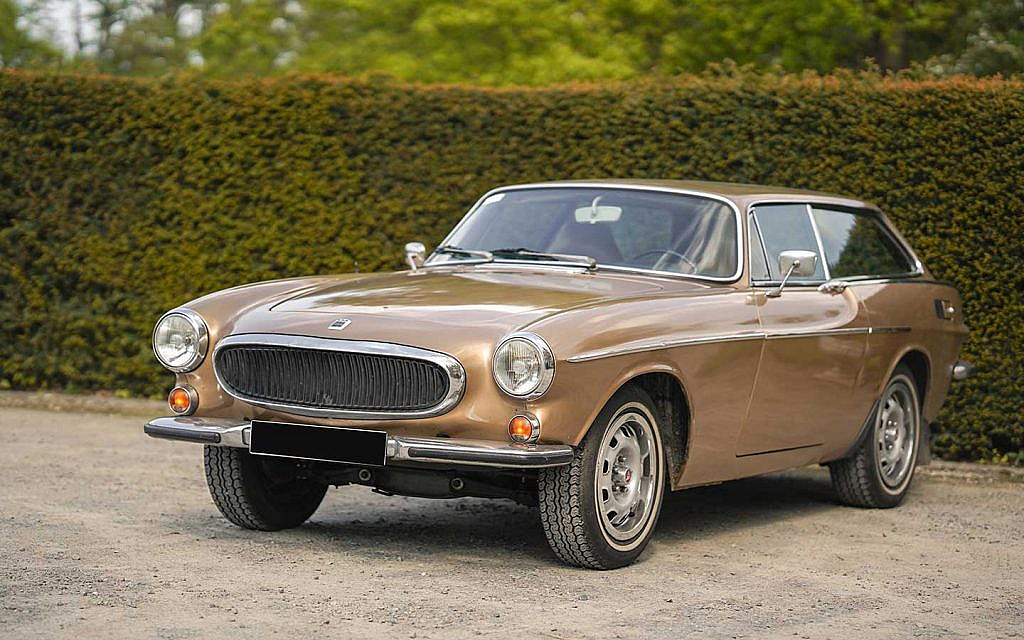
The P1800 sports car that gained popularity via the TV series ‘The Saint’ was up for production in 1961 followed by the launch of the Amazon in 1962. Volvo began focusing on producing cars well-suited for families like the Volvo 140 sedan launched in 1964.
1965-1974 – Growth of Volvo Operations
In 1965, Volvo opened a new factory in Ghent called Volvo Europa N.V. to solidify its position in Europe. The company introduced one of its most important innovations in 1966: the articulate hauler. It was also known as ‘Grus-Kalle’ in Sweden.
Volvo purchased Svenska Stalpressnings AB in Olofström in 1969 which was later considered to be one of the most important factories for Volvo. The Volvo P1800ES was launched during this time of change. In 1972, the company bought 33% of the stock of Dutch Auto Manufacturer DAF which led to the addition of another core value – Environment.
During the oil crisis in 1974, Volvo remained steady and launched the Volvo 240 and 260 models. These models consisted of important features, making them among the safest vehicles of that era.
1975-1984 – Mergers and Acquisitions
In 1975, Volvo opened a truck factory in Ghent, Belgium. Meanwhile, the company gained more control of DAF and changed its name to Volvo Car B.V. The following year, in 1976, Volvo revealed their special sensor lambda probe and their three-way catalytic converter to regulate the harmful gasses emitting from cars.
Volvo proposed a merger with SAAB-Scania, its Swedish competitor. However, the deal was called off due to the disinterest of SAAB in forging a partnership with Volvo. In 1979, Volvo manufactured its four millionth car. The same year Volvo built a partnership with Renault to work collaboratively on research and product development.
In 1980, Volvo joined forces with Beijerinvest and named it Investment AB Volvo Beijer. The company diversified its operations and started acquiring different companies such as Procordia and Farmacia. Later, Volvo opened a truck factory in Brazil. In 1981, Volvo was working on making car parts lighter and enhancing the safety features of the vehicles.
In 1981, Volvo took over American truck maker White. The following year, the Volvo 760 was introduced and a new factory for Volvo Trucks was opened in Tuve, Hisingen.
1985-1994 – Racing Ventures and Strategic Shifts
In 1985, Volvo appointed Ruedi Eggenberger, a Swiss engine expert, to improve their performance in car racing. The next year Volvo dived into sports cars and luxury models. Volvo and Renault made a pact to merge both companies in 1990.
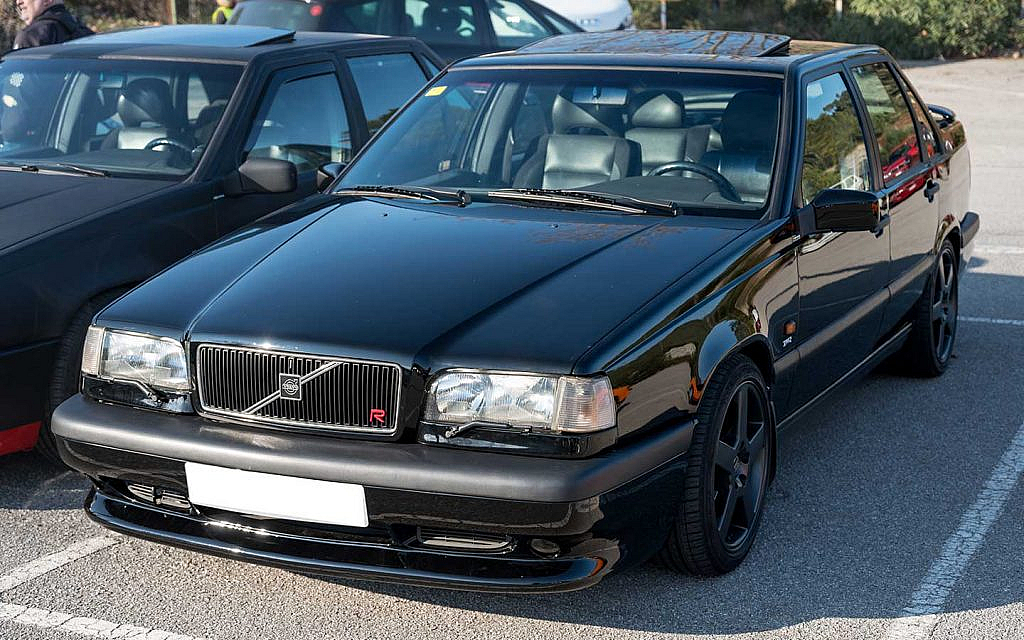
A distinguished model of Volvo, the Volvo 850, came out in 1991. Its front wheel drive feature along with the five-cylinder engine made the car stand out from its predecessors. The company also made a deal with the Japanese manufacturer Mitsubishi. This deal gave Mitsubishi a one-third share of Volvo’s Dutch facility.
In 1993, Volvo announced that the Volvo FH12/16 had left the factory. The merger with Renault also came to a halt. In 1994, Volvo decided to go back to focusing on its core business areas: automotive industries and transport.
1994-2004 – Product Launches and Merger Talks
In 1995, the brand revealed the Volvo C70 Coupe in Paris. Later in 1997, there was a change in leadership. Leif Johansson replaced Gyll as the CEO and president of the company. Volvo introduced the Volvo S90 Sedan in 1997 but discontinued a year later. Rumours were circulating about Volvo’s merger with Volkswagen in 1998 and the company introduced the S80 Sedan.
The European Union stopped the merger between Volvo and Scania AB in 1999. Another important event in Volvo’s history is when Ford bought its car division for $6.45 billion (23.69 billion AED). The company became a part of Ford’s Premier Automotive Group after the sale.
2004-2014 – The Chinese Takeover
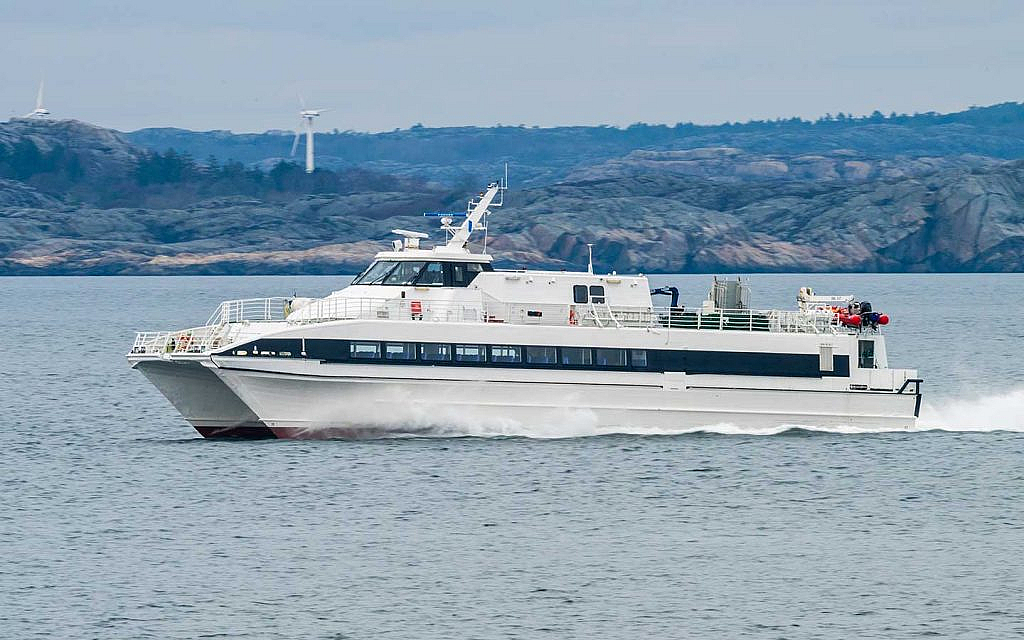
This decade brought a significant change in terms of expansion and reorganisation of the company. Volvo Penta brought forward its IPS propulsion system, a major product innovation since 1959. In 2006, Volvo bought 13% shares in Nissan Diesel and acquired it completely in 2007 to gain prominence in Asia.
Furthermore, the Chinese takeover of Volvo cars by Geely marked a major milestone in Geely’s history of acquisitions. Renault’s liquidation of its stake in AB Volvo and the launch of the Volvo FMX truck were some noteworthy changes in 2010. The company launched a new truck and sold Volvo Aero to GKN in 2012.
2014-Present – Growth Surge and Innovations
Volvo’s car sales surpassed the half-million mark for the first time in its 89-year history and started growing exponentially in 2015. They introduced new D11, D13 and D13 incorporating Turbo Compounding engines for GHG 2017.
In 2017, Volvo initiated vehicle subscriptions called Care by Volvo. Moreover, the same year followed the company’s announcement of including electric motors in the powertrain of all their new models. Then, Volvo partnered with Geely in 2021 to work on its hybrid car motors operations.
FAQs
Is Volvo Swedish or German?
Volvo company’s origin lies in Sweden. It is a Swedish car manufacturing company known for its focus on safety.
Who makes Volvo engines?
Volvo Cars makes all Volvo engines, petrol and diesel, at their Skövde, Sweden factory. While the Zhangjiakou plant in China manufactures the engines for Volvo cars in the Asian market.
What does Volvo stand for?
The name Volvo was initially a trademark for SKF ball bearings. It is derived from the Latin word ‘Volvere’ which means ‘I roll.’
This Volvo history timeline gives comprehensive details about the evolution of Volvo cars and the company as a whole. The evolution of Volvo cars is a journey focused on the enhancement of safety and adaptability. In 2021, Volvo Cars announced they would halt the sales of fossil-fuel-based cars by 2030 and would focus on the manufacturing of electric cars only. If you want to look at the latest Volvo models firsthand, then you can visit these Volvo showrooms in the UAE.
Volvo’s electric vehicles are also garnering fame among car enthusiasts. If you plan on buying electric vehicles, here are the Volvo EVs available in the UAE market.
Moreover, if you’re on a budget, go through these used Volvo cars under AED 150k in the UAE. That said, for a shiny, mint-condition car, explore these new Volvo cars in the UAE.
To learn more about car manufacturers’ histories and facts, keep reading dubizzle’s autos blog.
Related Posts