Aerodynamics is a fundamental aspect of vehicle performance, influencing speed, fuel efficiency and handling. Many vehicle add-ons are chosen for their visual appeal or added functionality. However, some of them can greatly impact a car’s aerodynamics. Let’s examine the effects of vehicle add-ons on aerodynamics.
How Car Aerodynamics Work

Aerodynamics is all about how air moves around objects. For car aerodynamics, the goal is to minimise air resistance or drag and control airflow to improve performance. The main aerodynamic forces affecting a car include drag, lift and downforce.
- Drag: The resistance forces opposing the vehicle’s movement through the air. Lower drag means higher efficiency and speed.
- Lift: The force that can push the vehicle upwards or downwards affects stability. Minimising unwanted lift is crucial for maintaining traction.
- Downforce: A force that pushes the vehicle downwards, increasing traction. More downforce generally means better handling, especially at high speeds.
Effects of Common Vehicle Add-Ons on Aerodynamics
Let’s explore some popular vehicle add-ons and their aerodynamic effects:
Spoilers and Wings
A car’s spoilers and wings are designed to alter airflow, reducing lift and increasing downforce to improve traction and stability, particularly at high speeds. There are two types of car spoilers:
- Lip Spoilers: Small, subtle and often placed on the trunk lid. They help in reducing drag and providing minor downforce.
- Wing Spoilers: Larger and more prominent, designed to create significant downforce. The wing spoilers are common in sports cars and racing vehicles.

Positive Impact on Aerodynamics
Effectively designed spoilers and wings can significantly boost downforce without adding excessive drag. This improvement in downforce keeps the vehicle more firmly planted on the road, enhancing handling and performance, especially during high-speed manoeuvres and cornering.
Negative Impact on Aerodynamics
Inefficient or incorrectly placed spoilers can increase drag without substantial downforce benefits, lowering fuel efficiency and reducing top speeds. For instance, a spoiler creating too much turbulence behind the vehicle can slow it down and make it less efficient.
Body Kits
Body kits typically include front and rear bumpers, side skirts and sometimes widened fenders. They are used to enhance the vehicle’s aesthetic appeal and aerodynamic efficiency. The components of body kits are usually front and rear bumpers, side skirts, diffusers and splitters.

Positive Impact on Aerodynamics
Well-crafted body kits can streamline airflow around the vehicle, reducing drag and potentially enhancing downforce. Front bumpers and splitters can direct airflow to minimise drag and maximise downforce. Moreover, side skirts can prevent air from flowing underneath the car, reducing lift and improving aerodynamics and stability.
Negative Impact on Aerodynamics
Poorly designed body kits can increase drag, disrupt airflow and lead to higher fuel consumption. For instance, overly aggressive designs without proper aerodynamic consideration can cause turbulence and increase resistance.
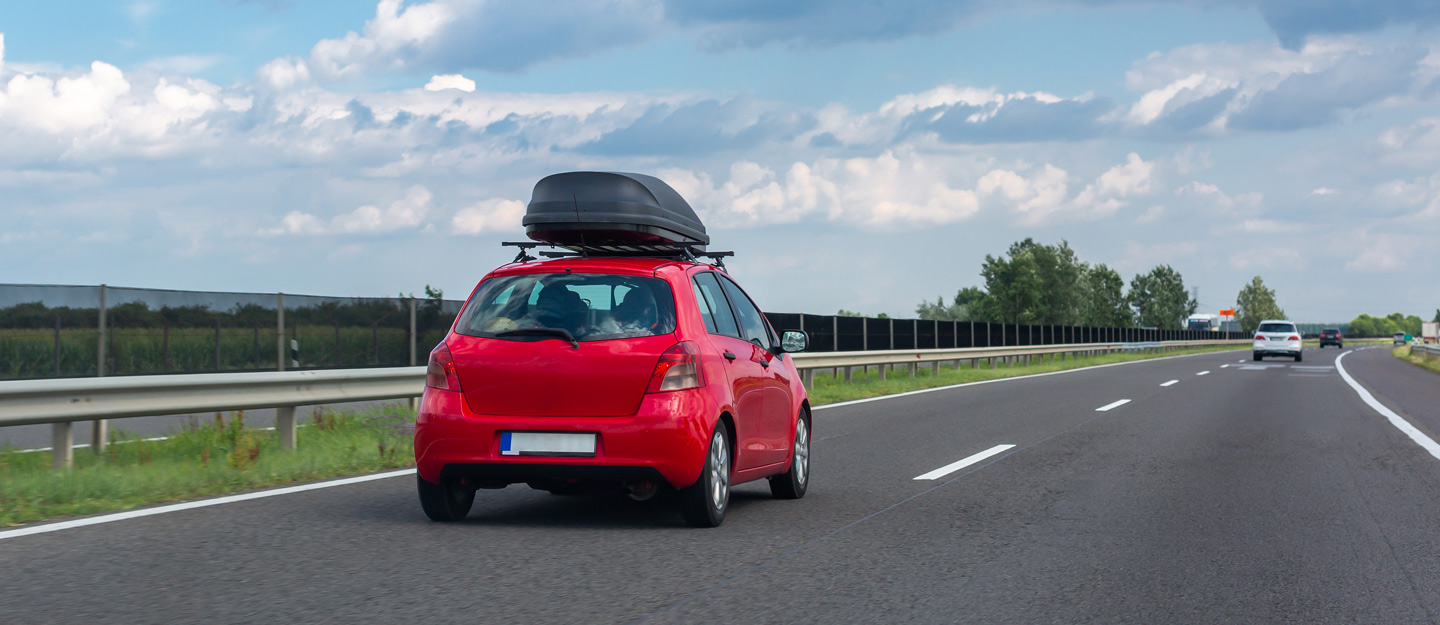
Roof Racks and Cargo Boxes
Roof racks and cargo boxes offer additional storage space, making it easier to transport gear and luggage.
Negative Impact on Aerodynamics
Such add-ons significantly increase drag by disturbing the smooth airflow over the car’s roof, resulting in decreased fuel efficiency and increased wind noise. The larger the roof rack or cargo box, the greater the negative impact on aerodynamics.
However, some aerodynamically shaped cargo boxes can help mitigate some of the drag, but they will never be as efficient as not having one.
Instead of roof racks, try opting for rear-mounted carriers. These can sometimes be more aerodynamically efficient than roof-mounted options, as they do not disrupt the airflow over the top of the vehicle as much.
Aftermarket Wheels and Tires
Custom wheels and tyres can enhance the vehicle’s appearance and performance under certain conditions.
Positive Impact on Aerodynamics
Some performance wheels are designed to minimise drag by directing airflow more efficiently. These often feature smooth surfaces or designs that channel air more effectively.
Negative Impact on Aerodynamics
The different types of tyres including larger or wider tyres can increase rolling resistance and create turbulence around the wheel wells, leading to higher drag and reduced fuel efficiency.
When considering aftermarket wheels and tyres, paying attention to the design is important. Closed or covered designs are typically more aerodynamic. Additionally, while wider tyres may improve grip, they often increase drag, compromising fuel efficiency. Choosing lightweight materials for wheels can help reduce the vehicle’s overall weight, improving efficiency and mitigating some negative aerodynamic effects.
Rear Diffusers
Rear diffusers are designed to improve the vehicle’s underbody airflow, reducing drag and increasing downforce.
Positive Impact on Aerodynamics
Properly designed rear diffusers can significantly reduce drag and increase downforce, improving stability and performance. Rear diffusers help to manage the air exiting from under the vehicle, smoothing it out and reducing turbulence.
Negative Impact on Aerodynamics
Ineffective diffusers may not achieve the desired airflow separation, reducing their effectiveness and potentially increasing drag.
It is important to note that the angle of the diffuser elements is critical to ensure optimal airflow management. Moreover, positioning of rear diffusers relative to other aerodynamic elements like spoilers and body kits is essential for maximum efficiency.
FAQs
What factors affect the aerodynamics of a vehicle?
Factors affecting vehicle aerodynamics include the shape and design of the body, the presence of add-ons and the design of the wheels and tyres, among others. Each of these elements influences how air flows around the vehicle, impacting drag and lift.
How can aerodynamics be used to improve the performance of vehicles?
The impact of aerodynamics on vehicle performance can be reduced by lowering drag, which enhances speed and fuel efficiency. Moreover, optimising downforce increases traction and stability. Streamlined designs, aerodynamic add-ons and smooth underbody treatments are some of the methods for fuel-saving, fuel efficiency and high performance.
What is the effect of aerodynamic drag and lift on the efficiency of a vehicle?
Aerodynamic drag opposes the vehicle’s movement, reducing speed and fuel efficiency. Higher drag means the engine must work harder, consuming more fuel. Whereas, aerodynamic lift can destabilise a vehicle, reducing traction and handling. As a result, minimising drag and unwanted lift improves overall efficiency, stability and performance.
With this, we conclude our exploration of the effects of vehicle add-ons on aerodynamics. By integrating aerodynamically optimised add-ons, you can enjoy the benefits of reduced drag, increased downforce and improved stability.
Besides, if you want to buy a modern car with high-tech features, sift through these used cars for sale in the UAE to find your ideal ride.
For more tips on how to improve your car’s performance, stay tuned to the dubizzle auto blog.
Related Posts