There are many expenses associated with driving and maintaining a car. One of the expenses you cannot eliminate is the fuel cost. Aside from the fluctuating fuel prices, several other factors influence how much we spend on fuel. While some of these factors are beyond control, many can be managed through smart driving habits and car maintenance. No matter the fuel efficiency rating of the car you drive, there is still a lot you can do to save car fuel.
Fuel-Saving Tips to Follow
Driving habits can have a direct impact on a car’s fuel economy. Small changes can make a huge difference and can help you save a good amount of money every year. Below are some practical tips that will help you save fuel.
and practices have an impact on a car’s fuel economy. Small changes can make a huge difference and will let you save a good amount of money every year. Using fuel saving devices also helps.
1. Avoid idling
Leaving your engine running as you make a quick run to the store is a common practice. As long as the engine is on, it will consume fuel. You can simply save car fuel by turning off the engine before stepping out. Restarting the car engine uses the same amount of fuel as it would if the car is idling for 30 seconds – but we rarely return within 30 seconds. When you are idling for longer durations, it’s best to turn the engine off.
2. Remove unnecessary weight
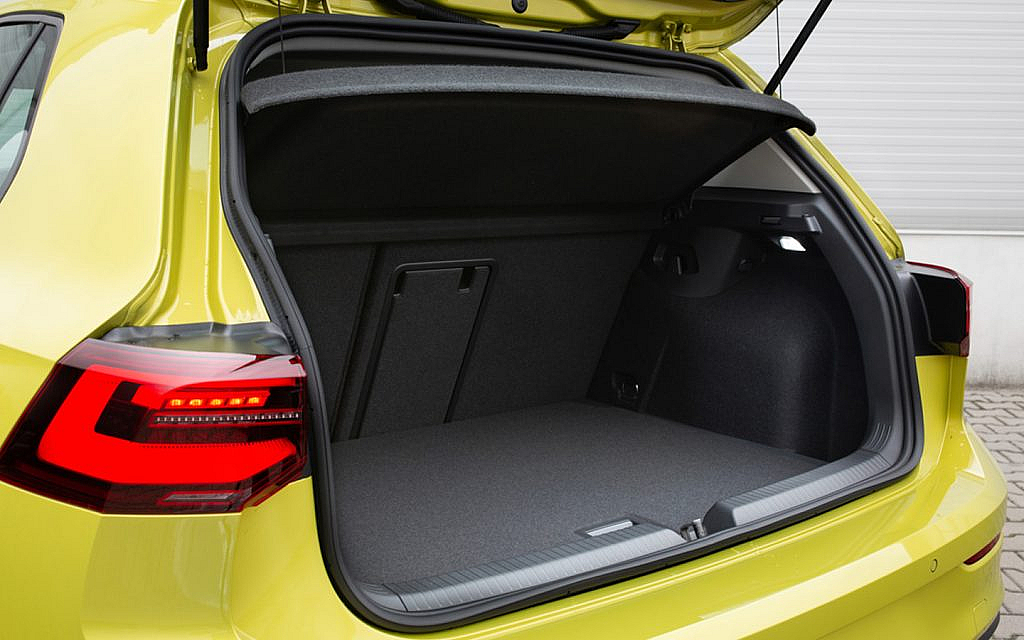
Some people load unnecessary items in the trunk, not realising how it negatively affects the fuel economy. The more weight your car carries, the more fuel it has to burn. This is why cleaning the trunk and removing excess weight is a good way of saving car fuel. Your car gives extra mileage when it’s not loaded with heavy items.

3. Monitor tyre pressure
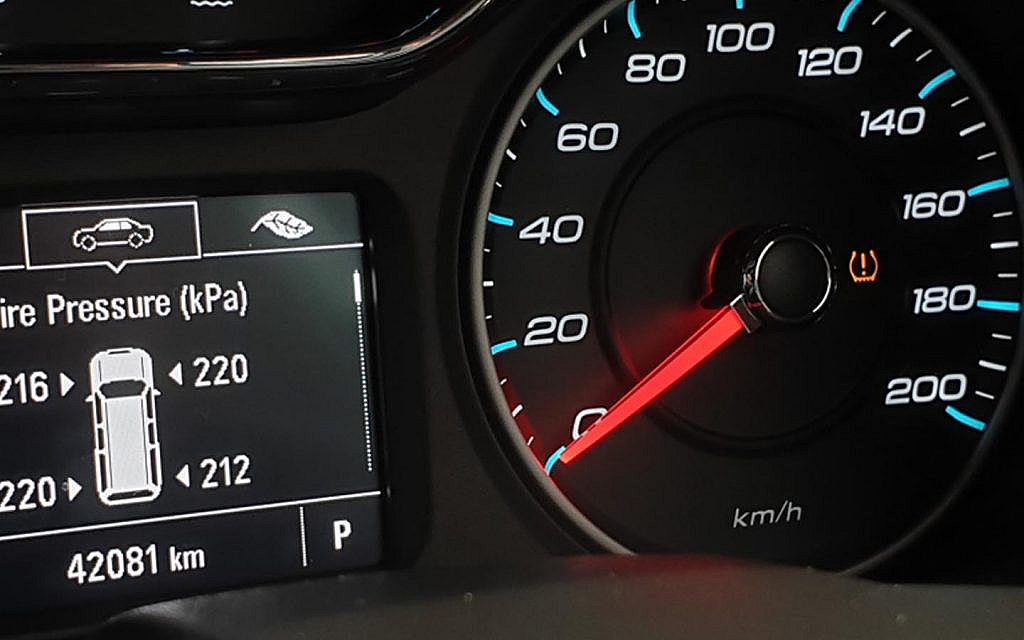
Tyre pressure also has an impact on the fuel economy of a car. Keep the tyres inflated to the level recommended by your car manufacturer. Sometimes drivers ignore the importance of tyre inflation up to the required level and drive with underinflated ones. Naturally, this increases the car’s fuel consumption and also reduces the tyre’s useful life. On the other hand, in addition to saving fuel, correct tyre pressure helps extend the tyre’s life and improve driving safety.
4. Use appropriate fuel
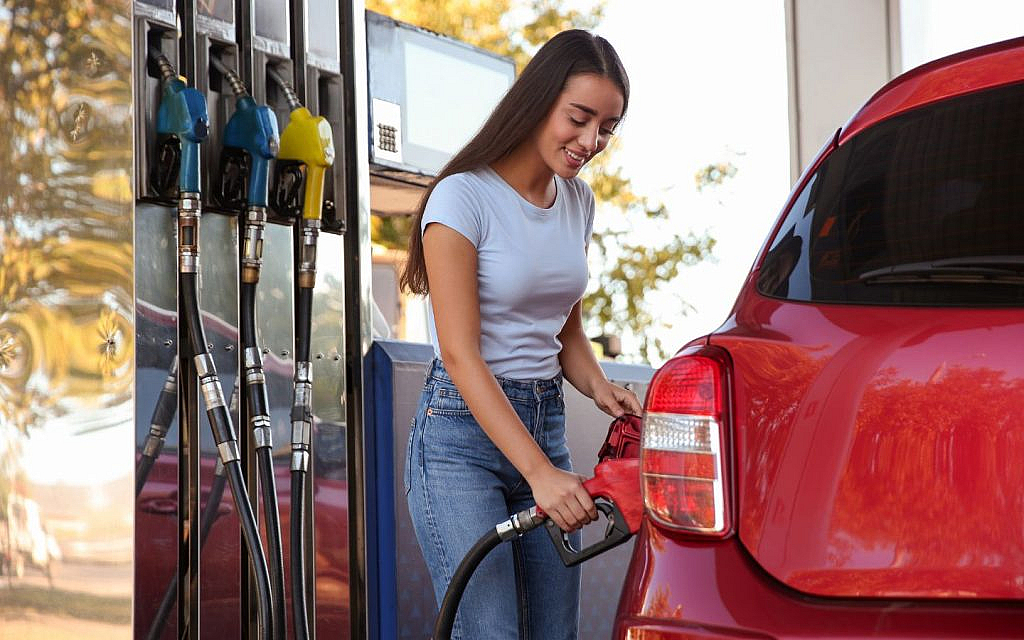
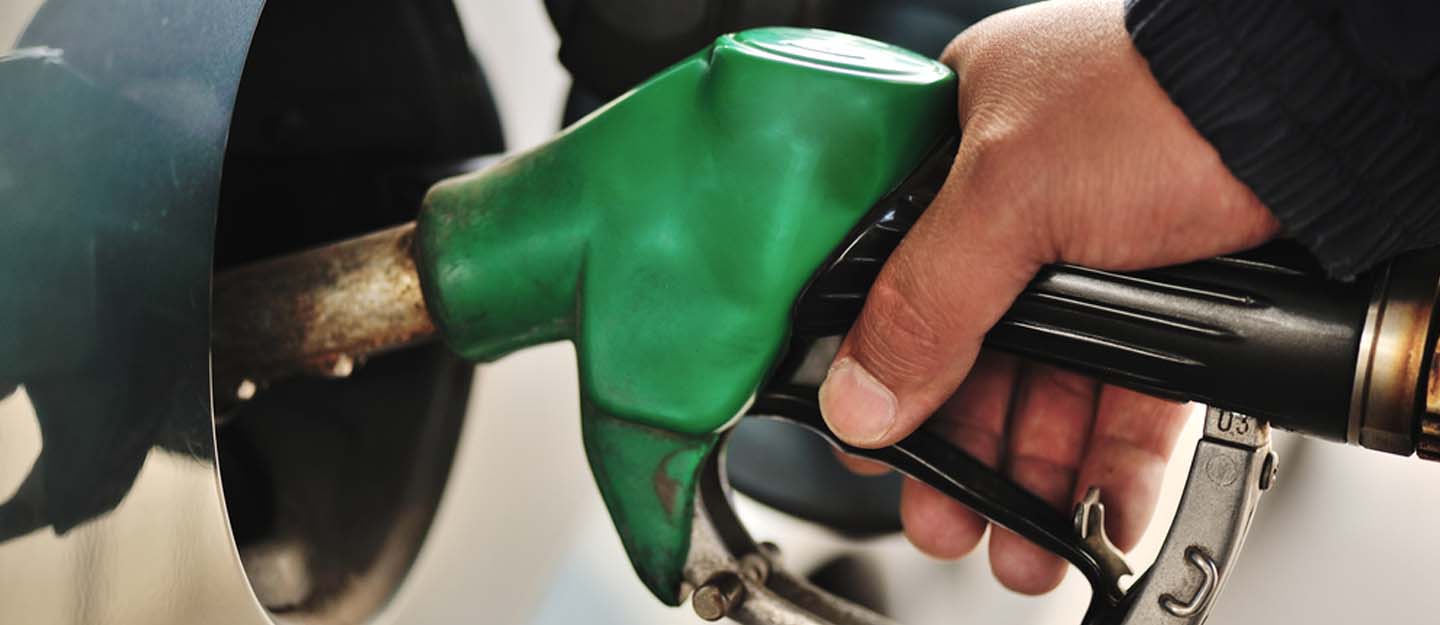
Don’t buy high premium fuel unless it is recommended for the vehicle you drive. Just because it’s expensive doesn’t mean it will do anything for your car. For most cars, regular fuel works just fine and costs much less than premium fuel. Premium fuel is usually recommended for higher-end luxury cars only because their engines are designed to perform their best on that fuel. Using premium fuel for a regular car won’t have any impact on the performance. Moreover, following effective car refueling tips also helps with fuel economy.
5. Observe speed limits

Driving under the UAE speed limit can save lives and fuel. Maintaining a consistent speed and avoiding frequent acceleration or braking helps improve mileage, reducing high fuel consumption. In the UAE, overspeeding can get you into a lot of trouble in the shape of fines and penalties. That is why it is important to stay within the speed limits.
6. Limit AC usage
When it’s pleasant outside, try to avoid using the air conditioner. Car AC puts more load on the engine, resulting in excessive fuel use. Parking in shaded areas also helps keep the cabin cooler, reducing the need for extended AC usage when starting the vehicle.
7. Minimise Drag
Aerodynamics don’t just make your car faster; they also improve fuel consumption. More drag means the engine has to work harder to push the car forward, which in turn burns more fuel.
To get optimum fuel economy, you should keep the wind drag at a minimum by rolling up the car’s windows when driving on a highway. This enables the air to flow on the vehicle’s body instead of drawing inside the cabin and slowing the car down.
8. Anticipate traffic flow
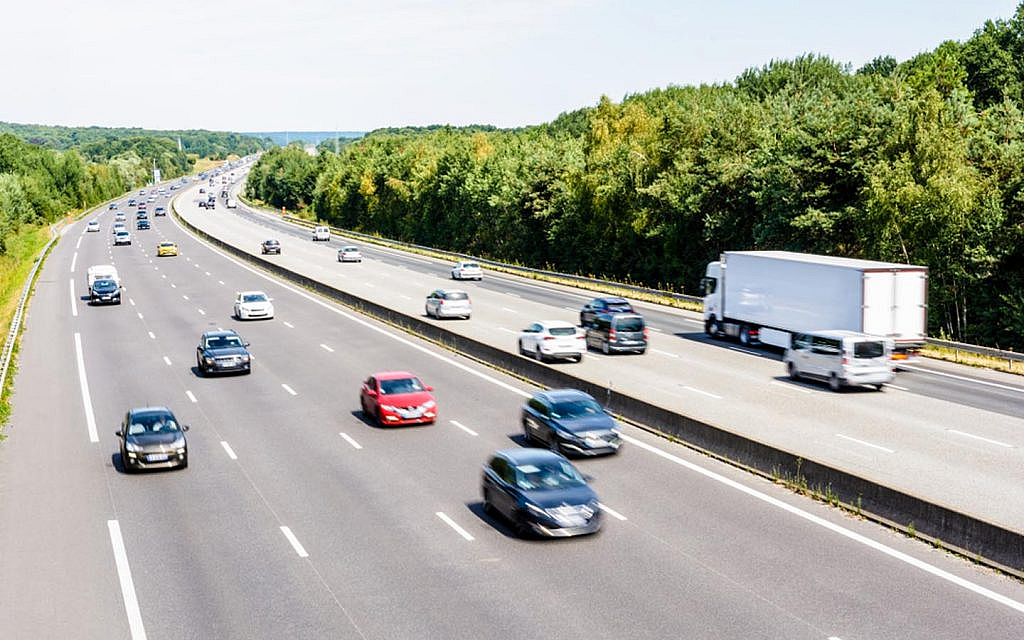
Your car has to stop and start too frequently when driving in a high-traffic area. The trick here is to look at the road ahead and anticipate the traffic conditions. You can plan your manoeuvres and avoid unnecessary accelerating and braking by anticipating how the traffic moves.
Anticipating a change in a traffic light or the need to slow down your car for a curve beforehand also enables drivers to reduce sudden braking. Also, keep in mind that driving at a steady speed in traffic conditions is better to save car fuel instead of burning more fuel to overtake, only to get stuck in the traffic ahead.
9. Use cruise control on highways
Driving with cruise control on highways is a useful fuel-saving tip. On long, open stretches of road, cruise control helps maintain a steady speed, reducing unnecessary acceleration or braking. This consistent driving pattern improves fuel efficiency and makes long-distance travel comfortable.
10. Keep Your Vehicle Maintained
Maintaining your car regularly and replacing car parts according to the manufacturer’s suggestion only keeps your car healthy. Delaying servicing leads to reduced car performance and higher fuel consumption over time.
A well-maintained car not only reduces fuel consumption but also performs more efficiently than a poorly maintained vehicle.
FAQs
What are some effective fuel-saving tips for cars?
Effective fuel-saving tips include maintaining steady speeds when driving, keeping tyres properly inflated, avoiding unnecessary weight in the vehicle, limiting use of the air conditioner, using the right type of fuel and keeping up with regular car maintenance schedules.
Does driving speed affect fuel consumption?
Yes, driving speed affects a vehicle’s fuel consumption. Maintaining a steady and moderate speed improves fuel efficiency. On the other hand, sudden acceleration, braking and overspeeding result in more fuel consumption.
How does regular car maintenance help save fuel?
Regular maintenance ensures the engines, tyres and other car components are functioning properly. Well-maintained cars use less fuel compared to vehicles with neglected servicing or worn-out parts.
A car that is well-maintained will have better fuel economy than a car that only gets servicing after breaking down. That said, fuel consumption also depends on the type of vehicle. Some cars consume more fuel than others. In such cases, switching to fuel-economical used cars is a wise option. Here are some used cars for sale in the UAE for those looking to make that change.
Stay tuned to UAE’s favourite auto blog for more tips on keeping your car healthy, a car’s anatomy, tips and much more.
Related Posts