With fluctuating fuel prices and increasing demand for economical vehicles, fuel efficiency has become one of the biggest deciding factors for car buyers in the UAE. Among the various car types, SUVs and sedans are by far the most popular choices in the UAE. SUVs are popular for their commanding road presence, spacious interiors and ability to handle different terrains, while sedans are known for their smooth driving experience and practicality.
Understanding SUV vs sedan fuel economy can help you choose the right vehicle based on your driving needs and budget.
Basic Difference Between SUV and Sedan
SUVs and sedans have proven to be an effective way of transportation, offering unique advantages to their owners. Before comparing fuel economy, it is important to understand how SUVs and sedans differ in terms of design, size and performance.
Sedan
A sedan has a traditional three-compartment configuration, separate for engine, passenger and boot space. It has four doors and can seat up to 4-5 passengers. Different automakers design sedan car body types in sizes ranging from small to large or compact. Some of the most popular used sedans in the UAE are Mercedes-Benz S-Class, Mercedes-Benz C-Class, Toyota Camry and Nissan Altima
SUV
SUVs offer spacious interiors, high ground clearance and performance-oriented features that make them a popular choice for off-roading and long drives. Their ability to handle rough terrains and varying road conditions adds to their practicality for many drivers in the UAE. Nissan Patrol, Toyota Land Cruiser, Mercedes-Benz G-Class and Land Rover Range Rover are some of the popular used SUVs in the UAE.
Factors Affecting SUV vs Sedan Fuel Efficiency
Fuel economy is the distance travelled by a car in a specific quantity of fuel. The less fuel a car uses, the better its fuel economy. Choosing a fuel-saving car or adopting fuel-efficient driving techniques can lessen your fuel expenses. In this case, both SUVs and sedans have been popular choices in the UAE.
Fuel efficiency depends on much more than just vehicle size. Several engineering and driving factors influence how much fuel a car consumes.

1. Displacement
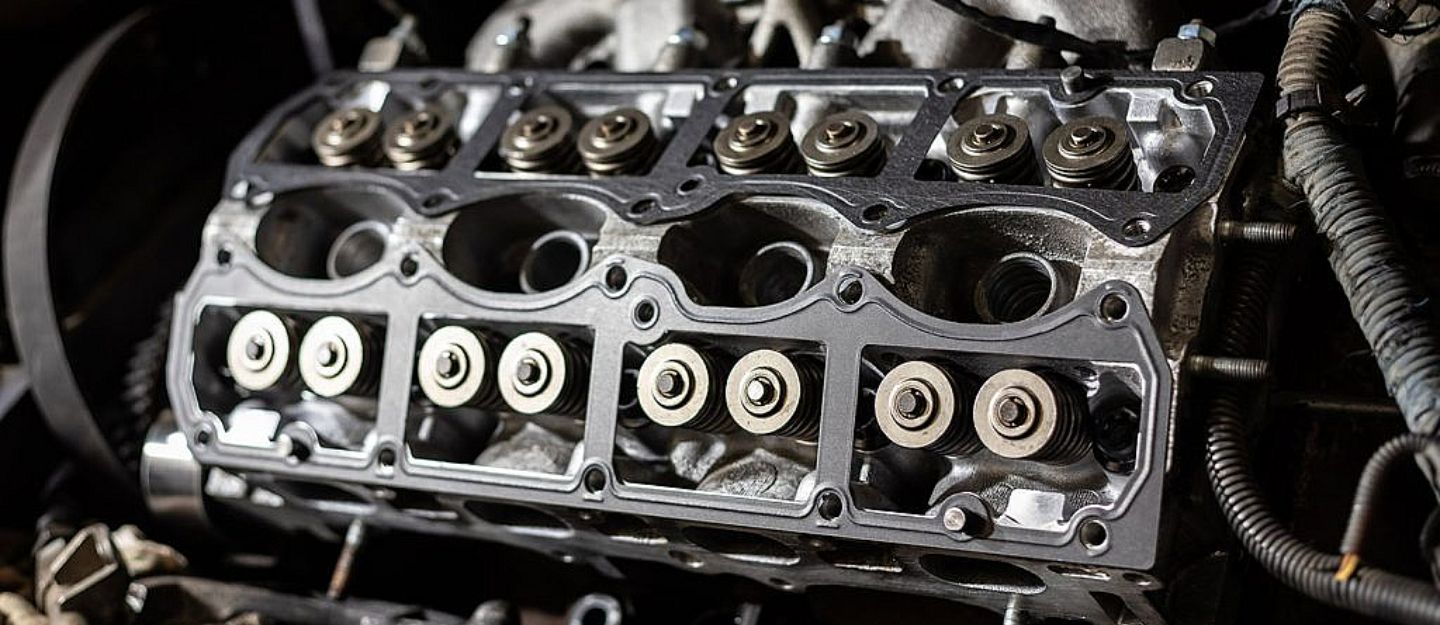
Engine displacement refers to the volume of air and fuel an engine uses during operation. Vehicles with larger engines consume more fuel because they generate more power.
While many vehicles are powered by a four-cylinder or V6 engine, sports cars or bigger trucks are equipped with V6 or V8 engines. The more cylinders an engine has, the more air volume is required; consequently, more fuel is consumed. Four-cylinder engines are considered more fuel-efficient than higher engines.
2. Weight

Weight plays a major role in determining fuel consumption. Sedans are often designed to be lighter than SUVs because they:
- Have smaller dimensions
- Use lighter chassis structures
- Feature lower ride heights
This can contribute to improved fuel efficiency during daily city driving.
SUVs, especially full-size models, are heavier due to:
- Reinforced body structures
- Larger cabins
- Bigger wheels and tyres
- Additional drivetrain components
However, many automakers now use lightweight materials and modern technology to improve SUV fuel economy.
3. Aerodynamics
Aerodynamics affects fuel consumption by influencing how easily a car moves through the air. As the speed increases, air resistance, also known as drag, increases and requires more energy to overcome. This impacts fuel efficiency, acceleration, top speed and handling.
Drag is measured using a drag coefficient. A lower drag coefficient means better aerodynamic efficiency and lower fuel consumption.
To reduce drag, automakers improve a vehicle’s design through features such as:
- Smaller front grilles to reduce frontal pressure
- Lower ground clearance to limit airflow under the car
- Rear screens and other aerodynamic elements
4. Mechanical Resistance
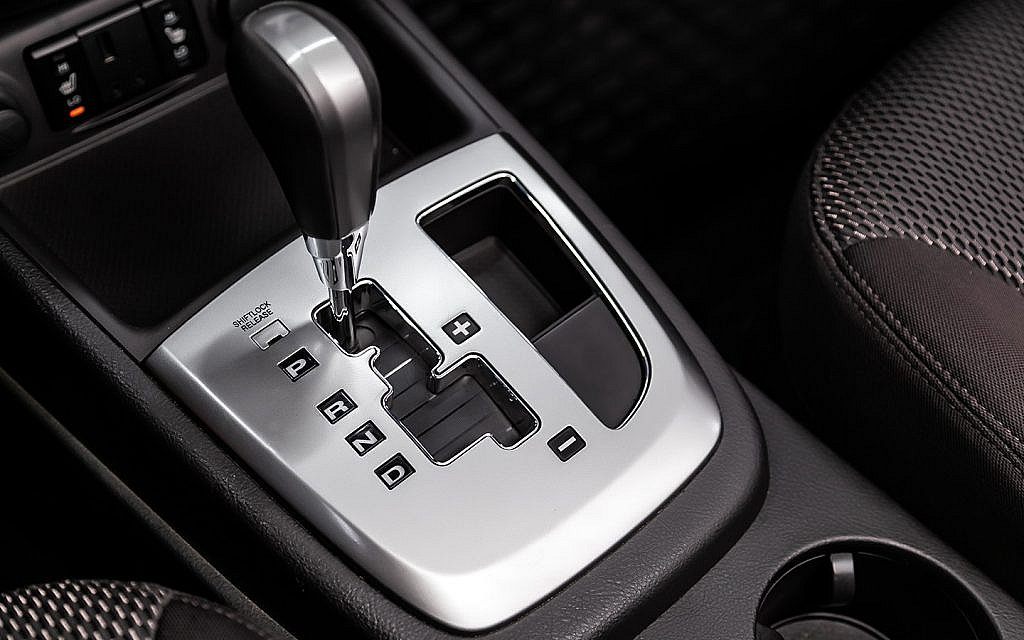
Mechanical resistance refers to the energy required to move the components within a vehicle’s drivetrain. As some energy is lost while overcoming this resistance, not all of the engine’s power reaches the wheels.
Vehicles with automatic transmissions experience higher mechanical resistance than those with manual transmissions. As a result, manual transmissions offer better acceleration and fuel efficiency.
Fuel Economy Comparison: SUV vs Sedan
Fuel efficiency is influenced by several factors, including vehicle weight, engine size, aerodynamics and driving technology. Traditionally, sedans have offered better fuel economy because they are lighter, smaller and more aerodynamic than SUVs. Their streamlined design helps reduce air resistance, allowing them to consume less fuel during daily driving.
SUVs, on the other hand, are typically larger and heavier. Many models also come with bigger engines and additional drivetrain systems, which can increase fuel consumption. However, advancements in automotive engineering have improved the fuel economy of modern SUVs, particularly compact crossovers and hybrid models.
Today, both sedans and SUVs are available in hybrid, plug-in hybrid and fully electric variants, narrowing the gap in fuel efficiency between the two body types. As a result, fuel economy now varies significantly depending on the specific model, engine configuration and technology used rather than the vehicle category alone.
FAQs
Which is more fuel-efficient, an SUV or a sedan?
In general, sedans are more fuel-efficient than SUVs.
Why do SUVs have lower fuel economy than sedans?
SUVs have lower fuel economy due to their larger size, heavier weight and often more powerful engines.
Are there fuel-efficient SUVs on the market?
Yes, there are fuel-efficient SUVs in the market, especially among hybrid, plug-in hybrid and electric models.
When comparing SUV vs sedan fuel economy, there is no one-size-fits-all answer. Sedans are often associated with better fuel efficiency due to their lighter and more aerodynamic design, while SUVs offer added practicality, space and performance that many drivers value. With advancements in automotive technology, both body types now come in fuel-efficient petrol, hybrid and electric variants, making the choice more dependent on your driving needs, lifestyle and budget.
If you’re exploring your options further, here are some used sedans for sale in the UAE. You can also check out used SUVs available in the Emirates that suit different driving preferences.
Stay tuned to the UAE’s top auto blogs for more information on fuel economy in cars.
Related Posts