Safety protocols in the National Association for Stock Car Auto Racing (NASCAR) protect drivers, crews and fans in a high-speed racing environment. Over the years, the sport has introduced strict regulations, advanced car designs, improved track barriers and mandatory safety gear to reduce risks. These measures ensure that while the competition remains intense, driver protection remains a top priority.
A List of NASCAR Safety Measures
In its early years, stock car racing prioritised speed and competition, with safety measures evolving alongside the sport’s growth. Over time, technological advancements and key moments accelerated innovation.
Following the 2001 Daytona 500, where racing legend Dale Earnhardt made his final start, the sport introduced major safety developments. These changes in NASCAR sparked a new era of engineering innovation and driver protection that continues to shape modern racing today.
The Next Gen Car and Structural Safety
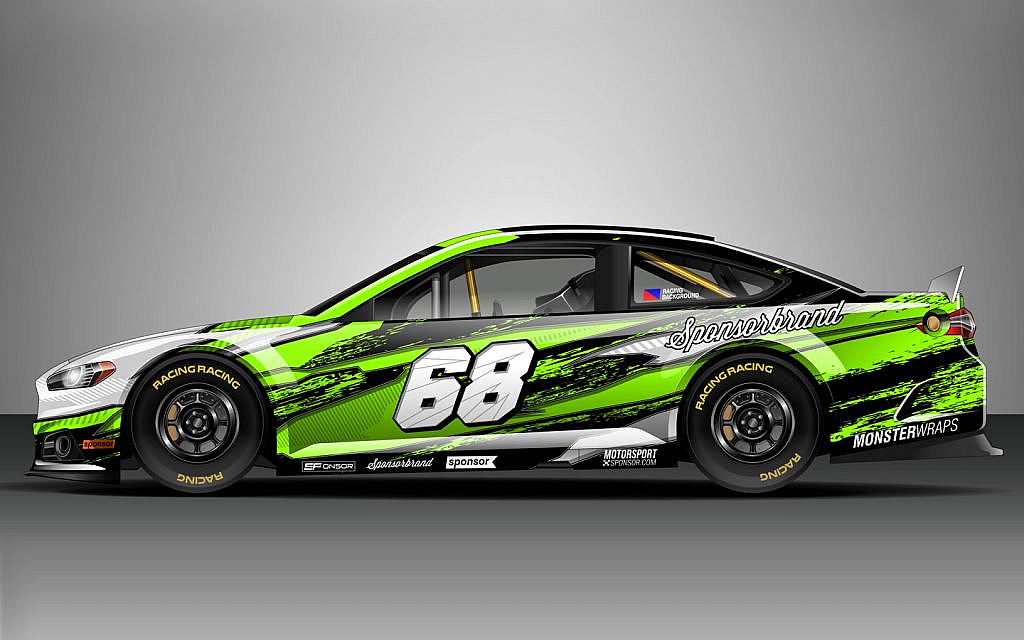
One of the most significant developments in recent years is the introduction of the Next Gen race car. Designed with safety as a core priority, it features:
- A reinforced roll cage
- Energy-absorbing foam inside the doors
- Stronger chassis construction
- Independent rear suspension for improved crash stability
The car is engineered to absorb and distribute crash forces more effectively, helping reduce the impact transferred to the driver.

SAFER Barriers on Tracks
Track safety has improved alongside car design. Most NASCAR circuits now use SAFER (Steel And Foam Energy Reduction) barriers along walls. These barriers absorb and dissipate energy during impacts, significantly lowering the forces experienced by drivers. This innovation has prevented countless serious injuries and is considered one of the most important safety protocols in NASCAR racing.
Window Nets
Window nets are one of the crucial NASCAR crash safety features that protect drivers during crashes. Mounted on the driver’s side window, the mesh net prevents the driver’s arms or debris from extending outside the car during impact or rollover incidents. Made from strong, fire-resistant materials, window nets can be quickly released by safety crews if needed, balancing protection with rapid emergency access.
Driver Protective Equipment
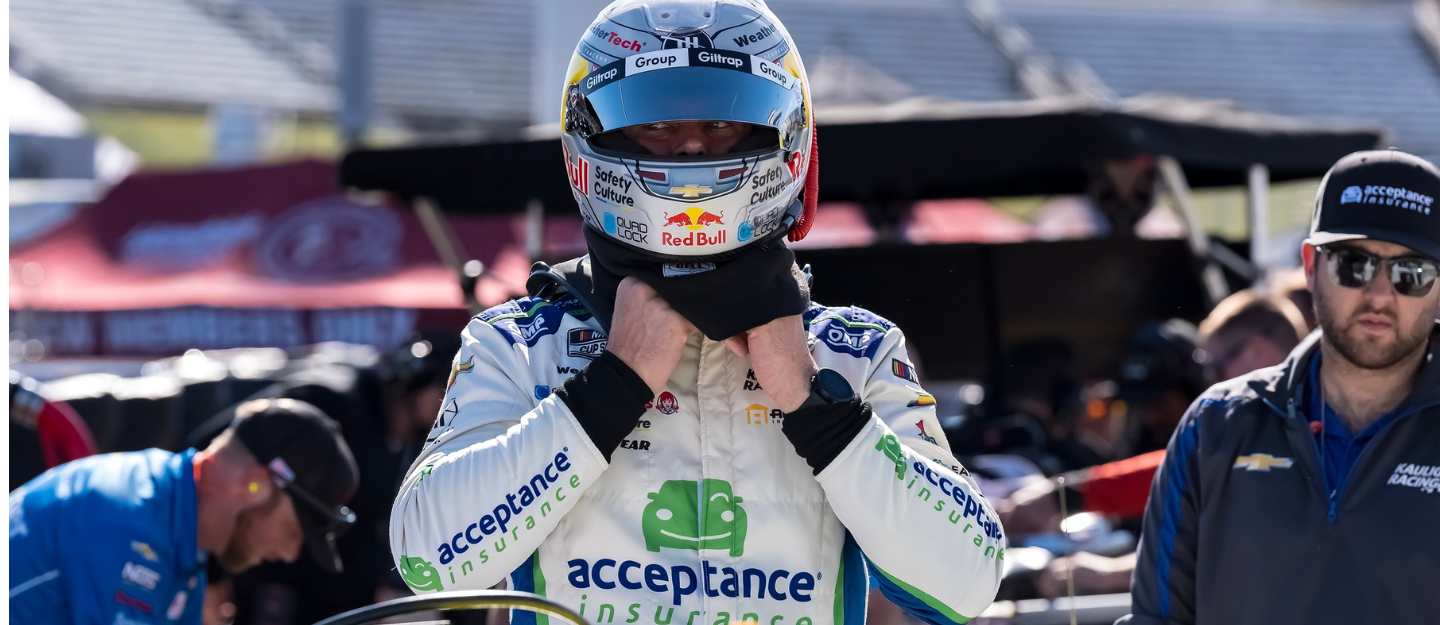
Driver gear in this type of car racing has also advanced significantly. Today’s NASCAR racing safety equipment for drivers includes:
- Fire-resistant multi-layer suits
- Full-face helmets
- Head and neck restraint systems (HANS devices)
- Energy-absorbing seats
The HANS device, in particular, has significantly improved survival rates in severe crashes. It prevents excessive head movement during sudden deceleration, dramatically reducing the risk of fatal head and neck injuries.
Data and Real-Time Monitoring
Modern NASCAR vehicles are equipped with crash data recorders. These systems collect information during impacts, helping engineers analyse crashes and improve future designs. Medical teams also receive instant alerts if a crash exceeds certain force thresholds, allowing faster and more informed emergency responses.
In addition, NASCAR maintains fully equipped infield care centres at every race venue. They are staffed with trained medical professionals ready to respond within seconds.
Pit Stop Safety
NASCAR pit lane safety rules are strictly regulated to protect both drivers and crew members during high-pressure tyre changes and refuelling. Pit crew members wear fire-resistant suits, helmets and gloves, while specific rules control pit lane speed and positioning to prevent collisions. NASCAR also enforces designated pit boxes and timing penalties to reduce chaos.
FAQs
What safety equipment do NASCAR drivers wear?
Drivers wear fire-resistant suits, full-face helmets, gloves, racing shoes and a HANS device.
What are SAFER barriers in NASCAR?
SAFER (Steel and Foam Energy Reduction) barriers are protective walls installed around tracks to absorb and reduce the impact force during crashes.
Are medical teams present at every race?
Yes, fully equipped medical teams and emergency response units are on-site at every race to provide immediate assistance if needed.
Safety protocols in NASCAR racing are the result of constant innovation, engineering progress and a commitment to protecting competitors. From reinforced race cars and advanced barriers to cutting-edge protective gear and medical response systems, the sport has made significant progress. While speed and adrenaline remain central to the sport, NASCAR driver safety standards are now equally at the forefront of every race. In addition, those seeking an exhilarating driving experience can explore a wide range of sports cars for sale in the UAE.
However, those looking for a ride for their daily commute can check out these new cars for sale in the UAE.
To learn more about safety protocols in different car races, keep reading dubizzle’s autos blog.
Related Posts