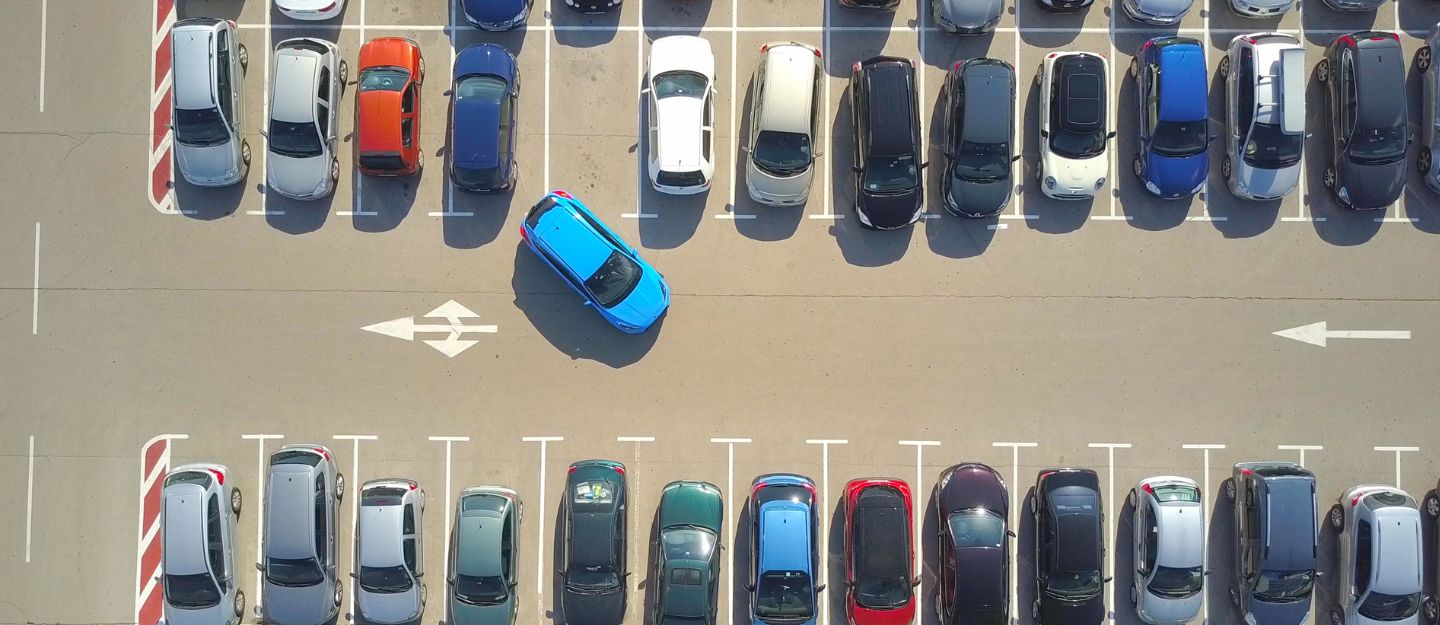
Reverse parking in tight spaces or busy parking lots can be challenging for both new and experienced drivers. However, it is an important skill to master. Parking in reverse provides better visibility when leaving the spot, reduces the risk of accidents and makes navigating traffic easier. With the right techniques and regular practice, you can learn to reverse park your car safely, efficiently and with confidence every time.
Why Choose Reverse Parking
Reverse parking has multiple advantages, such as:
- Easier Departure: Leaving your spot becomes safer and more convenient as you have a clear view of oncoming traffic and pedestrians when pulling out.
- Enhanced Safety: Reduces the risk of collisions with obstacles or moving vehicles when exiting the spot.
- Better Control: Backing into a space allows for more precise manoeuvring, especially in tight areas, giving you greater confidence as a driver.
Steps to Reverse Park Your Car Easily
Learning how to easily reverse park your car can feel intimidating at first, but with the right approach, it becomes simple and stress-free. The key is to take it slow and follow a clear process. Here are the steps to help you master reverse parking with confidence.
Find the Right Spot
Choose a parking bay that is at least 1.5 times the length of your car. More space makes reversing easier, especially for beginners. Ample space makes the manoeuvre easier, especially for beginners.

Position Your Vehicle
Pull forward until your rear bumper aligns just beyond the parking spot you intend to reverse into. This typically means stopping one to two spaces ahead.
Use Your Mirrors and Signals
Check your surroundings for other vehicles or pedestrians. Use your turn signal or hazard lights to indicate your intention to reverse into the spot. Continuously monitor your side and rear mirrors throughout the process.
Start Reversing and Turning the Wheel
Engage reverse gear and slowly manoeuvre backwards, turning the steering wheel sharply towards the parking space (typically a full turn to the left for a spot on your left). Keep an eye on your rearview and side mirrors.
Align Using Reference Points
Use the parking lines visible in your mirrors as a visual guide. Align these lines with specific points on your car’s mirrors or body. Once your car forms an angle of roughly 45 to 90 degrees with the parking bay, straighten your steering wheel to position your car parallel within the space.
Adjust and Centre the Car
Reverse slowly into the bay, keeping your car between the lines. If necessary, pull forward and adjust your steering to straighten up. Make sure your car is centred and not too close to other vehicles.
Final Alignment and Parking
Back into the spot until your car is completely inside the parking lines and the front end is clear of the driving lane. Adjust your alignment by moving forward and reversing as needed.
FAQs
Are parking sensors helpful for reverse parking?
Yes, parking sensors are helpful for reverse parking as they alert you to nearby obstacles, reducing the risk of collisions.
What should I check before reversing into a parking spot?
Before reversing into a parking spot, check your mirrors, blind spots and surroundings for pedestrians, vehicles and obstacles.
Is reverse parking difficult to learn?
Reverse parking can seem difficult at first, but with practice and the right technique, it becomes easy and manageable.
Reverse parking is an essential skill that improves safety and makes exiting easier. By following these reverse parking tips, you can master the process and park confidently in any situation. Furthermore, to save time, take advantage of apps to find parking in the UAE, especially in high-traffic areas. Combining these tools with good parking habits will make your driving experience smoother and stress-free.
If you are looking to upgrade your vehicle, explore these used cars for sale in the UAE. For brand new rides, go through these new cars for sale in the UAE.
For more driving tips and tricks, stay tuned to the UAE’s top auto blog.
Related Posts