- How EV Heat Pump Functions
- Why EV Has a Heat Pump
- Working and Components
- Heat Pump vs Resistive Heat Pump
- Heat Pump Limitations
- FAQs
A heat pump in an EV is a heating and cooling technology that improves cabin comfort while consuming less battery energy than traditional electric heaters. It has become increasingly common because it helps extend the driving range and increases the overall EV efficiency.
How a Heat Pump in an EV Functions
A heat pump in an electric vehicle is a system that transfers heat from one place to another instead of generating heat directly. It works similarly to a car air conditioner, but it can run in reverse to heat the cabin.
Instead of using a high-power resistive heater, like an electric coil, the electric car heat pump extracts heat from the outside air, even when it’s cold and moves it into the cabin.
Why EVs Use Heat Pumps
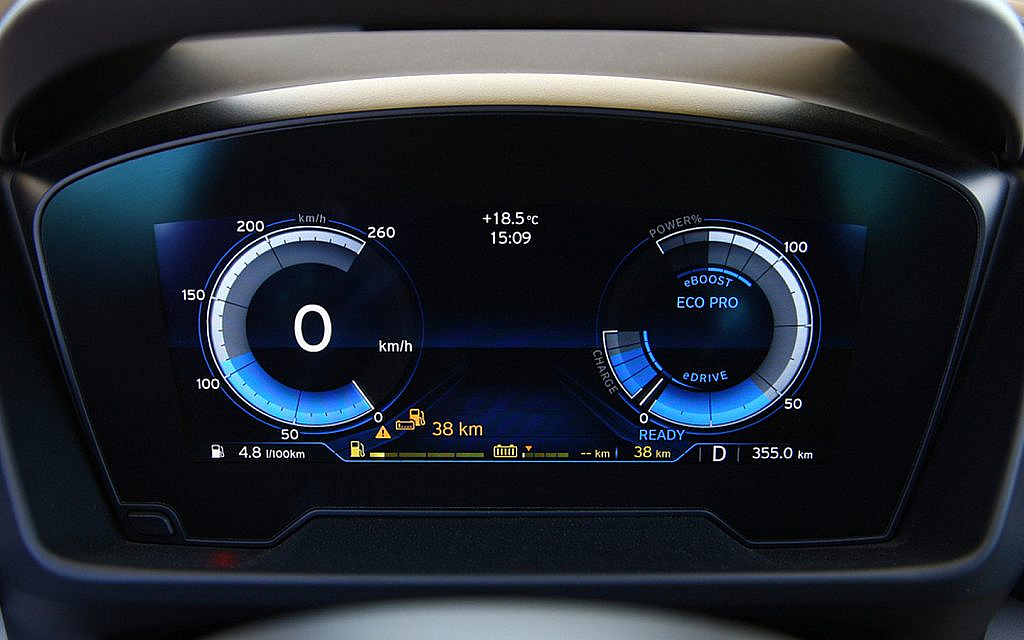
Heating is one of the largest energy drains in an EV because there is no engine energy wastage like in petrol or diesel cars. The key advantage is that a heat pump can provide more heat per unit of electricity used.
EV Heat Pump Working and Components
The EV heat pump working principle is based on the refrigeration cycle.

A typical EV heat pump system includes:
- Compressor
- Condenser
- Expansion valve
- Evaporator
- Refrigerant (working fluid)
- Valves and sensors (to control direction and pressure)
Heating Mode
In heating mode, the functionality of the component of the EV heat pump includes:
- The refrigerant absorbs heat from outside air through the evaporator.
- The compressor compresses the refrigerant, raising its temperature.
- The hot refrigerant releases heat into the cabin through the condenser.
- The refrigerant expands and cools down, repeating the cycle.
In many EVs, the system reverses the process to act like a normal air conditioner.
Heat Pump vs Resistive Heater in an EV Heating System
An EV can heat the cabin in two main ways:
Resistive Heater
- Converts electricity directly into heat
- Simple and reliable
- High battery consumption
Heat Pump in Electric Vehicle
- Moves heat instead of creating it
- Lower battery consumption
- More complex and costlier
This is why many manufacturers use a heat pump as the primary EV heating system, sometimes with a resistive heater as backup in extreme cold.
The EV heat pump efficiency is typically measured using COP (Coefficient of Performance). A resistive heater has a Coefficient of Performance (COP) of around 1.0 (1 unit of electricity = 1 unit of heat). A heat pump can have a COP of more than 1.0, depending on temperature and design. As a result, a heat pump is more efficient than a resistive heater and delivers more heat than the electricity it consumes.
Heat Pump Role in Battery Heating and Thermal Management
Many modern EVs use the EV heat pump system not only for the cabin, but also for:
- Warming the EV battery for fast charging
- Cooling the battery under load
- Maintaining battery temperature for performance
There is also the electric vehicle Battery Management System (BMS) that works in synchronisation to improve the efficiency.
Common EV Heat Pump System Limitations
Even though it is efficient, a heat pump has limitations:
- Less effective in cold temperatures
- Higher complexity (more components and control systems)
- More expensive to repair than a basic resistive heater
- May require backup heating in very low temperatures
A heat pump in an EV is one of the most important technologies for improving driving range. By transferring heat instead of generating it directly, an electric car heat pump can significantly reduce battery drain for maintaining cabin temperatures.
FAQs
Are heat pumps better than resistive heaters in EVs?
Yes, heat pumps use less electricity for cabin heating and improve driving range compared to resistive heaters, which can work better in cold temperatures.
Do all electric cars have a heat pump?
No, some EVs use only resistive heating, while others offer a heat pump as standard or an optional feature.
Does a heat pump heat the battery in an EV?
Yes, the heat pump is integrated into the thermal system to heat or cool the battery for thermal management.
When buying a new or a used EV for sale in the UAE, check for these temperature management features. The incorporation of thermal management systems directly impacts the efficiency and driving range of an electric car.
For more information on electric car heating technology, stay connected to the UAE’s favourite auto blog.
Related Posts