- Separate The Parts
- Prepare The Surface
- Sand Properly
- Use Textured Paint
- Clean Workspace
- Painting Process
The plastic parts of your car have high elasticity and flexibility, meaning they can deform easily and return to their original shape. However, this may result in cracking of the paint, deteriorating the overall appeal of your car.
To prevent this, painting the affected parts can do wonders to make your car look new and shiny again. The car painting process is straightforward and will be a success if you keep some tips in mind. All you need is the right set of tools, paint, instructions and some DIY tips to get your car back to life.
Let’s look at some helpful tips for painting plastic car parts efficiently.
Tips to Paint Plastic Car Parts Efficiently
Some aspects require your attention when painting plastic car parts. They play an important part in getting the desired outcome.
The painting plastic car parts DIY tips mentioned below can be a huge help.
Separate the Plastic Parts to be Painted
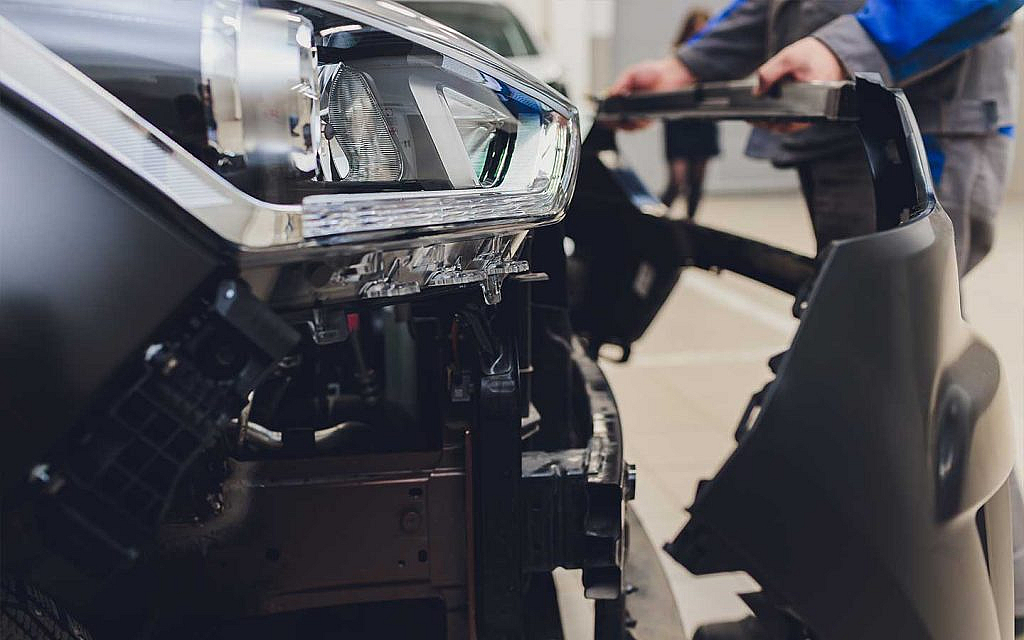
Often the plastic parts are located around the metal sheet parts that are likely to get damaged if you’re being negligent. To avoid the inconvenience, it is best to detach the plastic parts before starting the car painting process. This way you can concentrate more on painting than keeping the surrounding parts out of harm’s way.
However, in some cars, removing plastic parts is not an option. In this case, using tape to cover the surrounding area is the best plan of action.
Prepare the Plastic Surface Before Painting
Prepare the surface before initiating the plastic car part painting. You may have to opt for fillers to remove car dents and scratches. Furthermore, there is a variety of plastic used in a car so preparing each part according to its type will ensure the finest finish. The parts that have been previously painted require the removing the paint so that the new layer can stick properly.

After that, move on to sanding which is the initial step in painting any surface. It will help you even out the surface and eliminate tiny faults that may not be seen through the naked eye. Moreover, sanding facilitates more surface area which assists in the effective absorption of the car paint. Once sanding is complete, rinse the plastic part to get rid of the residue.
Use Sandpaper Adequately
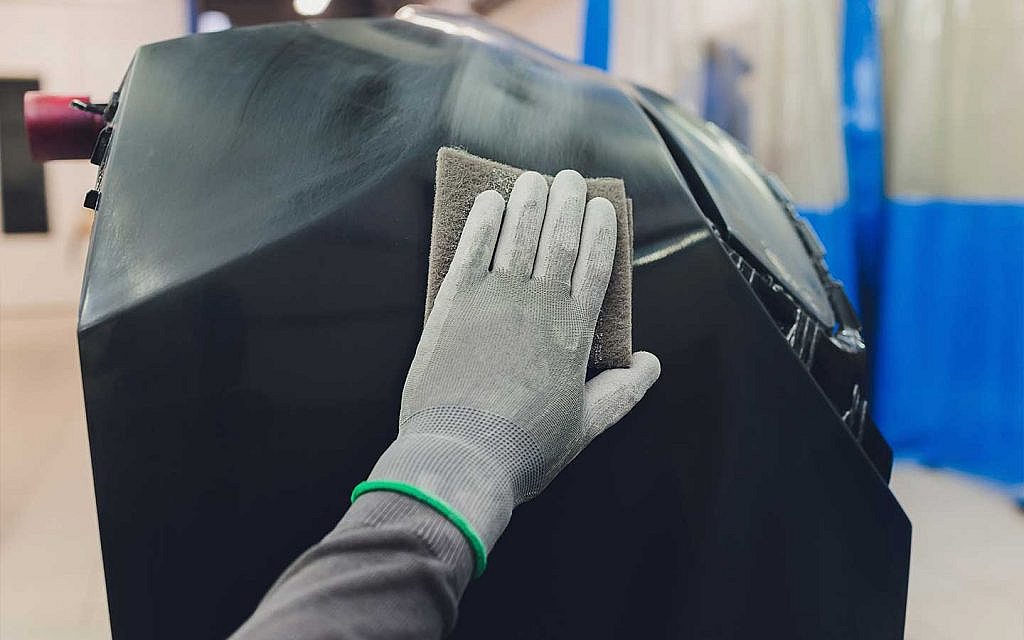
If you want to avoid scratching plastic, you must make proper use of sandpaper. Wet sanding the plastics with fine-grit sandpaper can get you the perfect results. However, not all sandpapers help with wet sanding plastic surfaces.
Opt for a Plastic Adhesion Promoter
Car adhesives and sealants are an integral part of the automobile industry. Incorporating plastic promotor adhesive will open the pores of your plastic surface. This is because it consists of strong chemicals allowing the paint to be absorbed well. Nevertheless, it should be used independently on a bare and rinsed plastic surface to save the plastic part from damage.
Plastic adhesion promoter guarantees a lasting finish. That said, its application will help the paint to stick when you’re painting plastic car parts.
Use Paints that Contain Texturising Additives
Some parts of the car have a textured look because of their rough surface. You can achieve the original textured look even if you’re painting plastic car parts yourself.
To get your painting job to look the same as a professional one, consider the paints that contain texturising additives. The additives play a significant part in achieving a texture similar to the original one.
Paint in a Clean Workplace
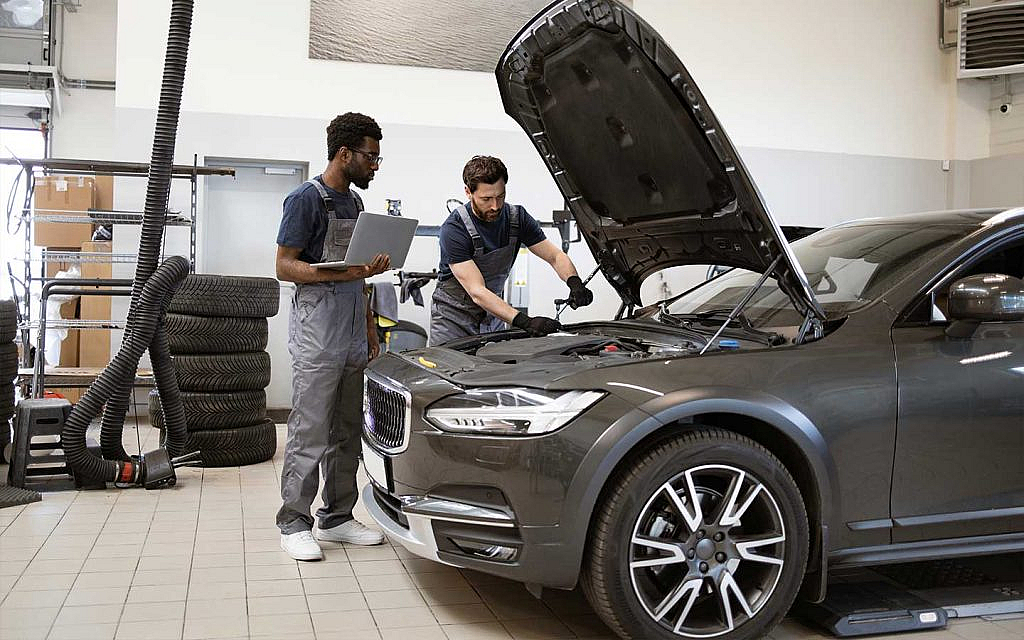
When painting plastic car parts make sure your workspace is ventilated and the atmosphere free from dust or particles that may ruin your paint. Moreover, having ample lighting in the room is vital to ensure that all areas are covered with paint appropriately.
Humidity is one of the reasons why the paint doesn’t stick to the plastic. a, the workspace should not be excessively humid; instead, it should be warm and dry.
Follow a Proper Painting Process
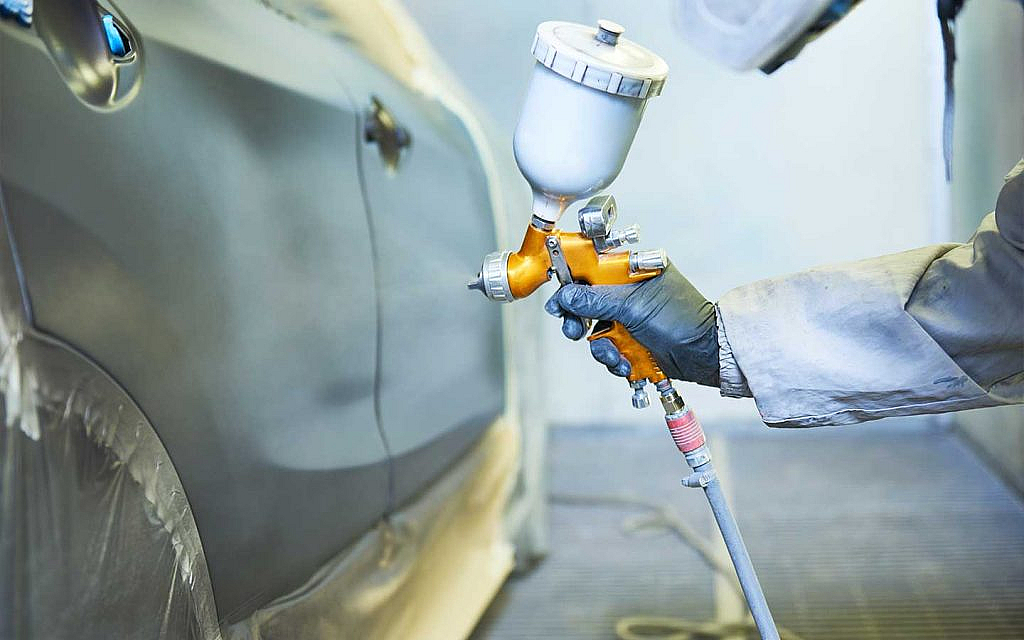
The steps for painting plastic car parts are quite easy to understand. If you follow the steps religiously, the outcome will be satisfactory.
Step 1: Prime the surface
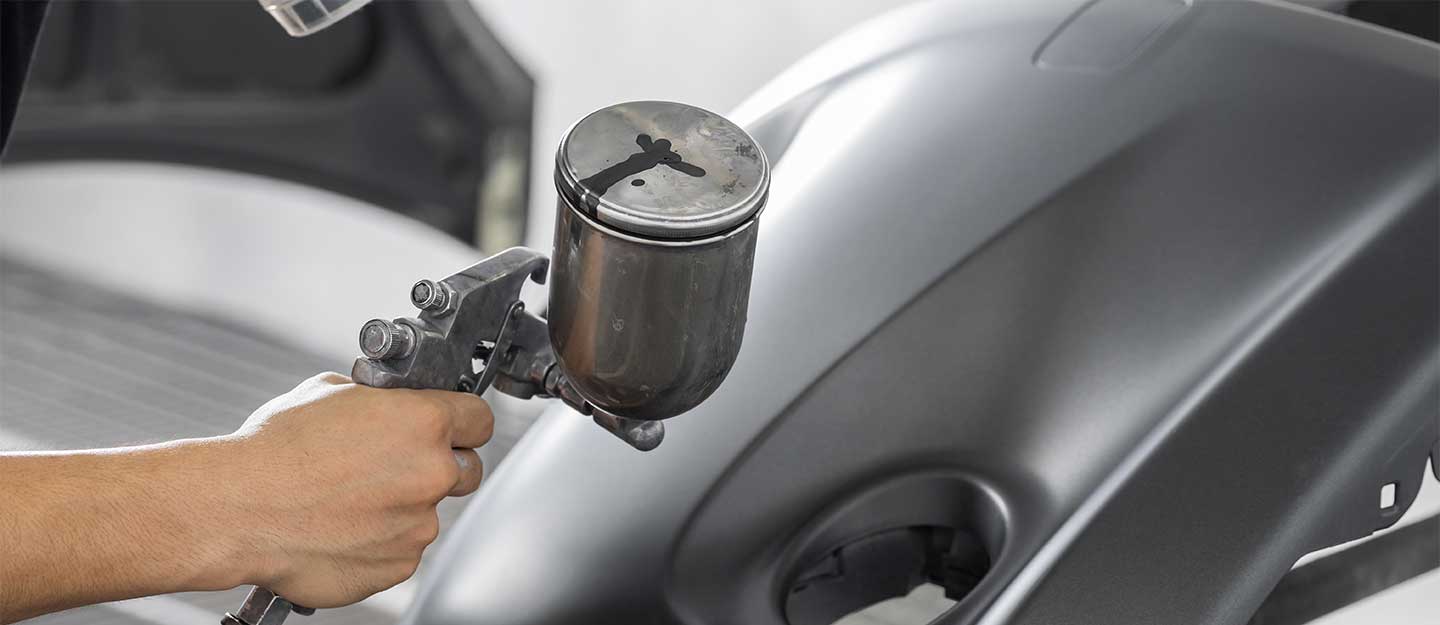
Primer contributes to the adhesion of paint to the plastic surface. Hold your spray gun six to seven inches away from the surface and start spraying the desired primer. Plastic car parts require three to four coats of primer and each coat should be allowed to dry for 15 minutes.
Step 2: Paint the Primed Part
Choosing the right paint can make or break your DIY plastic car parts painting process. Take your time when deciding which paint suits your car best. Some crucial properties to consider are UV/chemical resistance and adhesion. Keep the can six to seven inches away from the surface and apply the same amount of coats as the primer.
Step 3: Apply Lacquer
To give it a glossy finish, apply three to four coats of clear lacquer after the paint has dried. Once all the layers have been done, leave it for a few hours to dry completely before moving on to reconnecting the plastic part back into the car.
Step 4: Polish the Painted Parts
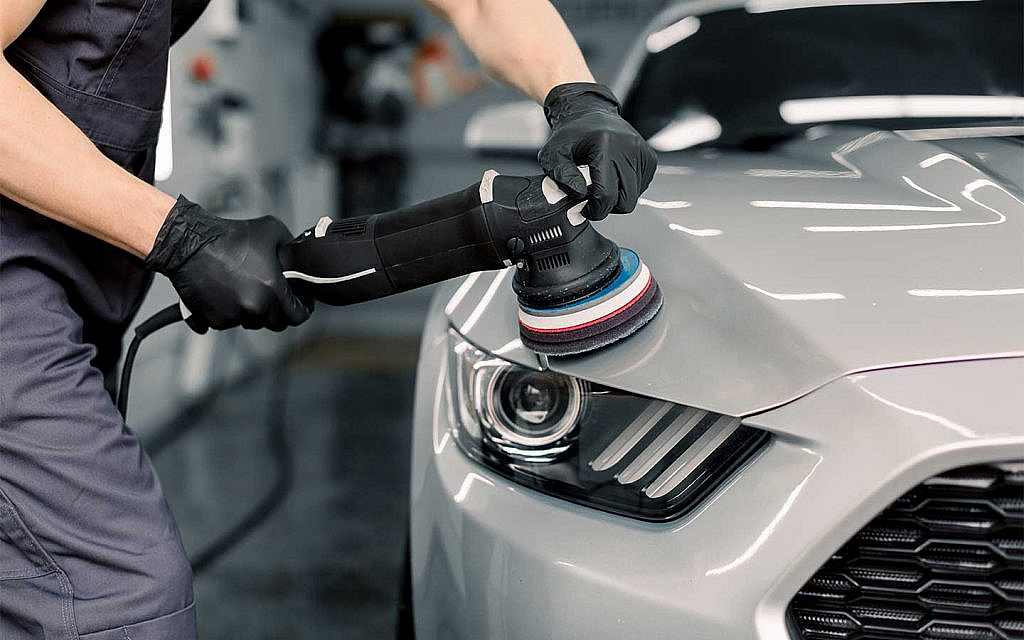
The final step of the process is to polish the painted parts, once the lacquer is cured. Car polishing with a microfibre cloth will ensure a smoother finish and eliminate any remaining debris.
These steps will help you get a hang of how to paint plastic car parts effortlessly while leaving no room for mistakes.
FAQs
What is the best paint for plastic cars?
The best paint for plastic car parts is the acrylic lacquer paint. It gives a smooth and glossy finish and has excellent adhesion properties.
Why is paint not sticking to plastic?
One of the reasons why paint doesn’t stick to the plastic is because of the glossy surface which is a result of an inefficient sanding process. Sand the plastic to the extent that you achieve a matte surface.
Which car paint lasts longer?
Urethane paints are the most long-lasting and durable paints that are available in a wide variety of colours. Their chip and colour retention make it an appropriate choice.
Which car colour is long-lasting?
White is considered the safest and most long-lasting colour for a car. The white surface bounces the sunlight off which keeps the cabin cool.
This was your ultimate guide to painting plastic car parts highlighting the important steps and the tips to get the best out of your effort. One potential culprit behind scratches and ruined paint is automatic and manual car washes.
Nevertheless, whether it is your plastic bumper paint chipping off or scratched trim pieces, you can easily restore them to their glory by painting them carefully. You can also hire a car detailing and polishing service in Dubai or the emirate you are located in to get the job done professionally.
Lastly, if the paintwork of your car requires considerable effort and time, then it’s time to switch to a different car. You can go through these used cars for sale in the UAE.
To get more of these DIY tips, keep reading dubizzle auto blogs.
Related Posts