
Modern internal combustion engines rely on precise control of valve timing to optimise performance, fuel efficiency and emissions. A critical component in this system is the Oil Control Valve (OCV), also known as the Variable Valve Timing (VVT) solenoid. Despite its small size, the OCV plays a significant role in regulating engine operations. Understanding its function, operation and maintenance can help you to know how it enhances engine performance, efficiency and longevity.
What Is an Oil Control Valve
The OCV is an electromechanical device managed by the Engine Control Unit (ECU) or car computers. The VVT system adjusts the timing of the opening and closing of the engine’s intake and exhaust valves. This helps the engine adapt to different driving conditions, optimising the car’s efficiency and emissions.
The valve regulates the flow of oil to the camshaft phaser, a device that controls the timing of the camshaft relative to the crankshaft. By controlling the amount of oil that flows into the camshaft phaser, the OCV allows the camshaft to adjust its position, fine-tuning the valve timing.
How Does the OCV Work
The OCV is an electromechanical solenoid valve that responds to signals from the Engine Control Module (ECM) or ECU. Here’s a step-by-step breakdown:
- Signal from ECU: The ECU continuously monitors engine parameters such as RPM, throttle body position, coolant temperature and load.
- Activation of Solenoid: Based on these inputs, the ECU sends an electrical signal to the OCV solenoid.
- Opening/Closing the Valve: The energised solenoid moves a plunger or spool inside the valve, opening or closing oil passages.
- Oil Flow Regulation: When open, pressurised engine oil flows through the valve to the camshaft phaser.
- Camshaft Adjustment: Oil pressure moves vanes inside the camshaft phaser, rotating the camshaft relative to the crankshaft.
- Valve Timing Change: This rotation advances or retards the timing of the intake or exhaust valves.
Signs of a Faulty Oil Control Valve
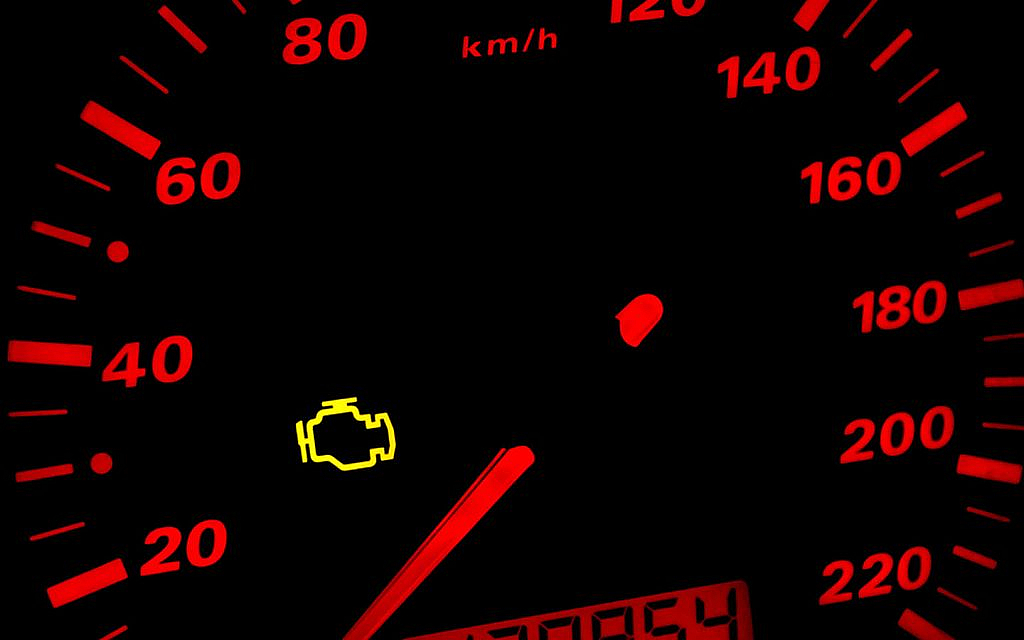
Like all vehicle components, the oil control valve can fail over time due to wear and tear, dirt buildup or oil contamination. A malfunctioning VVT solenoid can result in various issues that affect engine performance and fuel efficiency. Here are some common bad oil control valve symptoms:

Check Engine Light
If the VVT solenoid fails, the engine control unit may trigger a trouble code (P0010), which lights up the check engine light on the dashboard. Diagnostic tools can read the error code to pinpoint issues related to the OCV.
Rough Idle
A faulty OCV can cause the engine to idle roughly, as improper valve timing can result in an uneven combustion process.
Poor Acceleration
If the OCV is not allowing proper valve timing adjustments, the engine may struggle to accelerate smoothly, leading to sluggish performance.
Reduced Fuel Efficiency
A malfunctioning OCV can affect the engine’s ability to adjust valve timing effectively, leading to poor fuel efficiency.
Increased Exhaust Emissions
Faulty OCVs can lead to incomplete combustion, which can increase exhaust emissions.
Engine Misfires
If the VVT solenoid is stuck in one position and the engine cannot adjust its valve timing, it may cause engine misfires, leading to a rough and unstable engine operation.
Causes of Oil Control Valve Failure

Several factors can contribute to VVT solenoid problems:
- Contaminated Oil: Dirty or degraded oil can clog the OCV or its filter, hindering its operation.
- Electrical Issues: Faulty wiring or connectors can disrupt the OCV’s communication with the ECU.
- Mechanical Wear: Over time, the OCV’s internal components may wear out, affecting its performance.
- Worn OCV: As with any mechanical part, the OCV can wear out over time, especially if the engine has high mileage or if the oil hasn’t been changed regularly.
- Faulty Engine Control Unit (ECU): Since the OCV is controlled by the ECU, any issues with the ECU can lead to problems with the OCV’s operation.
Maintenance and Replacement
Maintaining the OCV involves regular oil changes using the manufacturer-recommended oil type and viscosity. If the OCV becomes clogged or fails, it may need to be cleaned or replaced. Cleaning involves removing the valve and using a suitable solvent to clear any debris or carbon buildup. If you notice rough idling, sluggish acceleration or a check engine light or have it inspected with an onboard diagnostic (OBD) scanner.
It’s crucial to replace a faulty OCV promptly to prevent further engine performance issues. Depending on the severity of the failure, a professional mechanic may need to replace the OCV.
FAQs
Can I drive with a faulty oil control valve?
It’s not recommended to drive a car with a faulty OCV. It can lead to poor performance, higher fuel consumption and potential engine damage over time.
How much does it cost to replace an oil control valve?
The cost of an Oil Control Valve (OCV) in the UAE typically starts from AED 250, depending on the car’s make and model, while labour charges vary from one shop to another.
Where is the oil control valve located?
It’s usually mounted on or near the cylinder head, close to the camshaft and timing chain area.
How often should an oil control valve be replaced?
There’s no fixed interval—replace it only when it fails or shows symptoms like rough idling, poor acceleration or car diagnostic code. Regular oil changes help extend its life.
These were all the details about the oil control valve and why they are an important part of a Variable Valve Timing. The Oil Control Valve is integral to the efficient operation of modern engines. Understanding its function, recognising symptoms of failure and adhering to proper maintenance can ensure your vehicle runs smoothly and efficiently.
If you are looking for a new ride with advanced features, explore a wide range of new cars for sale in the UAE, with listings to suit every budget and lifestyle.
Want to learn more about car parts and how they impact your vehicle’s performance? Keep exploring dubizzle’s auto blogs.
Related Posts