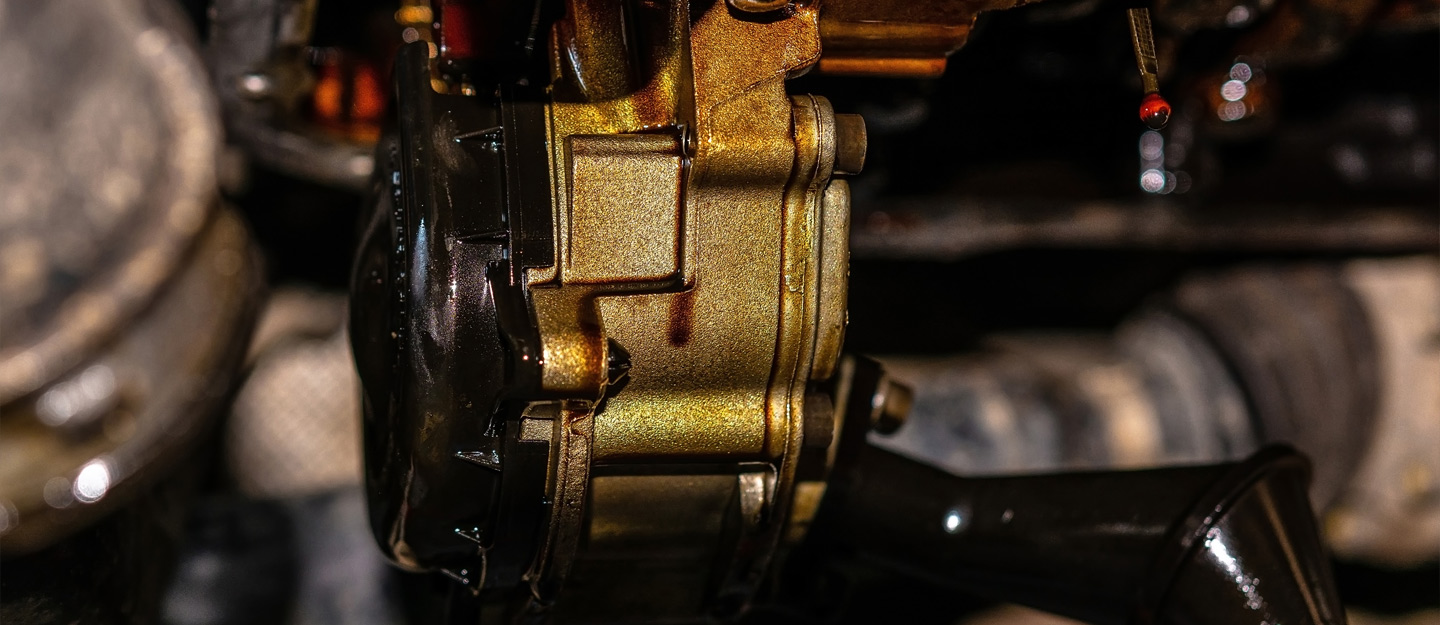
The oil pump is a crucial component of your vehicle’s engine, responsible for circulating engine oil to all the moving parts. This ensures proper lubrication, minimises friction and prevents overheating. A failing oil pump can lead to severe engine damage. Understanding the process of oil pump replacement, the costs involved and some essential tips can help you maintain your vehicle’s performance.
What is an Oil Pump?
The oil pump, usually located inside the engine block, draws oil from the oil pan and circulates it through the oil filter into the engine’s lubrication system. This continuous oil flow is vital for keeping all car engine parts running smoothly.
Similar to different car pumps, there are different types of oil pumps available in the market. Some of them include gear pumps, rotor pumps and vane pumps. Each type operates differently, but they all serve the same essential purpose—ensuring that oil reaches every part of the engine.
How to Replace an Oil Pump?
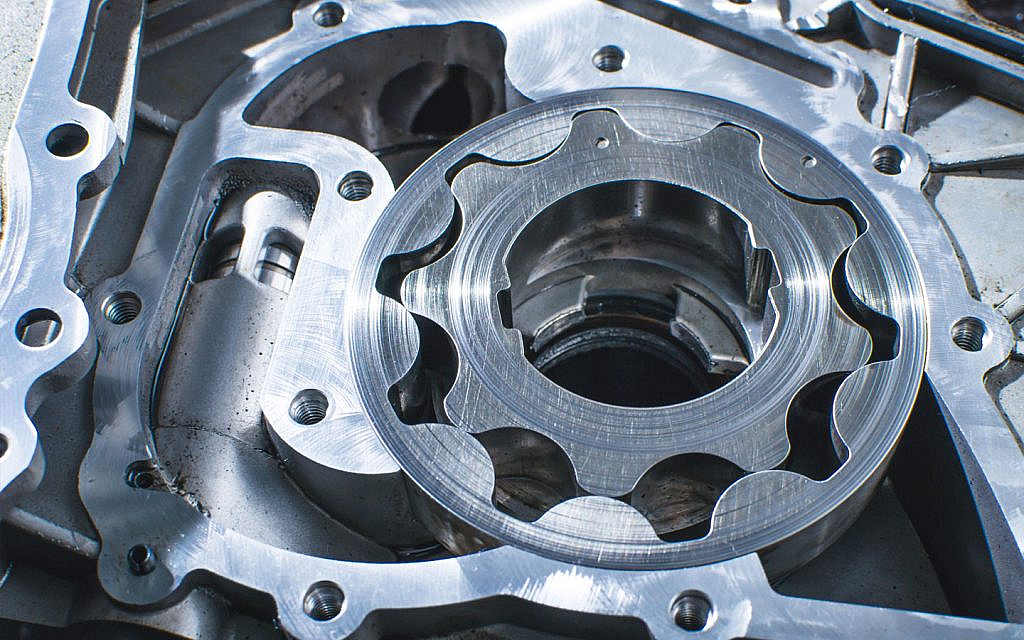
Replacing an oil pump is a detailed process that requires attention to detail and the right tools. Here’s a step-by-step guide to replacing an oil pump:

Step 1: Gather Tools and Materials
Before starting, make sure you have all the necessary tools and materials, including:
- A new oil pump (compatible with your vehicle)
- New gaskets or sealant
- Socket set and wrenches
- Screwdrivers
- Oil filter wrench
- Engine oil (as per your vehicle’s specifications)
- Oil drain pan
- Jack and jack stands
- Torque wrench
- Vehicle service manual (for specific instructions and torque specifications)
Work in a well-ventilated area and wear appropriate safety gear, including gloves and safety glasses. Ensure the vehicle is on a flat surface and use the parking brake.
Step 2: Drain the Engine Oil
- Use a jack to lift the front of the vehicle and secure it with jack stands. Ensure the vehicle is stable before working underneath it.
- Now, place an oil drain pan under the oil pan. Locate the oil drain plug and use a wrench to remove it. Allow all the engine oil to drain into the pan. Once drained, replace the drain plug and tighten it securely.
Step 3: Access the Oil Pump
- Depending on your vehicle’s design, you may need to remove the oil pan to access the oil pump. To do this, you may have to take off additional components, such as the exhaust pipe, cross member or the timing cover.
- Once any obstructing components are out, locate the oil pan and remove the bolts securing it to the engine block. Carefully lower the oil pan and set it aside.
Step 4: Remove the Old Oil Pump
- With the oil pan removed, the oil pump should be visible. It’s usually located at the bottom of the engine, connected to the crankshaft or camshaft.
- Remove the bolts securing the oil pump to the engine block. Depending on the design, you may also need to disconnect the oil pump pickup tube or screen. Carefully remove the old oil pump from the engine.
- Before installing the new pump, inspect the pickup tube, screen and other related components for signs of wear or damage. Replace any components as needed.
Step 5: Install the New Oil Pump

- Ensure the new oil pump is clean and ready for installation. If required, prime the oil pump by filling it with engine oil to ensure it functions correctly when you start the engine.
- Position the new oil pump in place and secure it with the bolts. Tighten the bolts to the torque specifications provided in your vehicle’s service manual. Reattach the oil pump pickup tube or screen, ensuring a secure fit.
- Apply a new gasket or sealant to the oil pan. Carefully position the oil pan back onto the engine block and secure it with bolts. Tighten the bolts in a crisscross pattern to the specified torque.
Step 6: Refill Engine Oil
Replace the oil plug, then refill the engine with the recommended type and amount of oil. After refilling, start the engine and check for any leaks around the oil pump area.
Step 7: Test Drive and Final Check
Finally, take the vehicle for a test drive to ensure that the oil pressure sensor is showing stability, the warning light is off and there is no ticking noise in the engine.
By following these steps, you can successfully do an oil pump replacement and ensure your vehicle’s engine remains well-lubricated. Regularly monitor oil pressure and perform routine maintenance to keep your engine running smoothly.
Oil Pump Replacement Tips
- Use Quality Parts: Always use high-quality OEM or aftermarket oil pumps to ensure reliable performance.
- Check Oil Quality: Ensure that the engine oil is clean and at the correct level to avoid premature wear on the new pump.
- Follow Torque Specifications: Properly torque all bolts to avoid leaks or damage because a damaged pump can cause engine oil leaks.
- Inspect Related Components: Check the oil filter, oil lines and any other components that may affect oil flow.
Oil Pump Replacement Cost
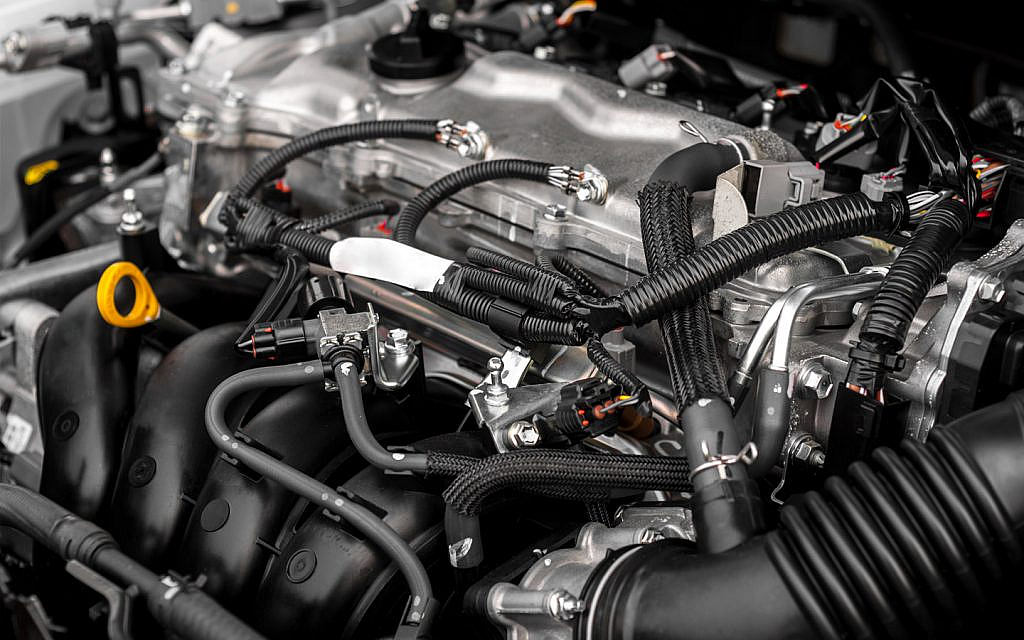
The engine oil pump replacement cost can vary depending on several factors, including the make and model of your vehicle. The price of an oil pump starts from AED 600, whereas, the labour costs depend on the complexity of the job and local labour rates. Additional costs, such as engine oil, an oil filter and any necessary gaskets or sealants, should also be considered.
FAQs
Can you drive with a bad oil pump?
Driving with a failing oil pump can cause significant vehicle damage and raise serious safety concerns, therefore it is advised not to drive with a bad oil pump.
How much does it cost to change the oil pump on a car?
The cost to replace an oil pump in the UAE typically starts at AED 600 for the part, with additional labour costs varying by vehicle complexity.
Here we conclude all about oil pump replacement. Replacing an oil pump is a critical maintenance task that can prevent severe engine damage and costly repairs. By recognising the signs of a failing oil pump, you can help ensure your vehicle’s engine remains in top condition.
Besides, if you are looking for a vehicle with better specifications, browse through these new cars for sale in the UAE here.
Stay updated with the dubizzle car blog and find more information on auto parts and their maintenance.
Related Posts