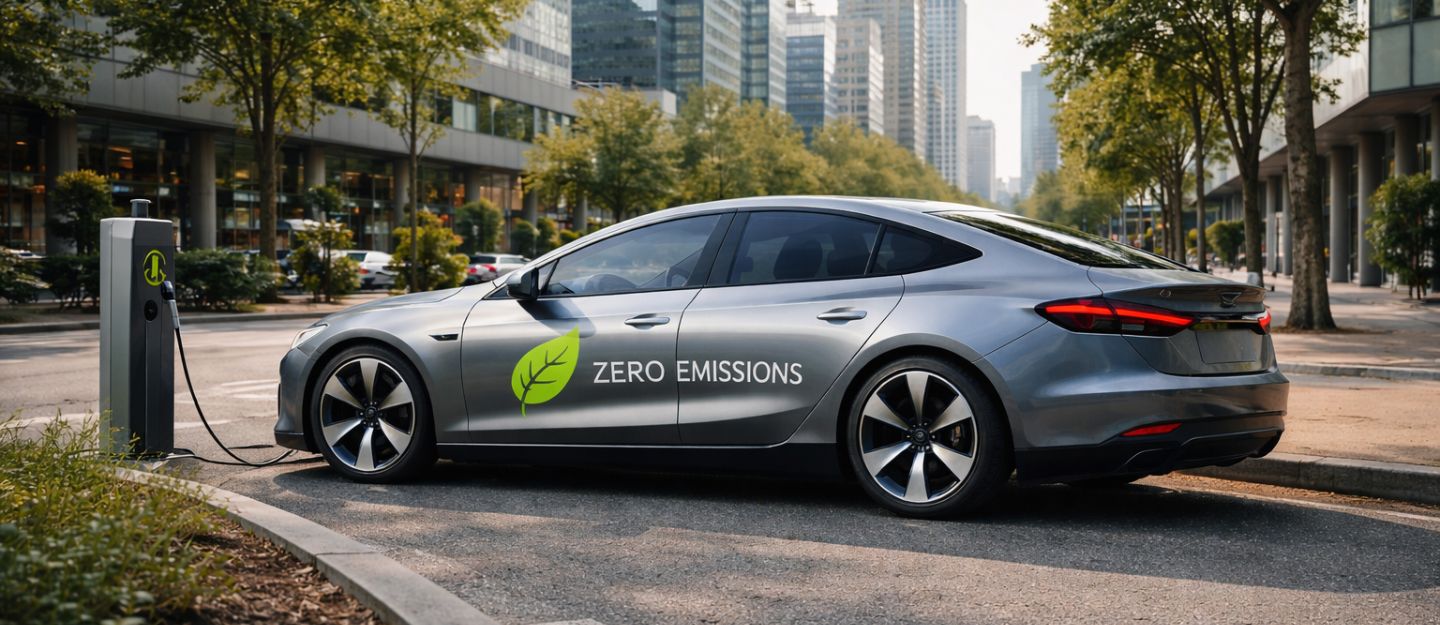
The UAE has committed to achieving net zero emissions by 2050, placing sustainability at the heart of its long-term national vision. As the country accelerates its transition towards cleaner energy sources, the automotive sector has emerged as a critical pillar in this strategy. Given that transport remains a significant contributor to carbon emissions, transforming the auto industry is essential to meeting the nation’s climate goals and advancing the Net Zero 2050 initiative.
Explaining the UAE Net Zero Strategy 2050
The UAE’s Net Zero Strategy 2050 outlines a clear roadmap and implementation framework to achieve the country’s climate goals. The strategy includes more than 25 programmes across six key sectors: power, industry, transport, buildings, agriculture and waste. Within the automotive sector, the primary focus is on advancing sustainable transportation solutions to reduce transport emissions from 42 MTCO2e recorded in 2019 to zero.
UAE Net Zero 2050 and the Role of the Auto Industry
The UAE Net Zero Strategy 2050 and the automotive industry are closely interconnected, as the transport sector remains one of the largest contributors to carbon emissions. Automotive brands, government entities and other industry stakeholders are playing their role in driving sustainability in the UAE auto sector.
Electrification of Public Transportation
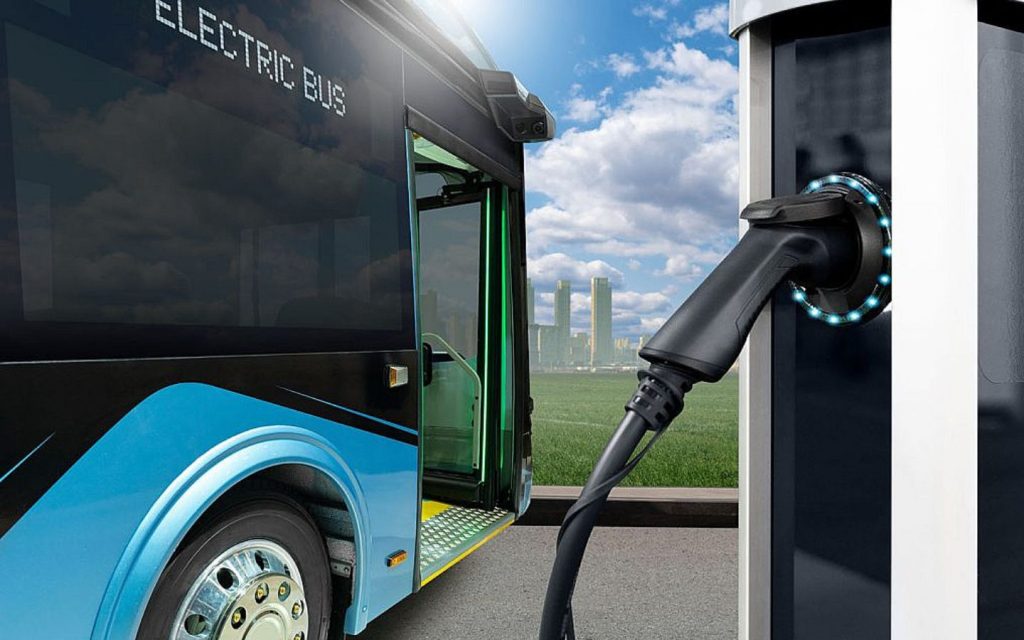
Sustainable mobility in the UAE is increasingly visible in the public transport sector, with different emirates rolling out programmes for electrification and decarbonisation. The Zero-Emissions Public Transportation in Dubai 2050 initiative targets converting 10% of public transport buses to electric and hydrogen by 2030.

The Abu Dhabi’s Green Bus Programme is also contributing to the shift by introducing cleaner buses powered by electricity and hydrogen. The emirate has a wider aim of transitioning into a fully green public transport ecosystem by 2030.
Aligned with the UAE’s broader climate goals, Sharjah has announced the rollout of electrified bus services, including inter-emirate routes connecting Dubai, Ajman and Hamriyah. Meanwhile, announcements of policies such as Transport Decarbonisation in RAK and inclusion of Bus Rapid Transit (BRT) in Ajman’s public transportation, aim to reduce bus-related emissions and expand more sustainable public transport options.
Infrastructure Expansion
Through multiple frameworks, including Vision 2021, the UAE has laid the groundwork for building one of the world’s most advanced and sustainable transport infrastructures. Along with the road network, the expanding Etihad rail project is set to play a major role in reducing transport-related emissions.
In parallel with public transport and rail development, the number of public charging stations across the UAE is also increasing rapidly. The continued expansion of charging stations strengthens consumer confidence, accelerating the wider adoption of EVs across the country.
Policy & Innovation Support
The UAE government places strong emphasis on developing a sustainable transportation ecosystem, reflected in its policies, frameworks and support for innovation. Key UAE automotive sustainability initiatives include:
- National Electric Vehicles Policy: The National EV Policy is a federal framework designed to promote domestic EV manufacturing, regulate and expand charging infrastructure, and reduce transport sector energy consumption by 20% by 2050.
- UAE Energy Strategy 2050: A unified strategy aimed to triple the contribution of renewable energy resources.
- Dubai Green Mobility Strategy 2030: Ensures that 10% of all the government-procured vehicles are electric or hybrid.
EV Manufacturing
Through initiatives such as the Abu Dhabi Industrial Strategy, Make it in the Emirates and Operation 300bn, the UAE is strengthening local manufacturing of sustainable transportation solutions. Expanding domestic production of electric vehicles supports industrial growth while reducing transportation costs and associated carbon emissions.
FAQs
How does Net Zero 2050 impact the automotive industry in the UAE?
The Net Zero 2050 initiative is reshaping the automotive sector by accelerating the shift towards sustainable vehicles, cleaner technologies and eco-friendly manufacturing.
What role do electric vehicles play in the UAE’s sustainability goals?
Electric vehicles are central to reducing transport-related carbon emissions by replacing conventional internal combustion engines.
How is the UAE encouraging sustainable mobility?
The UAE is promoting sustainable mobility through national EV policies, government procurement targets, expansion of charging infrastructure and incentives for manufacturers and consumers.
Are car manufacturers adapting to Net Zero goals in the UAE?
Yes, global and regional manufacturers are expanding their electric and hybrid line-ups in response to policy support and growing demand. Many brands are aligning product strategies with the UAE’s sustainability vision by introducing cleaner, energy-efficient models.
This is everything about the UAE Net Zero 2050 and the role of the auto industry in achieving the goal. The country is accelerating electric vehicle adoption through supportive policies, incentives and expanding charging infrastructure. Catering to the demand, a number of leading manufacturers have expanded their sustainable transport lineup in the country. The introduction of a wider range of electric and hybrid models provides consumers with multiple options to choose from, including new and used electric cars for sale in the UAE.
Stay tuned to dubizzle’s auto blog to learn more about automotive innovations for sustainability.
Related Posts