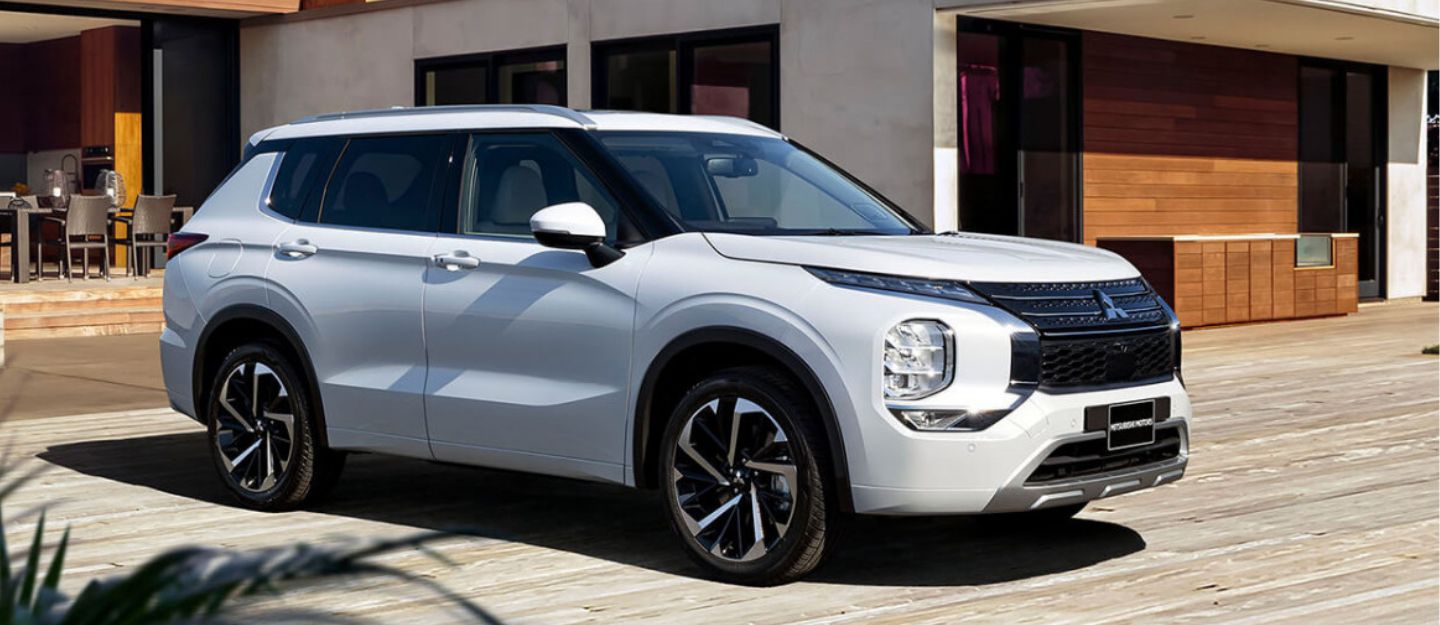
The integration of advanced technology has significantly improved modern vehicles’ performance and safety. One notable example of such advanced technology is Mitsubishi’s Super-All Wheel Control (S-AWC) system. This system assists in maintaining stability and control in different driving conditions.
Mitsubishi S-AWC system merges four-wheel-drive and all-wheel-drive technologies into a single setup. This setup adjusts and modifies itself according to the drivers’ actions. S-AWC analyses steering, acceleration and wheel slippage data to take appropriate action. Moreover, this helps maintain traction and control when driving on slippery roads, sandy trails or winding highways. Below, you can find the details of how the S-AWC system works and how it fuses different traction and stability systems.
What is Mitsubishi’s Super-All Wheel Control (S-AWC) system
Mitsubishi Super-All Wheel Control system (S-AWC) is a terrain response system. It is an upgraded version of four-wheel drive and all-wheel-drive technologies. The incorporation of this system in vehicles marked a significant milestone in Mitsubishi’s history. The S-AWC system was launched after extensive engineering work and evaluation in multiple environments.
The system’s core responsibility is to modify the vehicle’s movement according to the driver’s steering, acceleration, turn and brake input. S-AWC provides better traction and grip on different road conditions, which include slippery roads, sand, snow, mud and dry pavements. Such handling boosts driving confidence while ensuring premium stability. Besides, if you are an off-roading enthusiast, refer to this guide to driving on different terrains. This guide sheds light on best driving practices in such road conditions.
Function of S-AWC
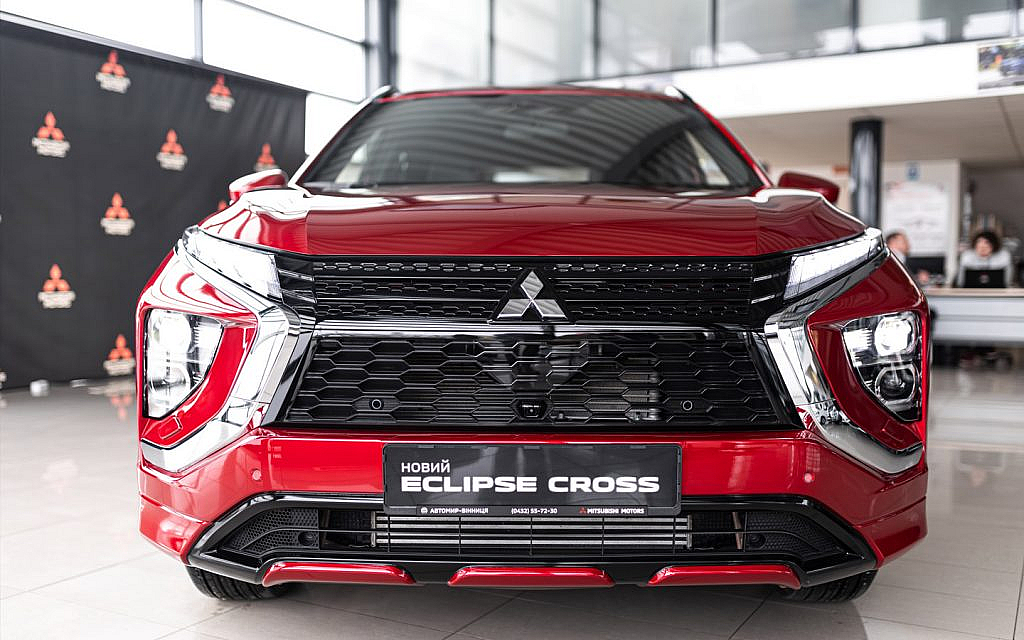
The main purpose of the S-AWC system is to improve the traction control system. To help achieve that, the S-AWC system commands the three control and traction systems. These systems include Active Stability Control (ASC), All-Wheel-Drive (AWD) and Active Yaw Control (AYC). The S-AWC merges the aforementioned systems into a cohesive system rather than permitting these systems to work on their own.
All-Wheel Drive (AWD)
The AWD system handles the wheel torque division, which assists the vehicle in moving forward regardless of the road condition. On the other hand, the S-AWC system examines the acceleration, wheel slippage, braking and steering data. With the help of this data, the AWD adjusts the torque distribution and sends it to the wheels that can utilise it more effectively.

Active Yaw Control (AYC)
The active yaw control’s working is similar to that of a front axle limited-slip differential. However, this system improves control by utilising data from the S-AWC to regulate the braking and steering commands. This helps enhance a vehicle’s cornering stability.
Active Stability Control (ASC)
Lastly, the S-AWC system also supervises the ASC system. ASC contributes by detecting an abrupt loss of traction or poor steering control. Once detected, the system utilises the anti-lock braking system to trigger the brake force. Furthermore, the ASC regulates the engine torque appropriately to maintain a stable performance and control of the vehicle.
Understanding S-AWC Modes in Mitsubishi Vehicles
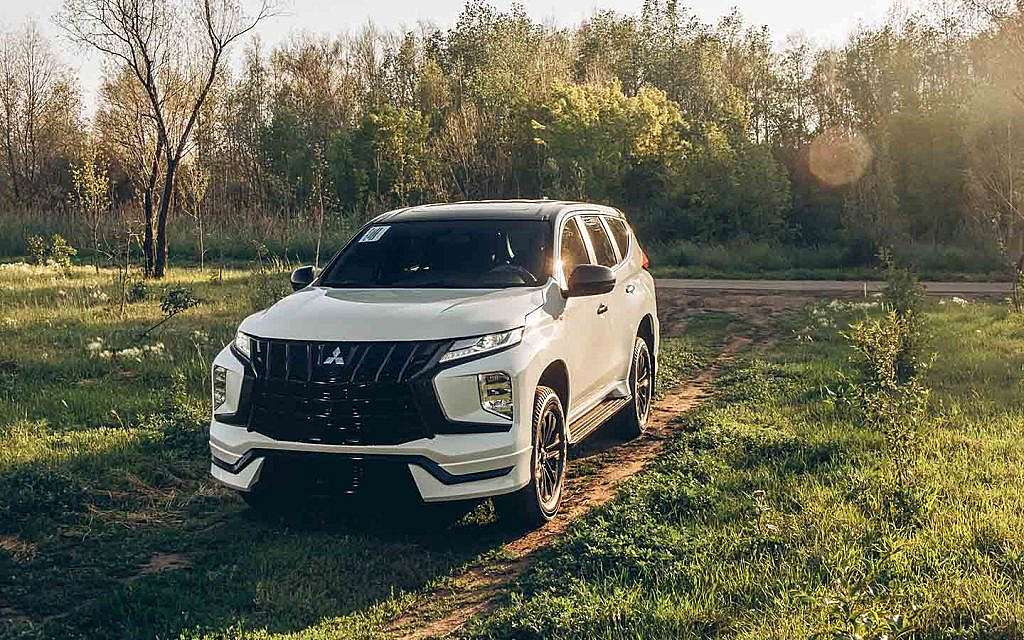
The S-AWC system in Mitsubishi cars automatically initiates the different control systems for a better driving experience. However, the brand’s models have different car driving modes that adjust the S-AWC system according to the driving conditions. Below, you can find the list of the modes available in Mitsubishi vehicles. The availability of the following modes may vary depending on trim and models.
Normal Mode
The ideal driving mode in Mitsubishi cars for daily commuting is the Normal mode. The S-AWC system, in this mode, ensures that each wheel receives the required torque. This helps ensure balanced performance and stability in typical driving scenarios.
Eco Mode
Eco mode is recommended for long drives as its priority is to maintain good fuel economy. The S-AWC distributes torque to the vehicle’s front wheels in this mode. This way, fuel consumption is reduced significantly and the amount of emissions is minimal.
Tarmac Mode
The tarmac mode is among the most fitting modes when driving on winding roads and dry pavements. The S-AWC system enhances throttle, steering and braking responsiveness in this mode. This contributes to better cornering and vehicle control.
Snow Mode
Snow mode is ideal when driving on snowy or slippery roads, as it provides exceptional traction or stability control in cars. In this mode, the S-AWC system adjusts as per the road conditions, consequently improving vehicle control.
Gravel Mode
The gravel mode ensures a smooth and stable driving experience even on uneven, rough terrains. The Super-All Wheel Control system, in this mode, has complete control over the power distribution, throttle response and brake support.
Mud Mode
Mud mode is well-suited when driving in muddy and slippery areas. With the help of the S-AWC system, this mode provides a stable and smooth driving experience.
FAQs
What are the benefits of Mitsubishi S-AWC?
The S-AWC by Mitsubishi ensures a stable and controlled driving experience in different road conditions.
What is the difference between AWD and S-AWC?
The AWD system is responsible for the torque distribution in the front and rear wheels. Meanwhile, S-AWC collects acceleration, braking, steering and wheel slippage data for effective torque distribution.
Is the Mitsubishi S-AWC good?
Mitsubishi’s S-AWC system helps maintain excellent performance on different terrains.
That was all for Mitsubishi’s Super-All Wheel Control System (S-AWC). With the help of the three control systems, it manages to provide an ideal driving experience even in rough terrains. Understanding and utilising the S-AWC system enables drivers to achieve a safer and more responsive driving experience.
If you wish to take advantage of Mitsubishi S-AWC system features, go through these used Mitsubishi cars for sale in the UAE. Moreover, check out these new Mitsubishi cars for sale in the UAE if you prefer a brand-new vehicle as your next ride.
Stay tuned to UAE’s top auto blog for more information on the latest technologies in vehicles.
Cover Image Credits: Orange Mitsubishi Official Website
Related Posts