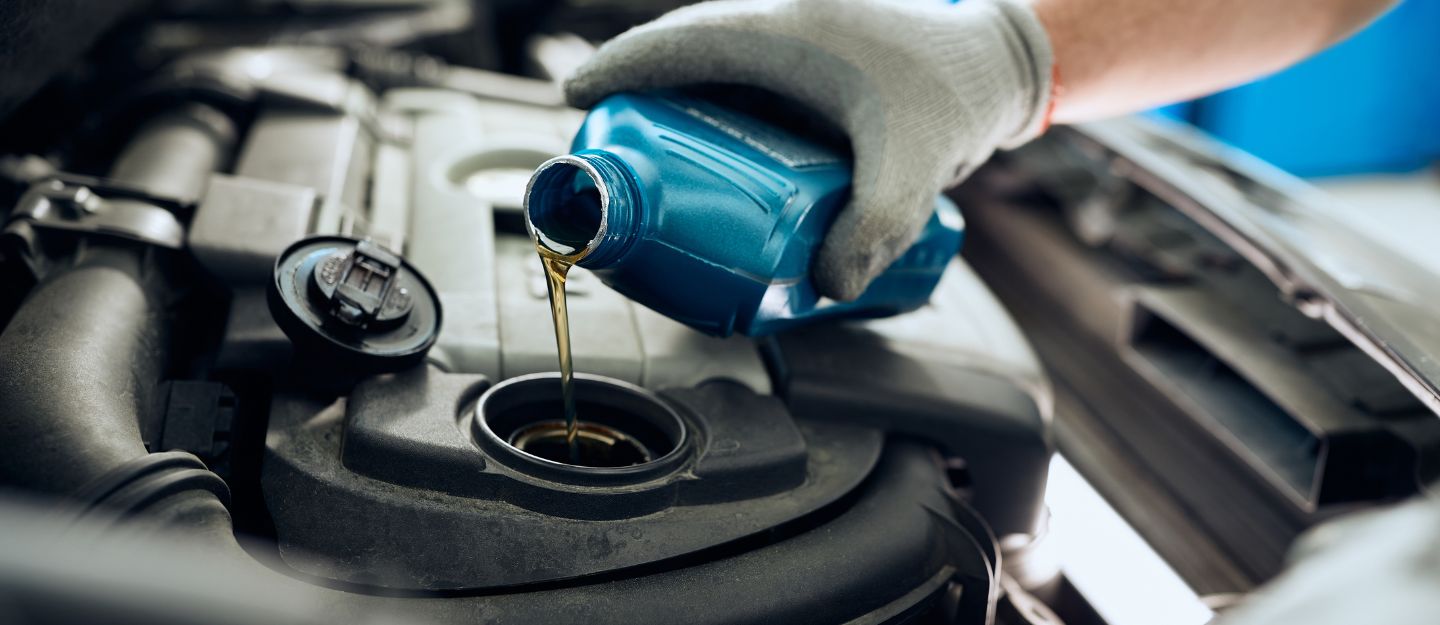
Many car owners like to change their cars’ engine oil themselves. Regular oil changes are pivotal for smooth running and help maintain the vehicle’s functionality. However, certain mistakes, such as using the incorrect type, must be avoided. For a better understanding, we have listed some usual instances that you must steer clear of.
Most Common DIY Oil Change Mistakes
Proper working of the engine oil is necessary for a fully functional vehicle. However, certain things can go wrong when topping it up or changing it. To keep your car in optimal condition, avoid these common oil change mistakes.
Not Warming Up The Engine
Not warming up the engine is one of the common oil change mistakes that can hinder the process. When the engine is cold, the oil becomes thicker and doesn’t flow as easily, making it harder to drain all of the old oil from the system.
This leaves behind contaminants and sludge, reducing the effectiveness of the fresh oil. Warming up the engine for a few minutes allows the oil to thin out, enabling it to drain more completely. It ensures that the new oil provides optimal lubrication. However, be cautious not to overheat the engine, as excessively hot oil can cause burns during the oil change process. Once the engine is at the adequate temperature, start the process. Moreover, there are many benefits of regular engine oil change such as better mileage and efficiency.
Using The Wrong Engine Oil Type
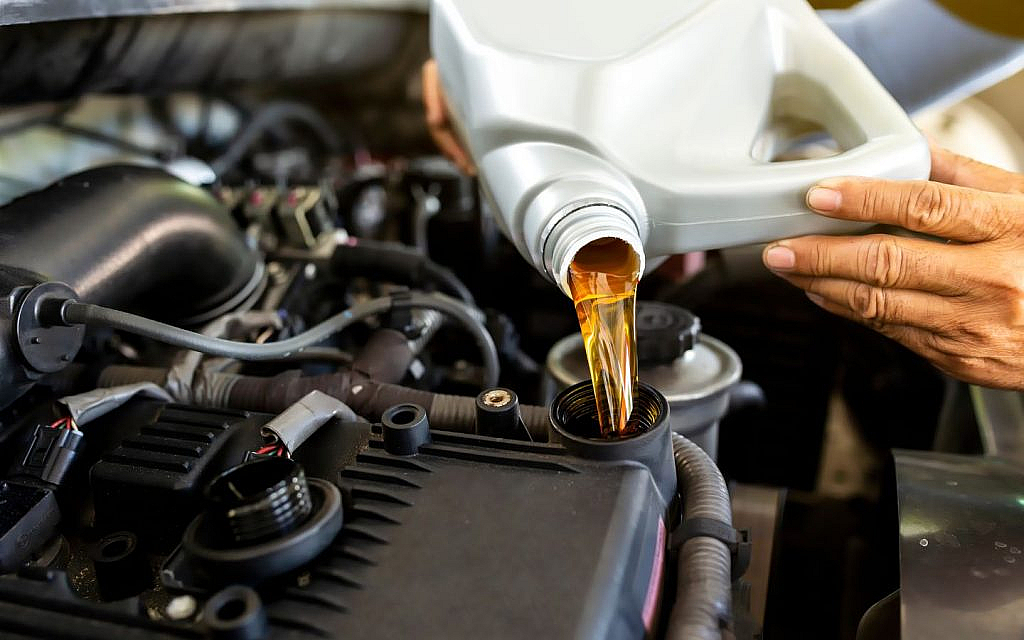
The wrong type of car engine oil negatively impacts your vehicle’s performance and longevity. It is one of the important mistakes to avoid when changing a car’s engine oil. Each engine has specific oil viscosity and formulation requirements, outlined in the vehicle’s manual. If you use oil that’s too thick or too thin, it may not properly lubricate the engine parts. This leads to increased friction, overheating or premature wear.
Additionally, some engines require synthetic oil, while others use conventional oil, so using the wrong formulation can compromise engine protection. Moreover, poor fuel economy, oil leaks and engine noises are some signs of using the wrong car oil.

Not Replacing The Drain Plug
Not replacing the drain plug is one of the mistakes to avoid when changing a car’s engine oil. It leads to serious problems down the line. Over time, the drain plug and its washer can wear out or become damaged, causing engine oil leaks.
Even a small leak can result in low oil levels, which leads to poor engine lubrication and eventually causes engine damage or failure. Additionally, an old or damaged plug may not tighten properly, increasing the risk of it coming loose while driving. To avoid these issues, it’s essential to inspect and, if necessary, replace the drain plug and washer during each oil change
Under Or Over-Tightening The Oil Filter
Neglecting the proper tightening of the oil filter is one of the most overlooked mistakes when changing car oil. If the oil filter is under-tightened, it can result in oil leaks, which cause low oil levels and inadequate lubrication. It puts the engine at risk of damage.
On the other hand, over-tightening the filter can damage the gasket or the filter itself. It then results in oil leaks or it may cause the filter to become stuck, making it difficult to remove during the next oil change. Over-tightening can also deform the filter housing, preventing it from sealing properly.
Not Re-Installing The Oil Fill Cap
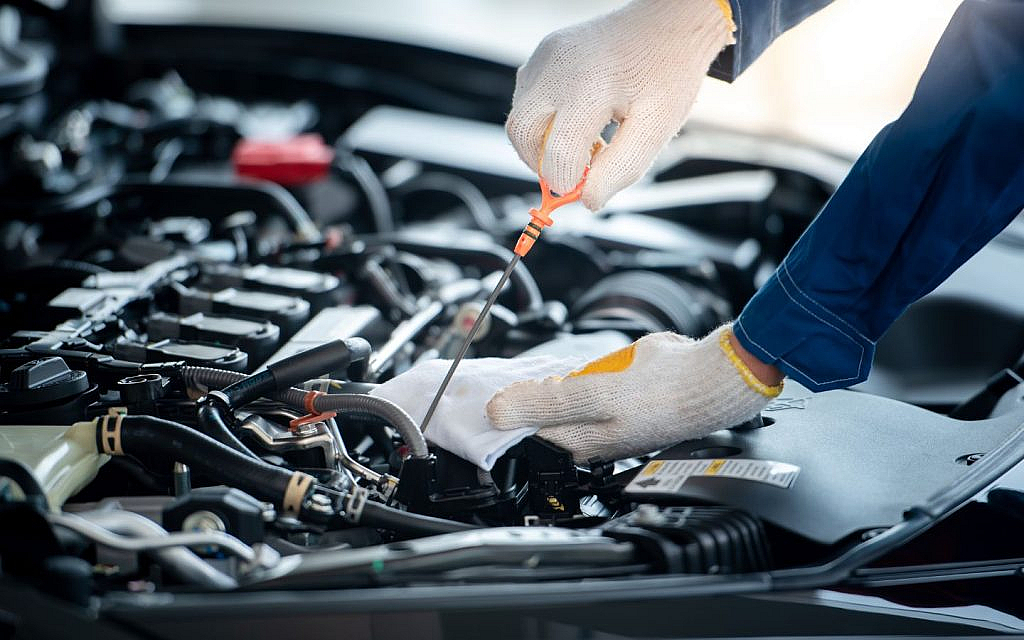
Forgetting to re-install the oil fill cap after an oil change is a simple mistake that can have serious consequences. Without the cap, oil can splash out of the engine, leading to a significant loss of oil, reduced lubrication and potential engine damage. The open cap also allows dirt, debris and moisture to enter the engine, contaminating the oil and causing wear on engine components.
This reduces the efficiency of the engine and leads to costly repairs. Always double-check that the oil fill cap is in place to ensure the engine remains clean, properly lubricated and protected from contaminants.
Adding An Inadequate Amount Of Oil
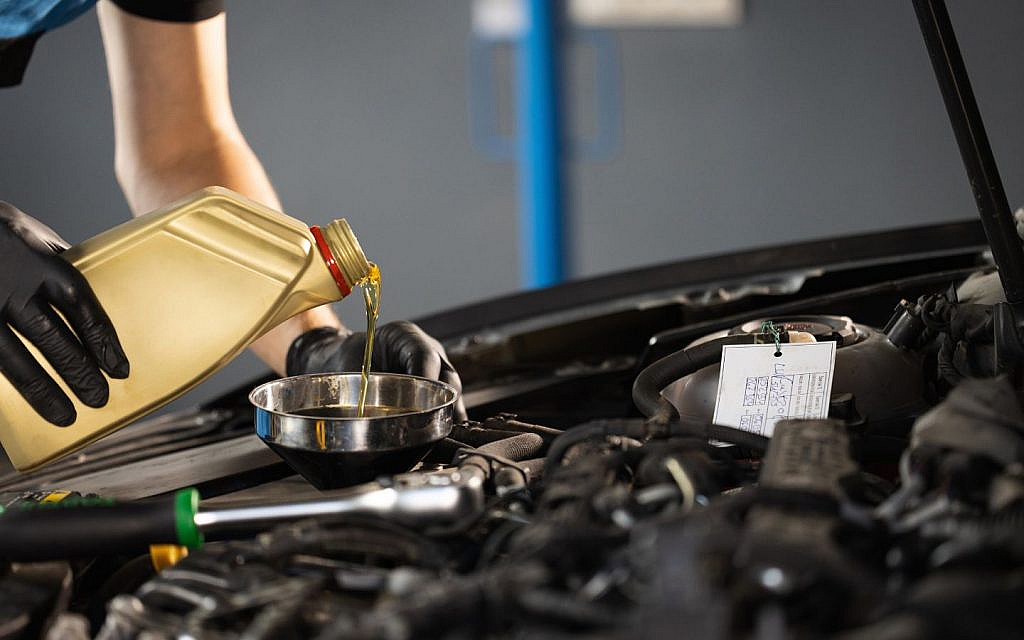
An inadequate amount during an oil change can seriously affect your car’s engine health. Insufficient oil means that there isn’t enough lubrication for the engine’s moving parts, leading to increased friction, overheating and excessive wear. Over time, this can cause critical engine components to fail, resulting in costly repairs or even engine replacement.
Additionally, excessive engine oil can cause the engine to operate inefficiently, reducing performance and fuel economy. It’s essential to carefully measure the oil level using the dipstick after refilling to ensure you have the right amount, as underfilling can quickly lead to mechanical issues.
Using The Wrong Viscosity Of Engine Oil
Understanding engine oil viscosity is necessary to avoid an engine malfunction. Viscosity refers to the oil’s thickness and its ability to flow at different temperatures. If the oil is too thick (high viscosity), it may not flow smoothly through the engine during cold starts. It also adds to poor lubrication, increased friction and harder engine operation.
Conversely, oil that’s too thin (low viscosity) may not provide sufficient protection under high temperatures. It causes parts to wear out faster due to insufficient lubrication. Both scenarios result in reduced fuel efficiency, higher emissions and long-term engine damage. That is why it is one of the most common mistakes to avoid when changing a car’s engine oil to help keep its driveability intact.
Forgetting To Replace The Drain Plug Washer
Not replacing the drain plug washer during an oil change is a small but significant oversight that can lead to oil leaks over time. The washer acts as a seal between the drain plug and the oil pan, preventing oil from seeping out.
Over time, the washer can become worn, compressed or damaged, losing its ability to create a proper seal. If it’s not replaced, even a small leak can lead to a gradual loss of oil, which can reduce lubrication and cause engine damage. Replacing the washer ensures a tight, leak-free seal, helping maintain proper oil levels and engine performance.
FAQs
What precautions should you take when changing the engine oil?
When changing engine oil, ensure the car is on a level surface, allow the engine to cool slightly and use the correct oil type. Also, double-check the components to prevent leaks.
What are the symptoms of wrong engine oil?
Symptoms of using the wrong engine oil include increased engine noise, poor performance, overheating and a burnt oil smell.
Can you do an oil change wrong?
Yes, an oil change can be done incorrectly, leading to issues such as leaks, engine damage or inadequate lubrication.
These were some of the common mistakes to avoid when changing a car’s engine oil. These instances serve as a soft reminder to the DIY-ers while the new drivers can keep these mistakes in mind to avoid inconvenience. Here are FAQs about car oil change which answer a wide range of questions. Moreover, for regular upkeep of your car, you can check out these car oil change deals in Dubai.
Moreover, if you are in search of your next ride, check out these new cars for sale in the UAE. They offer a plethora of listings under various budgets.
To learn more about regular car maintenance, keep reading dubizzle’s Autos blog.
Related Posts