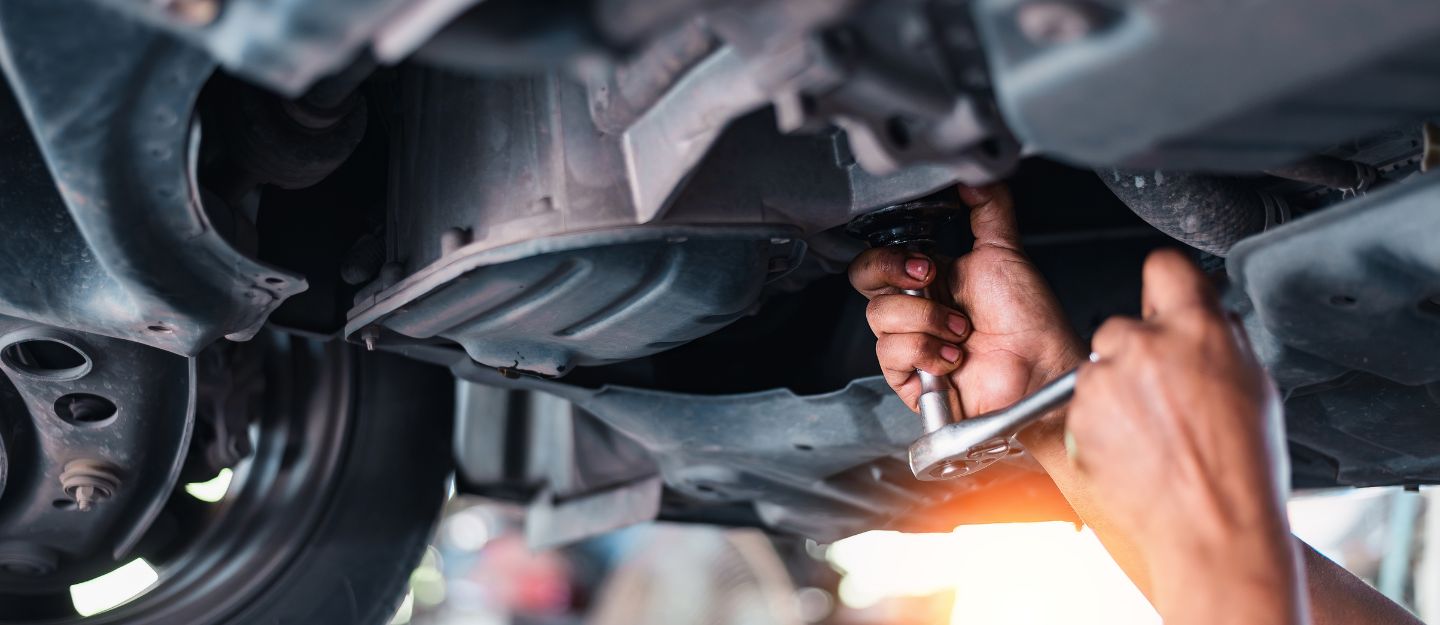
Maintaining an auto chassis at home is essential for ensuring the safety, performance and longevity of a vehicle. The chassis serves as the vehicle’s structural foundation and supports all the key components. Regular upkeep not only prevents rust and damage but also enhances handling and ride comfort. With a few tools, some basic knowledge, and a bit of effort, you can keep your chassis in top condition, saving money on costly repairs and extending the life of your car.
Moving forward, here are some easy steps and ways to maintain an auto chassis at home. Let’s learn them.
Steps for Auto Chassis Maintenance at Home
Maintaining a car’s chassis at home is a great way to ensure a smooth ride. It not only prolongs the lifespan of a vehicle but helps save money on costly repairs. The car chassis, essentially the vehicle’s skeleton, supports all its components, including the engine, suspension and body.
Its proper care and maintenance assist in improving a car’s performance and protecting it from long-term damage. Here’s a step-by-step guide on how to maintain an automotive chassis at home.
Understanding the Chassis and Its Importance
The chassis forms the backbone of your car, connecting the essential systems like the engine, transmission and suspension to the car wheels. It plays a crucial role in determining your vehicle’s structural integrity, stability and safety.
In addition, a well-maintained chassis ensures a comfortable driving experience. It offers better handling and protection against rust and corrosion, which are common issues, especially in older vehicles.
Gather the Right Tools and Materials
To maintain an auto chassis at home it’s important to have the proper tools on hand. Here’s a list of what you might need:
- A car ramp or a jack stand
- A torque wrench
- Rust remover and wire brushes
- Degreaser or chassis cleaner
- High-pressure water hose or pressure washer
- Sandpaper or a sanding tool
- Rust-proof primer and paint
- Protective gloves, safety goggles and a face mask
- Lubricant spray (such as WD-40)
- Socket set and wrenches
Prepare A Safe Work Area
Ensure your vehicle is parked on a flat, stable surface and engage the parking brake. Place wheel chocks behind the tyres for added safety. Lift the car properly using a jack and secure it with jack stands before crawling underneath. Always prioritise safety when working under a vehicle. Also, never rely solely on a car jack.

Inspect the Chassis
Routine inspection when you maintain an auto chassis at home. A thorough visual inspection every few months can help identify problems early before they become serious issues. For that, look for signs of:
- Rust and Corrosion: Check the underside of your car, especially around the wheel wells, exhaust pipes and suspension components. Rust can weaken the structure over time.
- Cracks or Damage: Examine the frame for any visible cracks, dents or damage from impacts.
- Loose Bolts and Fasteners: Ensure that all bolts securing the suspension, engine mounts and other components are properly tightened.
Clean the Chassis
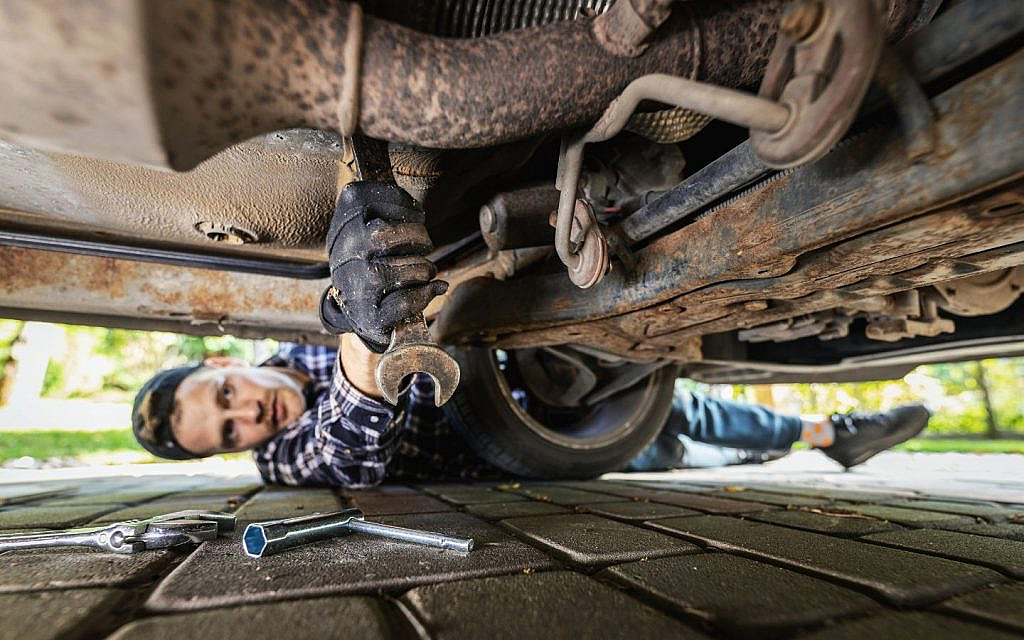
Cleaning the chassis is crucial to removing dirt, grime and salt that can accelerate corrosion. Follow these steps for a deep clean:
- Use a high-pressure water hose or pressure washer to rinse off loose dirt and debris from the chassis. Focus on areas around the wheel wells and suspension, where dirt tends to accumulate.
- Apply a chassis cleaner or degreaser to break down tough grease and grime. Let it sit for a few minutes before scrubbing it with a brush or sponge.
- Rinse thoroughly and allow the chassis to dry completely. If possible, use a garage or covered area to avoid moisture exposure during the drying process.
Remove Rust and Apply Rust Prevention
Rust is one of the biggest enemies of a vehicle’s chassis, especially if you live in an area near the coast. Here’s a quick overview of the car rust removal process.
- Use a wire brush or sandpaper to scrub away any visible rust spots. For more stubborn rust, you may need a rust remover solution.
- Once the rust is removed, wipe down the area to remove any remaining debris.
- Apply a rust-proof primer to protect the exposed metal, followed by a layer of high-quality paint or undercoat. This not only prevents future rust but also gives the chassis a protective seal.
Lubricate the Moving Parts
Lubrication is essential for preventing squeaks and reducing friction. It ensures the smooth operation of the chassis components. Regularly lubricating suspension joints, ball joints and car bushings help keep them flexible and prevent squeaks.
Also, applying lubricant to the steering rack and tie rods ensures smooth steering. If accessible, lubricate the universal joints in the driveshaft to maintain driveline performance. This routine lubrication reduces wear and tear, especially if you drive on rough or dusty roads.
Tighten and Check the Fasteners
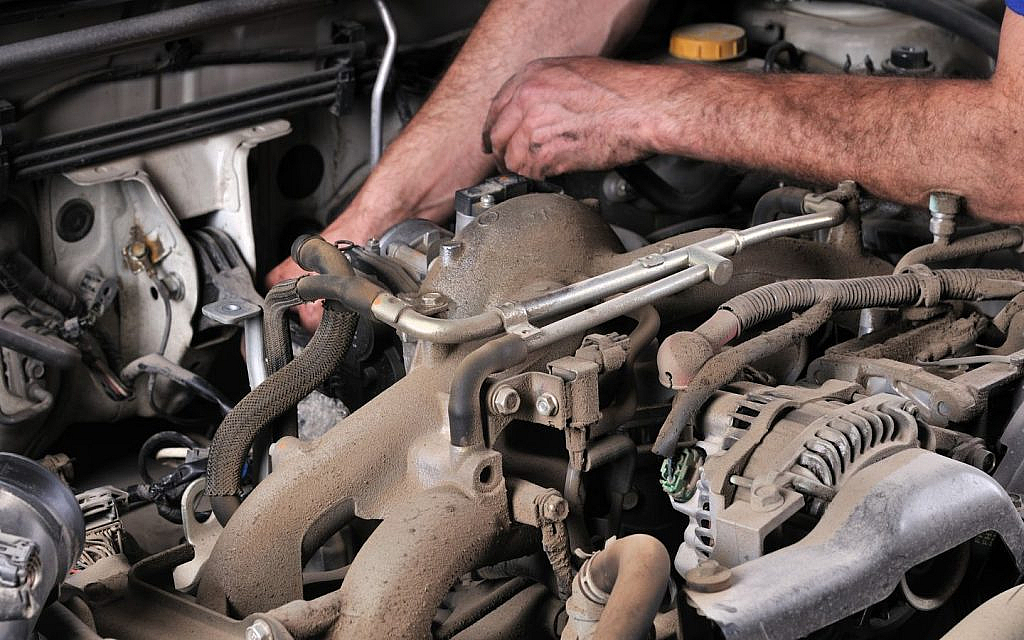
Over time, bolts and nuts securing the chassis components can loosen due to vibrations. Use a torque wrench to check and tighten the following parts:
- Suspension and Steering Fasteners: Ensure they are secure to prevent alignment issues.
- Engine and Transmission Mounts: Loose mounts can cause vibrations and affect performance.
- Exhaust System: Check for loose bolts that can cause rattling noises or leaks.
In addition, refer to your vehicle’s service manual for the correct torque specifications.
Inspect and Replacing Damaged Parts
During the inspection, if you notice worn-out bushings, cracked suspension components or damaged brackets, replace them promptly. Driving with damaged chassis parts can lead to unsafe handling and increased wear on other components.
Protect the Chassis from External Elements
After performing maintenance, consider applying an undercoating spray to protect the chassis from moisture, salt and road debris. An undercoating layer acts as a barrier, preventing rust and prolonging the life of your car’s frame. When you maintain an auto chassis at home. Be sure to choose high-quality products for premium results.
Maintain the Suspension System
The chassis and suspension system work together to provide a smooth ride. Regularly inspect the springs, shocks and struts for wear and leaks. If your car feels bouncy or doesn’t handle bumps well, it may be time to replace these components. Properly functioning suspension ensures the chassis remains stable, especially on uneven roads.
Prepare a Regular Maintenance Schedule
To keep a car chassis in top condition, follow a regular maintenance schedule:
- Monthly: Perform a quick inspection of the undercarriage, especially after driving on salty or muddy roads.
- Every 6 Months: Clean and lubricate the chassis, especially if exposed to harsh weather conditions.
- Annually: Conduct a thorough inspection, rust removal and application of protective coatings.
Benefits of Auto Chassis Maintenance
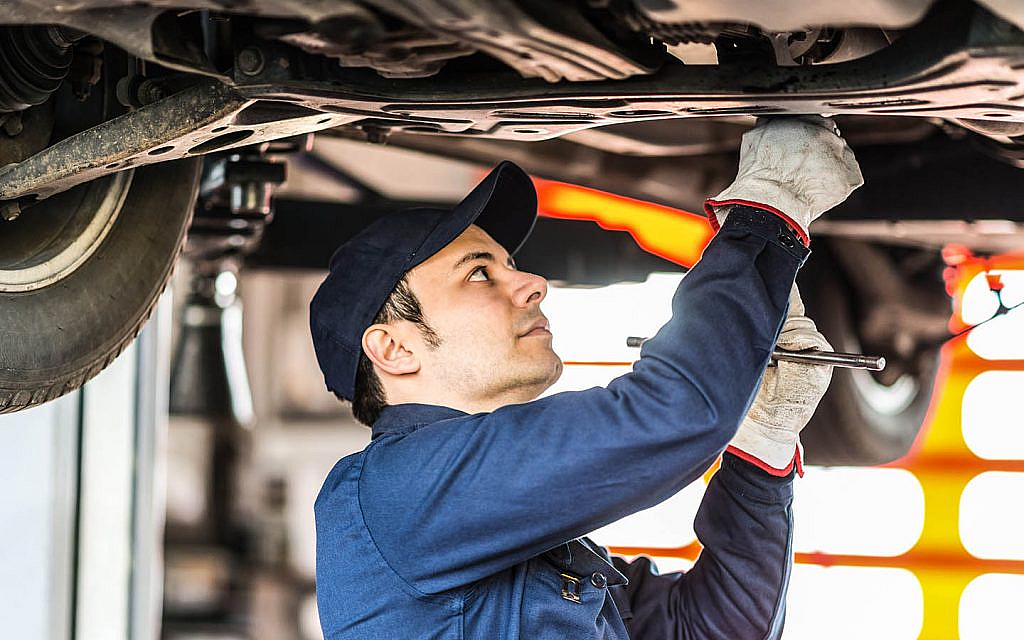
A well-maintained chassis offers several advantages. Here are the advantages that show why it’s important to maintain an auto chassis at home regularly.
Enhanced Safety and Longevity
A strong, rust-free chassis improves the structural integrity of your vehicle. It helps make it safer in the event of an accident. Moreover, a healthy chassis reduces overall wear and tear on a car, prolonging its life. By keeping the undercarriage rust-free and well-lubricated, you can ensure that the vehicle remains reliable for years.
Better Performance
Properly maintained and lubricated suspension and steering components lead to smoother handling and improved fuel efficiency. This leads to better control, especially on rough or uneven terrains and ensures a smooth driving experience.
Increased Resale Value
A clean, rust-free chassis can significantly increase the value of your car if you decide to sell it. Using different ways to maintain a car chassis at home makes the vehicle more attractive to discerning buyers.
Cost Savings on Repairs
Routine inspections help identify and fix minor car repairs before they escalate into major, expensive issues. Keeping a chassis in good condition can prevent damage to other systems, like the engine and suspension.
Prevention of Rust and Corrosion
Cleaning and applying protective coatings prevent car body rust from eating away at the chassis. It especially aids in areas exposed to salt, moisture and debris. Rust prevention is a crucial step whether you maintain an auto chassis at home or get it done professionally. It extends the lifespan of a vehicle and helps avoid costly repairs.
FAQs
How to protect a car chassis from rust?
To protect a car’s chassis from rust, apply a high-quality undercoating or rust-proof sealant and regularly clean the undercarriage.
What can I use to clean my chassis?
Use a degreaser or chassis cleaner along with a high-pressure water hose to effectively clean your car’s chassis.
How do you strengthen a car chassis?
Car owners can strengthen a chassis with reinforcements like strut bars, roll cages or frame braces to enhance rigidity and handling.
That was our quick guide on how to maintain an auto chassis at home. These steps will help you keep your car’s longevity and functionality and protect it from external factors such as rust. These tips will also help car owners who are planning to buy a new car in the UAE so they can maintain their rides regularly. However, if you are a beginner at these car DIYs, it’s best to consult a professional.
To learn more car maintenance tips and tricks, keep reading dubizzle’s cars blog.
Related Posts