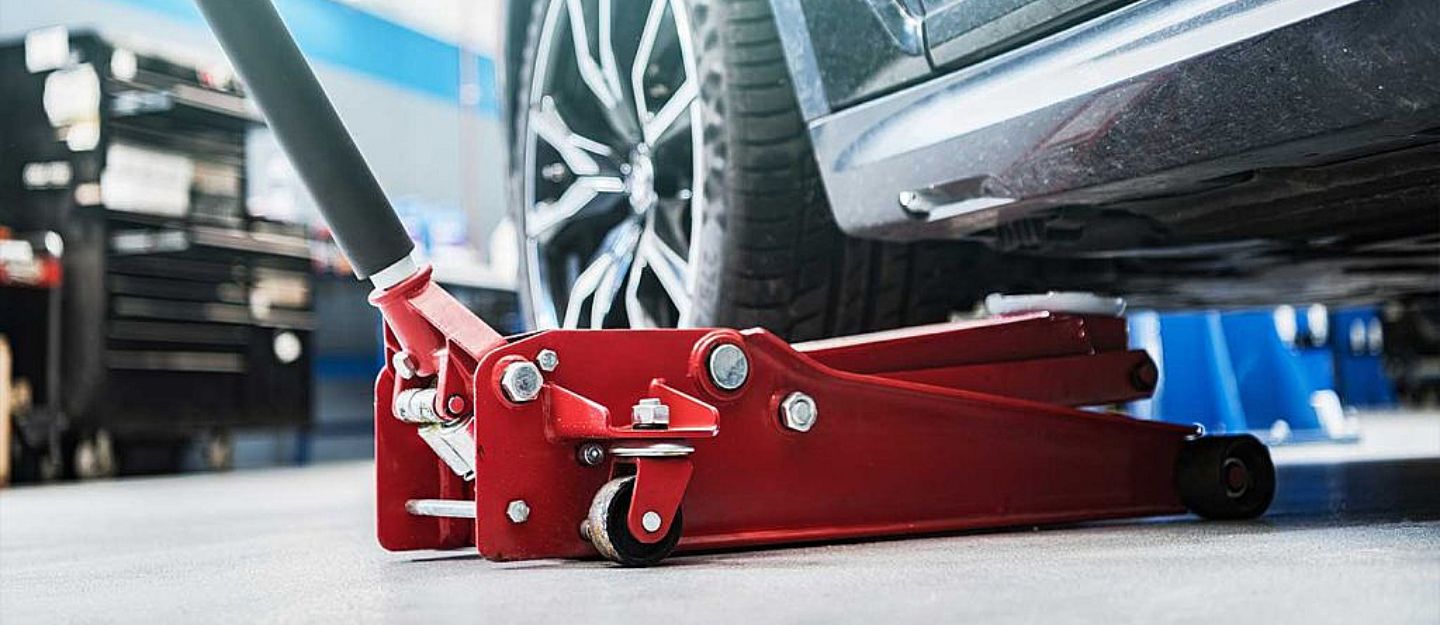
Regular maintenance is a given for any functional vehicle. The minor repairs and tweaks help keep the car’s optimal performance. While many places offer such services, some car owners tend to do them themselves. For that, they usually own a set of DIY tools for hoisting including car ramps or jack stands.
Although both tools are used for the same purpose, they do have some differences. Each comes with a set of pros and cons. That said, here is a quick rundown of car ramps vs jack stands and the instances each tool is best suited to.
What are Jack Stands and Car Ramps?
Jack stands and car ramps are tools used for lifting vehicles to facilitate maintenance and repairs. Jack stands are sturdy supports that hold the vehicle in place after it has been lifted with a car jack, providing stability and safety.
Car ramps, on the other hand, are inclined platforms that allow a vehicle to be driven up onto them. They raise the car to a fixed height for easy access to its underside.
Moving forward, here’s a look at the car ramps vs jack stands comparison.
Jack Stands Versus Car Ramps
Car ramps or jack stands are used in different DIY car repairs for car owners such as oil change. They are also important for professional services for lifting a vehicle to access the underside for maintenance or repairs.
Be it inspecting the exhaust system or performing brake work, both tools help elevate the vehicle off the ground to safely work underneath it. However, some differences set these two apart. Let’s learn the pros and cons of car ramps vs jack ramps.

Pros of Jack Stands
Here are some advantages of using jack stands.
Enhanced Safety
A jack stand provides secure and stable support for a vehicle. They reduce the risk of the car slipping or falling while you’re working underneath it, especially compared to relying solely on a car jack.
Adjustable Height
Most jack stands are adjustable. They allow you to set the exact height needed for a specific task, offering more flexibility.
Durability and Strength
Durability is an important factor in car ramps vs jack stands comparison. Jack stands are made of durable materials like steel, capable of supporting a wide range of vehicle weights. This makes them a reliable choice for various automotive tasks such as jacking up a car safely.
Higher Lifting Capacity
Jack stands are designed to handle a greater weight capacity compared to most car ramps. They can support heavier vehicles or loads, which is especially useful for mechanics or for those working on pickup trucks or SUVs.
Cons of Jack Stands
Although quite useful for car repairs, there are some downsides to using jack stands such as damage to a car’s undercarriage. Some of them are mentioned below.
Risk of Incorrect Placement
When it comes to car ramps vs jack stands rundown, correct car placement is a top priority. If jack stands are not positioned correctly under the vehicle’s lift points, they damage the vehicle or make it unstable. Also, they’re not very suitable for lowered cars.
Rust and Deterioration
Over time, jack stands are exposed to moisture which causes rust. Rust weakens the metal, compromising the structural integrity and safety of the stands, especially if they are heavily rusted. That said, in case of any unforeseen emergencies, it is crucial to maintain a car spare tyre and jack.
Pros of Car Ramps
Among the car ramps and jack stands differences, let’s go through some advantages of car ramps.
Ease of Use
Car ramps are straightforward to use. This ease of use makes them ideal for tasks such as oil changes, car tyre rotations and inspections.
Stability
Once a vehicle is driven onto car ramps, it rests on a wide, solid surface, which provides sound stability. This broad contact area helps distribute the different car weights evenly, reducing the risk of the car shifting or slipping.
No Need for Additional Supports
Unlike jacks, car ramps do not need extra support. Once the vehicle is on the ramps, it is securely elevated without the need for additional stabilisation. This reduces setup time and eliminates the risk of improper placement, making the process safer.
Low Maintenance
Car ramps generally require minimal upkeep compared to jacks and jack stands. They have fewer moving parts and are often made from durable materials like treated metal or plastic that resist rust and corrosion. This durability makes them a long-lasting tool for the upkeep of a vehicle maintenance checklist.
Cons of Car Ramps
Here are some disadvantages of car ramps.
Fixed Height
Car ramps have a set height that limits how high you can lift the vehicle. This fixed height may not be sufficient for all types of maintenance or repairs. If you need more clearance to access specific components or work underneath larger vehicles, the ramps may not provide enough elevation.
Limited Flexibility
Car ramps require the vehicle to drive up onto them, which may not be feasible in all situations. For instance, if the vehicle’s ground clearance is too low, it might be difficult or impossible to drive onto the ramps.
FAQs
Are ramps better than jack stands?
Ramps are better for quick and easy vehicle access but lack the adjustable height and support that jack stands offer.
What are the benefits of car ramps?
Car ramps provide a stable, easy-to-use platform for elevating the vehicle. It makes them ideal for routine maintenance and minor car repairs.
What to use instead of a jack stand?
Instead of a jack stand, you can use a vehicle lift or a pair of car ramps to hoist the vehicle safely.
That is all on the features of the car ramps vs jack stands. Both tools are quite useful in car maintenance tasks. They come in handy whether it is a regular maintenance check or a part repair of a used car for sale in the UAE.
Also, if you are on the lookout for your next ride, here are new cars for sale in the UAE to consider.
To learn more about different car repairs and DIY solutions, keep reading dubizzle’s Autos blog.
Related Posts