
Research and development in the automotive sector has allowed many advancements. Eco-friendly engines, powerful road performance and efficiency of vehicles have attracted masses towards automobiles. Variable valve timing (VVT) is one such innovation that has improved the overall performance of the vehicles.
Let’s go through the variable valve timing’s working and symptoms of bad VVT solenoid:
VARIABLE VALVE TIMING
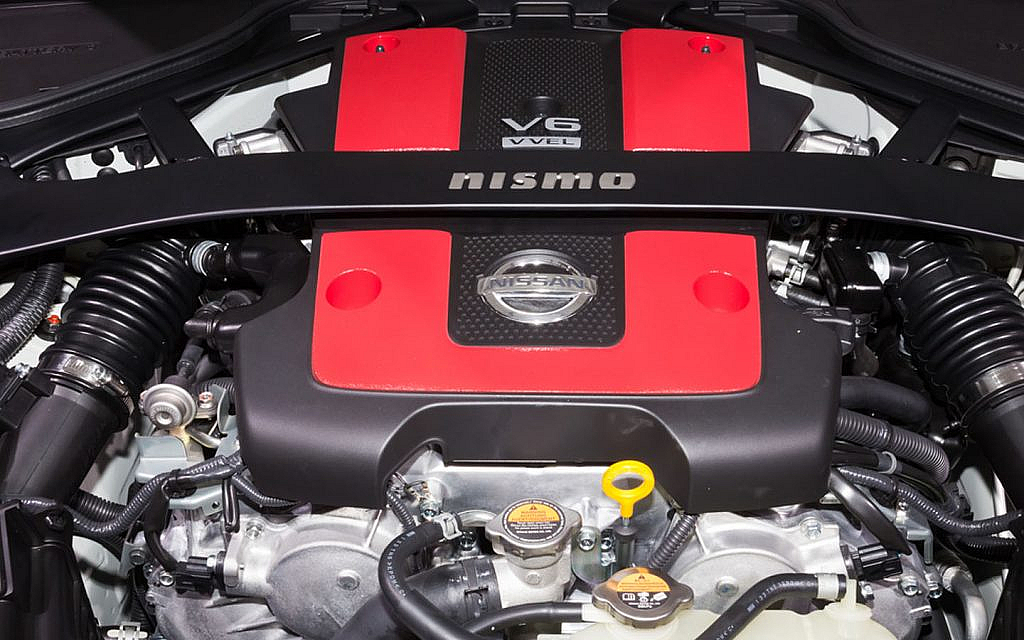
In their engine, you can find different makes and models equipped with variable valve timing solenoids. Different auto manufacturers use various acronyms for their VVT technology. For instance, Honda uses VTEC technology, Toyota has VVT-i engines and Renault and Volvo use CVVT.
A vehicle has intake and exhaust valves that work according to engine speed. Older conventional models used fixed engine speeds for valve opening and closing. Moreover, these older engines at higher rev or speed reduce the intake and exhaust valve timing. This reduces the amount of air-fuel mixture in the cylinders which result in power loss.
VVT engines are designed to overcome this deficiency of power. Engines increase the intake valve timing to fill the cylinders and the variable exhaust valve timing to improve the engine performance. This process enhances the volumetric efficiency.
Main Components of a VVT System
The elements that come into action to obtain a variable synchronisation include:

- The electronic control unit (ECU)
- Sensors
- VVT Camshaft adjuster
- Camshafts
- Solenoid valves
- Oil
Oil lubrication is essential in the variable valve timing system. Hence, keeping a check on oil levels is essential to keep all the parts in the best condition and get better performance. However, oil lubrication should be done according to the vehicle’s owner’s manual.
Here’s how VVT works.
HOW DOES VARIABLE VALVE TIMING WORK?

The variable valve timing process has varied opening and closing of valves depending on the engine speed. Moreover, there are two different types of methods for the working of VVT engines. One is the normal method in which the valve timing is set for two engine speeds. For instance, one condition of opening and closing of valves at 3500 rpm and the other at above 3500 rpm.
The second method is more advanced. For instance, modern engines such as VVT-i found in 2022 Toyota Models or Continuous Variable Valve Timing (CVVT) systems in Renault and Volvo. The CVVT system connects to the car computer and optimises the intake and exhaust valve timing. This system uses VVT solenoids to accomplish the task by connecting to the electronic control unit (ECU).
Advantages of Variable Valve Timing
The advantages gained with variable valve timing vary according to engine design. In SOHC engines, with only one camshaft, the greatest advantage of VVT technology is to reduce fuel consumption accompanied by some reduction in emissions of pollutants. It is more common in engines with two valves per cylinder.
The following improvements are obtained with the help of variable valve timing.
Improved Efficiency
That roaring sound you hear after hitting the pedal comes when VVT operates to keep your engine running. VVT not only offers improved engine efficiency but also increased torque and power. It also offers better performance at cruising speeds. VVT technology provides greater air intake at high revs, without modifying the stability of the minimum gear.
Better Fuel Economy
The variable valve timing reduces fuel consumption by 1 to 6% by improving filling efficiency. If your car variable manages and timed correctly, the engine will produce enough power without using a lot of fuel. The gas mileage will also increase when your vehicle gets better fuel economy. This means fewer visits to the fuel station and more savings on fuel costs.
Lower Carbon Emissions
With better fuel economy you will also observe reduced carbon emissions. The variable valve controls the fuel mixture and intake of fresh air along with the exhaust of combustion gasses. This helps to improve fuel economy and reduce carbon footprints.
Increased Engine Life
With continuous maintenance and high engine performance, your engine can stay in good condition for many years. Hence, variable valve timing in your engine helps you keep it as long as possible. Besides, it also causes less noise in the engine, for example when slowing down the vehicle.
In short, the variable valve timing;
- Allows you to vary the opening and closing time of the intake and exhaust valve
- Allows you to increase or decrease the time that the valves remain open
- Increases engine performance
- Increases engine power
- Allows optimal valve timing for each engine speed
WHAT ARE THE SYMPTOMS OF A BAD VVT SOLENOID?
You can instantly know when you have a failing variable valve timing solenoid. You may face the following symptoms if the car has a bad VVT solenoid:
CHECK ENGINE LIGHT
It is one of the warning lights on the car dashboard. Check engine light may indicate many different problems such as a bad oxygen sensor or any faulty electrical or mechanical component. However, this light switches on if your car has a failing VVT solenoid. You may also feel the loss of engine power due to the disturbance in variable camshaft timing.
ROUGH IDLING
VVT of different makes doesn’t activate until the vehicle is moving at higher engine revs. While for other makes such as Toyota VVT-i technology, it adjusts at lower engine speeds. However, when you feel rough engine idling, it may be an issue of bad variable valve timing solenoid.
ROUGH ACCELERATION
Not only rough idling, but a failing VVT solenoid also affects acceleration. Besides, it affects the whole engine’s performance. Therefore, it is recommended to repair or replace the variable valve timing solenoid.
FUEL CONSUMPTION
The failing VVT solenoid also increases fuel consumption because of the uneven opening and closing of the intake and exhaust valves. Moreover, increased fuel consumption can have an impact on the environment.
The variable valve timing solenoid replacement cost may be starting from 200 AED including labour costs. It is important to repair or replace the VVT solenoids on time for proper engine performance.
This was all about variable valve timing. This technology has enhanced the engine performance at higher engine speeds. You can have a look at the following auto brands with VVT in the collection of used cars for sale in the UAE:
Keep reading the UAE’s leading auto blog to find out more about automotive technology and how they enhance the vehicle’s performance.
Related Posts