- Role of Coolant
- Causes of Low Coolant
- Signs of Low Coolant Level
- Check Coolant Level
- Diagnose Low Coolant
- FAQs
Maintaining the proper coolant level in your vehicle is critical for ensuring engine health and optimal performance. Coolant, also known as antifreeze, plays a vital role in regulating engine temperature by preventing overheating in hot conditions and freezing in cold climates. A drop in coolant level may seem insignificant at first, but if left unchecked, it can lead to engine overheating, engine failure or even permanent damage.
Whether you’re a seasoned driver or a new car owner in the UAE, understanding how to diagnose a low coolant level can save you from unexpected breakdowns, costly repairs and major inconvenience.
Understanding the Role of Coolant
Coolant circulates through the engine and car radiator to absorb and dissipate heat generated during combustion. It protects engine components from thermal stress and corrosion while maintaining efficient operation. Most modern coolants are a mix of ethylene glycol or propylene glycol with water and corrosion inhibitors. In a region like the UAE, where high temperatures are the norm, an efficient cooling system is essential to prevent engines from overheating, blown head gaskets and engine failure.
Common Causes of Low Coolant Levels
Understanding the root causes of coolant loss is crucial to solving the issue effectively. Some of the most common causes include:
Leaks in the Cooling System
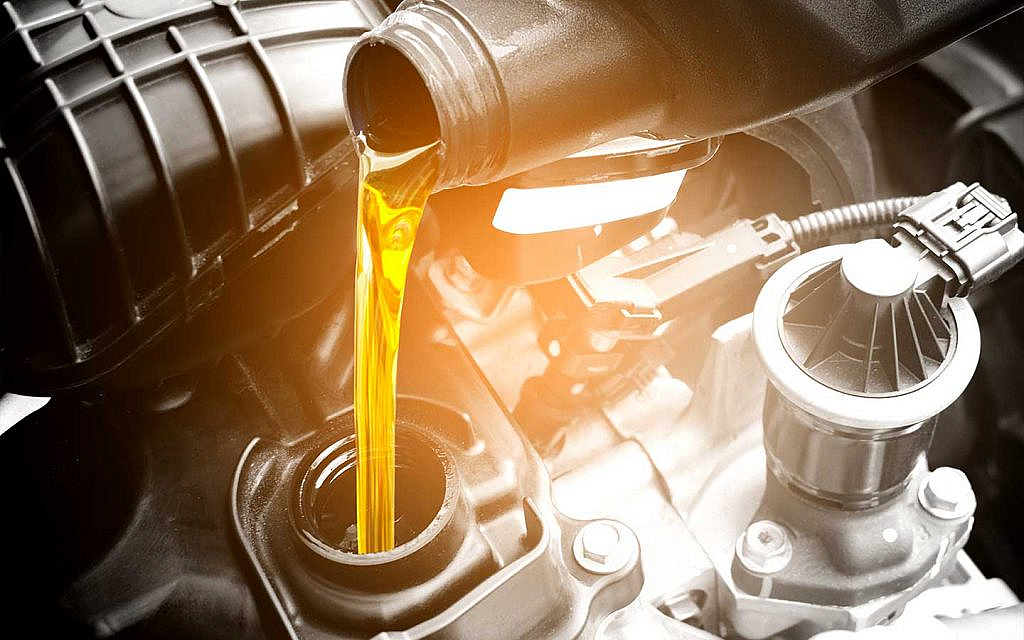
The most frequent cause of low coolant levels is leakage within the cooling system. Leaks may occur in hoses, the radiator, radiator cap, water pump or engine gaskets. These leaks allow coolant to escape, causing the reservoir level to drop gradually or suddenly. Signs of coolant leaks include visible puddles of coolant under the vehicle, a sweet smell resembling syrup or candy (due to ethylene glycol in antifreeze) and unexplained drops in coolant levels over time.

Insufficient Coolant Top-Up
Sometimes, the coolant level is low simply because it was never adequately filled during car maintenance checklist. This can happen if the coolant reservoir was not topped up properly after a flush or repair. In such cases, topping up the coolant promptly is essential to avoid engine damage.
Faulty Radiator Cap
A damaged radiator cap can cause pressure loss, leading to coolant boiling off. Similarly, cracks in the reservoir tank can allow coolant to leak or evaporate unnoticed. However, replacing the radiator cap can prevent serious engine damage.
Internal Engine Issues

A sludgy or thick coolant consistency may indicate internal problems such as a blown head gasket or contamination from engine oil. This condition causes the coolant to degrade and lose its effectiveness. Driving with contaminated coolant risks rapid overheating and severe engine damage.
Faulty Components
Malfunctioning parts like the water pump or car thermostat can disrupt coolant circulation, causing overheating and coolant loss. A failing water pump may also leak coolant and produce unusual noises from the engine bay.
Air Pockets After Coolant Flush
Improper refilling after a coolant change may result in air pockets in the cooling system. This can give false low readings and disrupt the coolant flow.
Clogged Radiator
Over time, dirt and sediment may accumulate in the radiator, restricting coolant flow and causing overheating. This can indirectly lead to coolant loss as the system struggles to maintain proper temperature.
Symptoms of Low Coolant Level
Spotting low coolant early is key to preventing engine damage. Here are some common engine low coolant warning signs:
- Rising Temperature Gauge: The dashboard temperature gauge will show higher-than-normal readings, indicating the engine is overheating.
- Sweet Odour: A distinct sweet smell from the engine bay is a telltale sign of coolant leakage.
- Coolant Warning Light: Many modern vehicles have a low coolant level warning light that illuminates when the coolant drops below a safe threshold. This light is triggered by sensors in the car coolant reservoir or radiator.
- Heater Malfunction: If the cabin heater stops blowing warm air, it may be due to insufficient coolant circulating through the heater core.
- Unusual Noises: Gurgling or bubbling sounds from the engine bay can indicate air trapped in the cooling system caused by low coolant levels.
- Visible Leaks or Puddles: Coolant leaks often leave colourful puddles (green orange, yellow or pink) under the vehicle.
How to Check Coolant Level
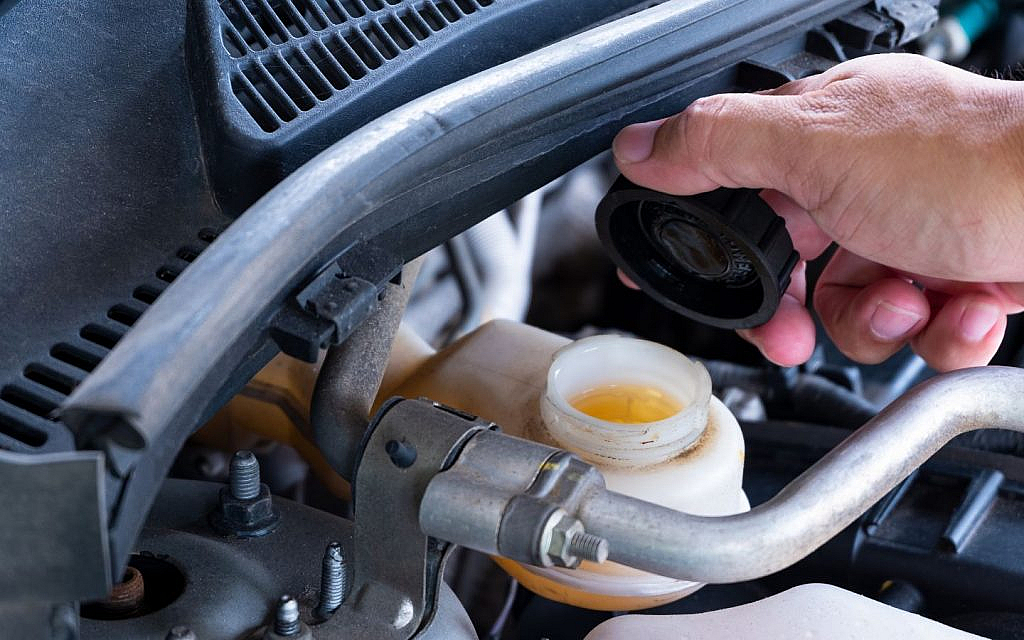
Checking coolant levels is straightforward and should be done regularly every three to six months:
- Locate the coolant reservoir tank, usually a translucent plastic container near the radiator.
- Check the level against the ‘minimum’ and ‘maximum’ markings on the side of the tank. The coolant should be between these two marks.
- If the level is low, add the appropriate coolant type or a mixture of coolant and water as specified in your vehicle’s manual. Avoid opening the radiator cap when the engine is hot to prevent burns.
- Inspect hoses and connections for visible damage or leaks. If damaged, here is how you can fix a leaking radiator hose.
How to Diagnose Low Coolant Issues
- Leak Repairs: If leaks are suspected, have a qualified mechanic inspect and repair or replace faulty hoses, radiator, car water pump or gaskets. Simply topping up coolant without fixing leaks is a temporary and unsafe solution.
- Coolant Flush: Over time, coolant can degrade and accumulate deposits. A professional coolant flush removes old fluid and contaminants, restoring system efficiency.
- Component Replacement: Faulty thermostats or water pumps require replacement by experienced technicians due to the complexity of the repair. You can conveniently purchase new or used water pumps and other auto accessories in Dubai through dubizzle.
- Radiator Cleaning: Cleaning or replacing a clogged radiator ensures proper coolant flow and prevents overheating.
FAQs
How can I tell if my low coolant level is caused by a leak or air bubbles?
Check for visible leaks under the car or around hoses, radiator and water pump. If no leaks are found and coolant drops after refill, air bubbles could be disrupting circulation.
Can I drive with a low coolant level?
Yes, but driving with a low coolant level can harm the primary and secondary parts of the engine.
How do I safely refill and maintain the correct coolant level to prevent overheating?
Wait until the engine is cool, open the reservoir cap slowly, refill with the correct coolant type up to the ‘MAX’ line, and check levels regularly.
Low coolant level is one of the critical car problems that should never be ignored. Early diagnosis through monitoring symptoms and regular checks can prevent severe engine damage and costly repairs. If you notice any signs of low coolant, take immediate action by topping up coolant and consulting a professional mechanic for a thorough inspection and repair. Maintaining your vehicle’s different car cooling systems in optimal condition ensures longevity, reliability and safe driving performance.
If your vehicle has suffered major engine damage due to low coolant levels and repairs are no longer cost-effective, you can explore a wide selection of new cars for sale in the UAE on dubizzle.
For more expert advice on car maintenance, stay tuned to dubizzle’s auto blog.
Related Posts