Safety has always been a central focus in Formula One, where high speeds and intense competition create significant risks for drivers. Over the years, the sport has introduced numerous innovations to improve driver protection and one of the most significant advancements in modern racing is the Halo device. Introduced in 2018, the halo device has transformed cockpit safety and has proven to be a life-saving addition to Formula One cars.
F1 Halo Safety System Explained
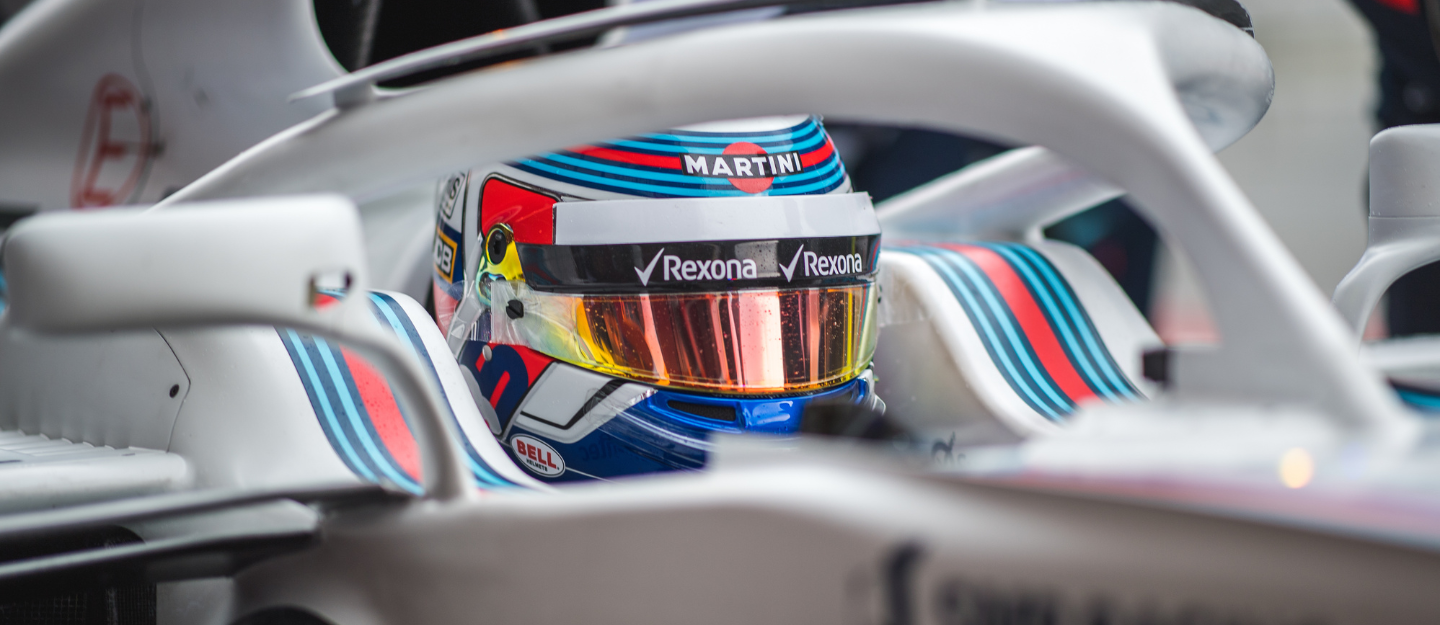
The Halo in F1 car racing is a curved titanium structure mounted above the driver’s cockpit, introduced by Fédération Internationale de l’Automobile (FIA) for the 2018 season. The halo structure and design in F1 are to protect the head from debris and impact during crashes. It consists of a central pillar connected to a ring surrounding the cockpit opening, capable of withstanding significant forces.
Weighing approximately 7 kilograms, the Halo can withstand loads of up to 12 tonnes, ensuring robust protection without significantly compromising performance. Despite initial concerns about aesthetics and visibility, it quickly became an essential driver safety feature across all F1 cars.
The history of Halo in Formula 1
The introduction of the Halo in F1 car racing was driven by a series of serious accidents in motorsport, where drivers suffered head injuries from flying debris or collisions. Incidents in both F1 and other racing categories highlighted the vulnerability of open-cockpit designs.
After extensive research, testing and evaluation of multiple safety concepts, the sport’s governing body, the FIA, approved the Halo as the most effective solution. Its primary goal was to reduce the risk of fatal head injuries while maintaining the integrity of open-wheel racing.
How Does the Halo Improve Safety?
The Halo is a prime example of F1 safety innovations that protect in several critical scenarios:
1. Protection from Debris
In high-speed racing, even small fragments can become dangerous projectiles capable of causing serious injury. The Halo acts as a barrier, deflecting debris such as tyre pieces, carbon fibre shards or loose components away from the driver’s head. This significantly reduces the risk of direct impact in open-cockpit conditions.

2. Impact Absorption
During major crashes, particularly rollovers or high-speed collisions with barriers, the Halo helps absorb and redistribute impact forces. Its robust titanium structure prevents heavy components from striking the driver. This added layer of protection plays a crucial role in reducing the severity of head injuries.
3. Vehicle-to-Vehicle Collisions
In close racing scenarios, cars can collide or even mount over one another, creating dangerous situations for drivers. The Halo acts as a protective buffer, preventing F1 tyres or large components from making direct contact with the driver’s helmet. This is especially important in high-impact collisions where overlapping cars can pose life-threatening risks.
Real-Life Incidents Where Halo Saved Lives
Since its introduction, the impact of halo on F1 racing safety has been credited with saving multiple lives in this thrilling motorsport and other racing series.
2020 Bahrain Grand Prix – Romain Grosjean
During the opening lap, Grosjean’s car crashed into a metal barrier at high speed, splitting into two and erupting into flames. The impact was severe, creating one of the most shocking moments in modern F1 history.
The Halo played a critical role by absorbing the impact and creating a survival space, allowing Grosjean to escape seriously unharmed.
2022 British Grand Prix – Zhou Guanyu
At the start of the race, Zhou’s car flipped upside down and slid across the track before crashing into the barriers. The car continued moving while inverted, creating a highly dangerous situation.
The roll hoop failed during the incident, leaving the Halo as the primary protective structure. It kept Zhou’s head from hitting the ground and he was extracted from the car without any injuries.
2018 Belgian Grand Prix – Charles Leclerc
In a multi-car collision at the start, Fernando Alonso’s car was launched into the air and passed directly over Leclerc’s cockpit. It was one of the first major tests of the Halo after its introduction.
The Halo deflected the incoming car, preventing it from striking Leclerc’s F1 helmet. Post-race analysis confirmed that without it, the impact could have caused serious injury, but Leclerc remained unharmed.
Formula 2 Silverstone Race 2022 – Roy Nissany
During the race, Dennis Hauger’s car was launched over a kerb and landed directly on top of the other car’s cockpit. The impact was sudden and potentially life-threatening. The Halo absorbed the force of the collision and prevented the underside of the other car from hitting Nissany’s head.
2021 Italian Grand Prix – Lewis Hamilton
During a close battle, Max Verstappen’s car went airborne and landed on top of Hamilton’s car. The rear tyre came dangerously close to Hamilton’s head.
The Halo absorbed the weight of the car and prevented the tyre from making direct contact. Hamilton escaped with only minor discomfort, later acknowledging the Halo’s role in protecting him.
Initial Criticism and Acceptance
When the Halo was first introduced, it faced criticism from fans and some drivers who felt it disrupted the traditional look and aerodynamics of F1 cars. Concerns were also raised about visibility and driver extraction in emergencies.
However, as drivers adapted and real-world incidents demonstrated its effectiveness, opinions shifted significantly. Today, the Halo is widely accepted as a necessary and indispensable safety feature.
Impact Beyond Formula One
The success of the Halo in F1 car racing has influenced its adoption in other racing categories, including Formula 2, Formula 3 and various junior series. Its proven ability to prevent life-threatening injuries has made it a standard in open-wheel racing worldwide. This broader implementation reflects a growing commitment across motorsport to prioritise driver safety without compromising competitive performance.
FAQs
Why was the Halo introduced?
The Halo was introduced to prevent head injuries in open-cockpit racing after several serious accidents highlighted the vulnerability of drivers to debris and collisions.
Is the Halo used in other racing categories?
Yes, it is now mandatory in Formula 2, Formula 3 and other junior open-wheel categories.
Can the Halo withstand extreme impacts?
The titanium Halo can withstand forces up to 12 tonnes, protecting drivers even in high-speed crashes and rollovers.
The Halo in F1 car racing is one of the most significant safety innovations in the sport, proven to save lives despite early criticism. By protecting drivers from debris, collisions and severe impacts, it has redefined cockpit safety and set a new standard in modern motorsport.
On another note, those looking for a new ride for their next thrilling adventure, here are new cars for sale in the UAE that come equipped with an array of the latest features.
To learn more about F1 car racing and its safety features, keep reading dubizzle’s autos blog.
Related Posts