
- What is Fraying Seat Belt
- Causes of Seat Belt Fraying
- Seat Belt Inspection
- Minor Fixes
- Replacement
- Preventive Measures
- FAQs
Seat belts are among the most critical safety components in any vehicle. Designed to withstand extreme force during a collision, they significantly reduce the risk of serious injury and fatality. However, like any frequently used component, seat belts can deteriorate over time. One of the most common issues drivers overlook is fraying seat belts, which weaken the belt and compromise safety.
What Is a Fraying Seat Belt?
Seat belt webbing is made from high-strength woven polyester fibres engineered to absorb and distribute crash forces. Fraying occurs when these fibres begin to wear out, loosen or break. It often starts at the edges but can spread across the belt if left unaddressed.
While minor surface fuzz may appear harmless, significant fraying compromises the belt’s tensile strength. In a high-impact crash, a weakened belt may fail to perform as designed.
Why a Fraying Seat Belt Is Dangerous
Seat belts are designed to meet strict safety standards and work with airbags and pretensioners. A frayed belt can lose strength, tear in a crash or fail to restrain occupants, increasing the risk of serious injury. Understanding the benefits of wearing a seat belt underscores why it is essential to keep them in good condition, as even minor fraying can reduce their effectiveness. Much like in many countries, driving with damaged seat belts is unsafe and in the UAE, it can also lead to an inspection failure.
Common Causes of Fraying Seat Belts
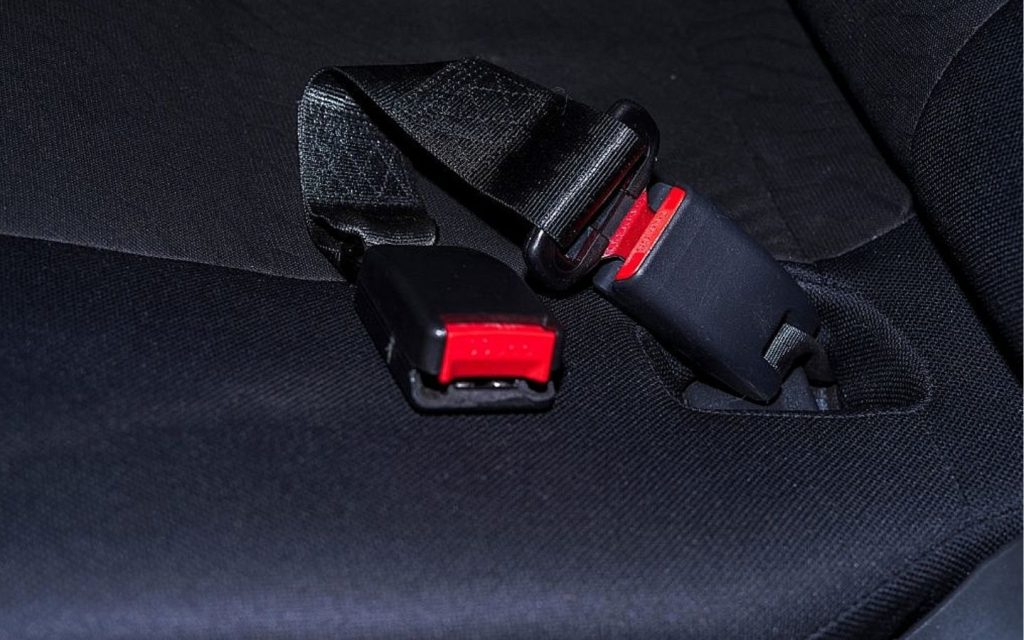
Understanding the common fraying seat belt issue can help you prevent premature damage.
Regular Wear and Tear
Seat belts are pulled, released and retracted thousands of times over a vehicle’s lifetime. Continuous friction against clothing, buckles and seat edges gradually weakens the webbing.
UV Exposure and Heat
Prolonged exposure to sunlight can degrade polyester fibres. In regions with high temperatures, such as the UAE, excessive heat inside parked vehicles can accelerate material deterioration.

Sharp Edges and Snagging
Seat belts may rub against seat frame edges, door panels, child seat brackets or sharp objects carried by passengers. Repeated snagging against these surfaces can gradually cut or tear the webbing, compromising its strength over time.
Dirt, Chemicals and Improper Cleaning
Grease, oil and harsh cleaning agents can weaken the belt fibres. Using bleach or strong solvents can cause long-term structural damage. Moreover, washing seat belts with a pressure wash can also damage and weaken the seat belt webbing.
Twisting and Retractor Problems
If the seat belt twists frequently or does not retract smoothly, uneven tension increases wear on certain sections. Dirt buildup inside the retractor mechanism can worsen the issue.
How to Inspect Your Seat Belts
A quick inspection can help you identify early signs of wear.
- Pull the belt out fully and inspect the entire length.
- Look for loose threads, cuts, burns or deep abrasions.
- Check for faded, stiff or brittle sections.
- Ensure the belt retracts smoothly without twisting.
- Test the buckle to confirm it locks securely and releases properly.
If you notice visible damage, replacement is strongly recommended.
Fixing a Fraying Seat Belt
If the damage is minor and limited to dirt buildup or twisting, basic maintenance may help restore functionality. However, structural damage requires replacement rather than repair. The minor maintenance includes:
- Clean it using mild soap and lukewarm water.
- Allow it to air dry completely before retracting.
- Remove twists to make proper alignment.
Avoid stitching, taping or glueing frayed edges. Seat belts are precision-engineered safety components and DIY fixes can compromise their structural integrity and crash performance.
When to Replace the Seat Belt
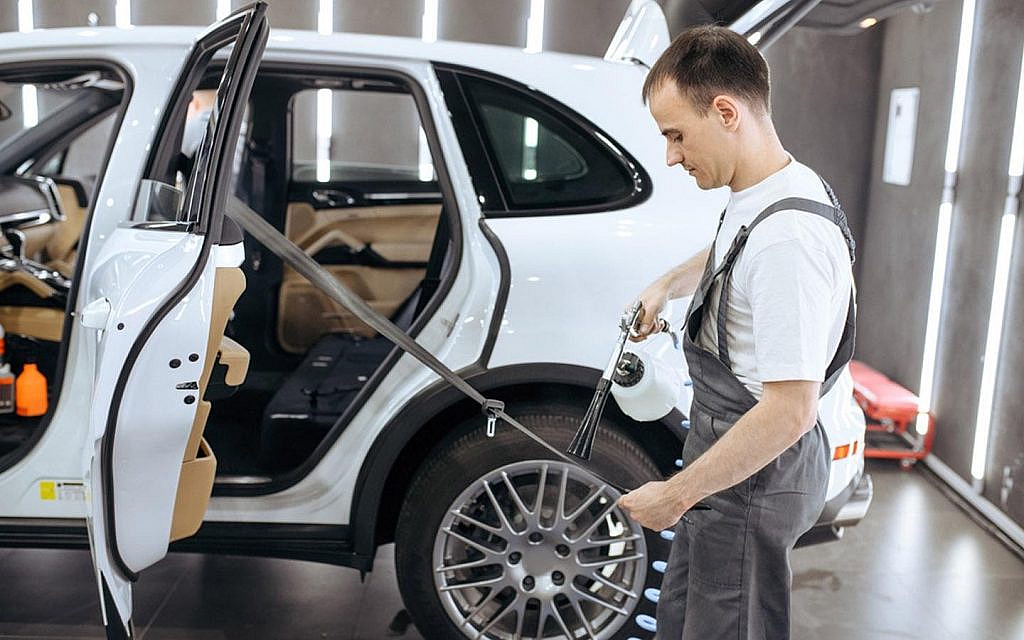
Replacement is necessary if you observe:
- Deep fraying or torn fibres
- Cuts or burn marks
- Weak stitching
- Damage after an accident
- Malfunctioning retractor or seat belt pretensioner
Replace the Entire Assembly
The safest solution is replacing the full seat belt assembly, which includes:
- Webbing
- Retractor
- Pretensioner
- Buckle mechanism
After a collision, even if the belt appears intact, internal components may be compromised and require inspection.
Rewebbing Services
Some specialised workshops offer seat belt rewebbing, where only the webbing material is replaced. While this may be a cost-effective option, make sure that the service provider complies with recognised safety standards.
Preventing Seat Belt Fraying
You can extend the lifespan of your seat belts by:
- Avoiding slamming doors on seat belt extenders
- Ensuring belts retract fully when not in use
- Keeping the interior clean
- Avoiding exposure to harsh chemicals
- Addressing retractor issues promptly
Regular inspection should be part of your routine vehicle maintenance checklist.
FAQs
Is it safe to drive with a fraying seat belt?
Driving with a fraying seat belt is not safe, as the damage reduces its tensile strength and ability to withstand crash forces. Even minor visible wear can compromise the belt’s effectiveness during a collision.
Will a fraying seat belt fail vehicle inspection in the UAE?
Yes, a visibly damaged or frayed seat belt can result in an inspection failure, as seat belts are mandatory car safety features under UAE traffic regulations.
Can heat and sunlight cause seat belts to fray?
Yes, prolonged exposure to high temperatures and UV rays can weaken polyester fibres, making the webbing brittle over time.
Seat belts are not optional safety accessories; they are lifesaving devices. A fraying seat belt may seem minor, but it significantly reduces occupant protection in the event of a crash.
If you notice any signs of damage, prioritise inspection and replacement. Several car seat accessories in the UAE are readily available, ensuring your vehicle’s safety systems are in optimal condition.
If your vehicle keeps experiencing recurring mechanical issues despite repeated repairs, it may be time to consider upgrading. Browse a range of used cars for sale in the UAE to find a model that suits your needs.
Stay tuned to the dubizzle’s auto blog to know more about common car problems and their fixes.
Related Posts