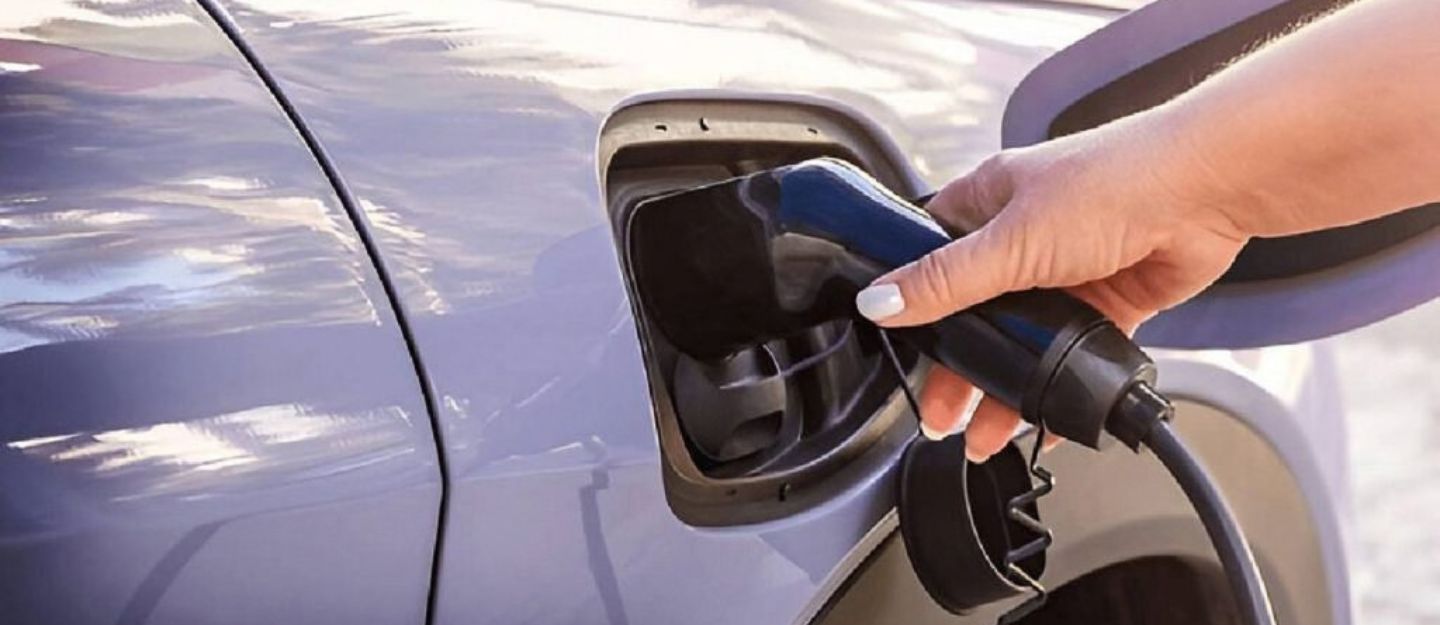
The automotive industry is undergoing a major shift as leading manufacturers launch their first electric vehicles. Sustainability, efficiency and cutting-edge technology are now core drivers of brand strategy. Early electric models showcase decades of engineering expertise, packed into innovative, zero-emission platforms. Consumer interest is increasing rapidly, driven by environmental concerns and regulatory incentives. The first electric cars of leading auto brands highlight the shift in future mobility trends.
The First Electric Cars of Leading Auto Brands
The move towards electrification represents a shift from traditional internal combustion engines. Leading auto brands have invested heavily in research and development to ensure a seamless transition. Initial electric models serve as both a technological showcase and a statement of long-term commitment to green mobility. The launch of these vehicles also signals a competitive landscape where innovation and brand reputation are tightly intertwined.
Below are the leading car brands’ first EVs.
Tesla: Roadster (2008)
The Tesla Roadster marked the company’s entry into the electric vehicle market, establishing a reputation for innovation and performance. As Tesla’s inaugural model, it demonstrated that electric cars could deliver high levels of driving excitement while challenging traditional perceptions of range and capability. The Tesla Roadster laid the foundation for the brand’s subsequent line-up, influencing the broader EV industry.
Nissan: Leaf (2010)
The Nissan Leaf was among the first mass-market electric vehicles from an established manufacturer. Its launch signalled that electric cars could be practical and accessible for everyday use.

BMW: i3 (2013)
BMW’s first electric car, the i3, reflected a focus on sustainability and urban efficiency. It integrated innovative design and lightweight materials, signalling a new approach to mobility. The i3 demonstrated how a legacy brand could combine traditional performance values with environmental responsibility. The BMW i3 was one of the cars discontinued in 2022; however, it remains a significant mention in the brand’s history.
Audi: e-tron (2018)
Audi entered the electric vehicle market with the e-tron, a luxury SUV representing its commitment to electrification. The model showcased advanced technology and brand refinement while signalling the beginning of Audi’s electric mobility strategy.
Mercedes-Benz: EQC (2019)
Next on the list of first electric vehicles by top auto brands is the EQC. Mercedes-Benz introduced its first fully electric SUV, the EQC, signalling the beginning of its EQ sub-brand focused on electrification. The EQC combined traditional Mercedes luxury with innovative electric technology, marking a key step in the brand’s transition to sustainable mobility.
Honda: e (2020)
Honda’s first fully electric vehicle, the Honda e, focused on urban mobility and practicality. Its compact size and innovative design showcased Honda’s approach to EV technology while maintaining the brand’s reputation for reliability and user-friendly engineering.
Land Rover: Range Rover PHEV and Beyond
Land Rover first entered the electrified market with plug-in hybrid vehicles before planning fully electric models. Early electrified variants paved the way for future EV launches, demonstrating how off-road and luxury performance could be integrated with low-emission technology.
Porsche: Taycan
Porsche entered the electric vehicle market with the Taycan, marking a strategic step for the high-performance brand. The Porsche Taycan combined the brand’s signature driving dynamics with cutting-edge electric technology, demonstrating that performance and sustainability could coexist.
Volkswagen: ID.3 (2019)
Volkswagen entered the electric vehicle market with the ID.3, signalling a major strategic shift toward electrification. The model had an impressive EV range alongside good performance specs. The model represented Volkswagen’s commitment to mass-market EV adoption and marked the beginning of the ID family of electric vehicles.
Hyundai: Sonata Electric Vehicle (2010)
Hyundai’s first electric vehicle was the Sonata Electric Vehicle, introduced regionally as an early fully electric sedan. It represented Hyundai’s initial experimentation with battery-electric technology and provided the foundation for subsequent models such as the Kona Electric.
Ford: Ranger EV (1998) / Mustang Mach-E (2020)
Ford’s first fully electric vehicle was the Ranger EV, introduced as a limited-market electric pickup. Later, the Mustang Mach-E expanded the brand’s EV presence globally, showing Ford’s commitment to electrification across multiple segments.
FAQs
Why is the first electric vehicle by top auto brands important?
Top automakers’ first electric car is significant because it demonstrates technological innovation, brand vision and commitment to sustainability.
Which luxury brands introduced electric cars first?
The luxury brands that introduced electric cars first are Porsche, Jaguar, Ferrari, Audi and Mercedes-Benz.
Are the first EV models still available or collectible?
Some first EV models are still in production, while others were one-off cars that have been discontinued and are now considered collectable.
There you have it, a comprehensive overview of the first electric cars of leading auto brands. The first EVs of luxury car brands illustrate a spectrum of approaches. Each vehicle reflects its manufacturer’s priorities while influencing broader industry trends. These pioneering models demonstrate the automotive sector’s shift toward sustainable, technologically advanced mobility and set benchmarks for the future of EVs in the world.
Similarly, many first cars of leading auto brands are also considered vintage. Many of the vehicles are still available in the market. Discerning buyers can find a variety of used and new cars for sale in the UAE, consisting of all-electric, hybrid and petrol-engine models.
Stay tuned to dubizzle’s auto blog to learn about the history of automobiles and more.
Related Posts