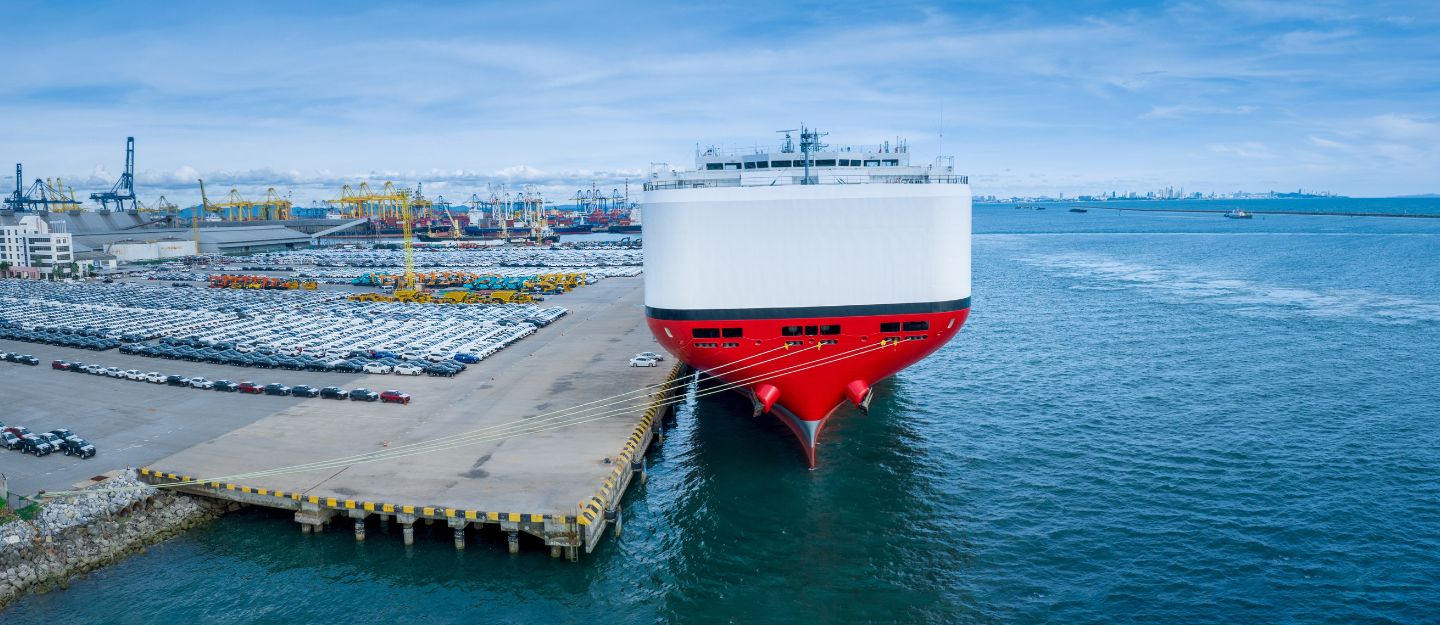
With a growing cross-border vehicle trade, the UAE is a thriving re-export hub for neighbouring and other regional countries. The Emirates has a diverse car market filled with options. Laws, requirements and regulations vary for exporting cars from country to country. For those looking to export a car to Kazakhstan from the UAE, there is a set of legalities, criteria and key considerations to keep in mind.
Exporting Vehicle From UAE to Kazakhstan – Key Considerations
Important considerations to make when exporting a car from the UAE to Kazakhstan include the following.
1. Vehicle Eligibility & Export Requirements
Before starting the export process, your car must pass an RTA inspection. This makes sure the vehicle meets UAE safety and legal standards. Once approved, you’ll receive a vehicle export certificate and plates—both are mandatory for shipping.
Meanwhile, check that your vehicle meets Kazakhstan’s import rules:
- Age Restrictions: Kazakhstan usually limits the import of cars that are more than 7 to 10 years old.
- Emissions: Vehicles must meet Euro-4 or higher standards.
- Steering: Only left-hand drive vehicles are allowed.
2. Required Documentation
Paperwork is necessary for the export process in the UAE and the import procedures in Kazakhstan. Missing or incorrect documents may cause delays, fines or rejection at customs.
Essential documents for exporting a car include:
- Vehicle registration (Mulkiya)
- RTA export certificate
- Purchase invoice
- Police clearance
- Passport and Emirates ID (for UAE residents)
- Kazakh importer’s ID or business license
- Bill of Lading
- Customs declarations (both UAE & Kazakhstan)
3. Deregistration and Export Certificate in the UAE
Before your vehicle can be legally shipped out of the UAE, it must be formally deregistered. This involves a few key steps:

- Visit the RTA to deregister the car
- Obtain an official export certificate
- Return the license plates
- Pay off all outstanding fines, tolls (Salik) and loans
- Undergo a vehicle inspection if required by RTA
4. Shipping and Logistics Options
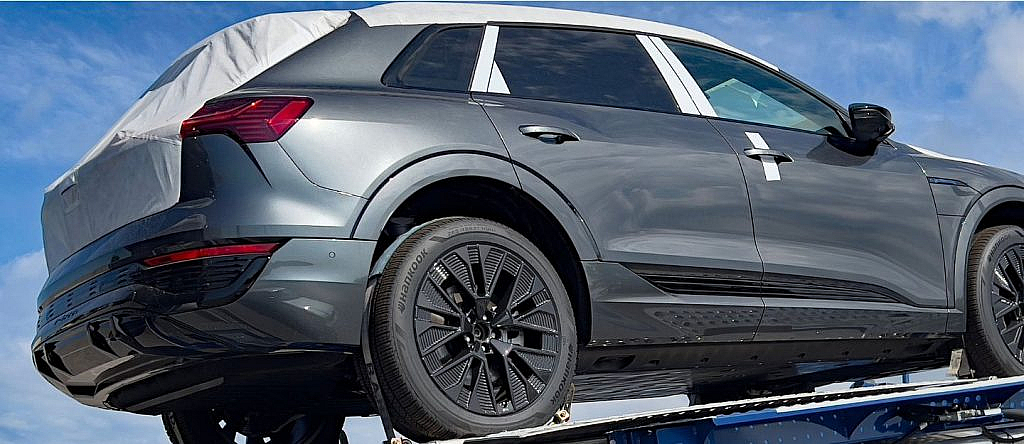
The UAE offers several reliable channels for different timelines, budgets and vehicle types. Whether you’re exporting a standard sedan or a high-end SUV, your shipping choice can significantly affect cost, transit time and vehicle protection.
Exporters can choose from several transportation modes based on urgency, available budget and destination:
- Container Shipping
In this method, the vehicle is placed in a 20- or 40-foot sealed container. This ensures maximum protection from environmental and handling risks. Container shipping is ideal for high-value or luxury cars, as only your cargo is stored inside. - RoRo (Roll-on/Roll-off) Shipping
A cost-effective option where vehicles are driven onto and off the shipping vessel. Given that this mode is economical it offers less protection than container shipping. This mode of transport is best suited for standard cars. - Air Freight
Though significantly more expensive, air freight is typically used for urgent shipments or high-value vehicles that require quick deliveries. Transit time for air freight can be as short as 5–10 days from the UAE to Kazakhstan.
Key Ports and Transport Routes:
- Jebel Ali Port (Dubai): The UAE’s largest and most advanced port, Jebel Ali is a major hub for vehicle exports. It supports both Roll-on/Roll-off (RoRo) and containerized shipping. This is what makes this port a preferred choice for exporting cars to Central Asia, including Kazakhstan.
- Khalid Port (Port of Sharjah): While smaller, Khalid Port is a viable alternative for vehicle exports. It handles containerized cargo and some RoRo services, although capacity and availability may be more limited than Jebel Ali.
- Port of Aktau (Kazakhstan): Located on the Caspian Sea, this is Kazakhstan’s key maritime gateway. Vehicles can reach Aktau from the UAE via transshipment through Iranian or other Gulf ports, though this route is less common due to regional logistics and geopolitical considerations.
- Overland Routes:
- Iran Route: Vehicles are trucked from UAE through Iran and into Central Asia, though this requires transit permits and may face logistical delays.
- Caspian Route: Cars can be shipped from UAE to Georgia (Poti/Batumi) or Azerbaijan (Baku), then trucked into Kazakhstan. This is a frequently used multimodal route.
- Russia Route: Overland transport via Russia is technically possible but less commonly used due to longer distances and customs complexities.
5. Customs Duties and Taxes in Kazakhstan
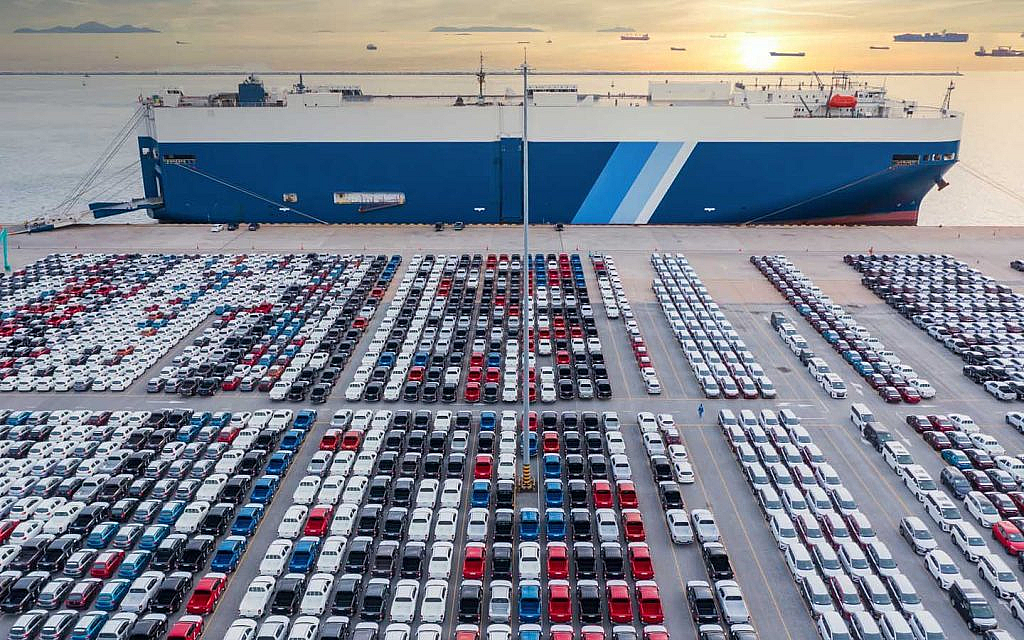
Kazakhstan imposes a variety of taxes and duties on imported vehicles. Once the car arrives in Kazakhstan, the following fees usually apply:
- Import Duty: Calculated based on engine displacement (cc) and vehicle age, as per the Eurasian Economic Union (EAEU) tariff system.
- For new vehicles (under 3 years old), duties typically translate to an effective cost of 15% to 18% of the vehicle’s customs value.
- For used cars (older than 7 years) or large-engine vehicles, fixed rates (up to €5.8 per cc) can result in significantly higher costs, sometimes exceeding 30% of the vehicle’s value.
- Value Added Tax (VAT): 12% on the vehicle’s assessed CIF (cost, insurance, freight) value.
- Excise Tax: Applicable based on engine displacement.
- Customs Clearance Fees: Vary based on the shipment method and processing agent.
In addition to these charges, certain documents are mandatory for customs clearance. One of the key documents is the technical passport (vehicle registration certificate), which details the vehicle’s specifications—such as VIN, engine number, year of manufacture and emissions class. This document helps determine the applicable taxes and ensures the vehicle meets local regulations.
Note: Newer cars (under 3 years old) attract significantly lower duties, especially if they meet Euro-5 or higher emission standards.
6. Technical Modifications and Compliance
After the car arrives in Kazakhstan, it must meet the necessary safety and environmental standards. This may require:
- A technical inspection
- Adjustments such as converting headlights or speedometers to meet local specs
- Conformity certificates to ensure compliance with local safety and environmental standards
7. Use of a Customs Clearing Agent
Going through the customs process in a foreign country can be challenging. Hiring a professional customs agent in Kazakhstan is highly advisable. These agents:
- Handle all the paperwork
- Ensure compliance with local laws
- Streamline the customs and registration process
Many UAE-based exporters also offer end-to-end services, including shipping and documentation.
8. Final Vehicle Registration in Kazakhstan
After customs clearance, the vehicle must be registered with Kazakhstan’s local authorities. The process for registration is as follows:
- Register the vehicle with the local traffic authorities
- Pay applicable registration and license plate fees
- Obtain mandatory vehicle insurance
9. Estimated Cost to Export Car from UAE to Kazakhstan
The estimated cost for exporting a car from the UAE to Kazakhstan usually ranges between AED 11,000 to AED 20,000. The cost (freight, handling and customs-related charges) are based on the vehicle type, shipping method and destination within Kazakhstan.
The exact fees may vary from case to case based on fluctuating market rates and service provider charges. For the most accurate and updated pricing, exporters are advised to consult RTA and licensed shipping companies directly.
For more details on export costs to other countries, check out these key important FAQs about exporting cars from the UAE.
FAQs
What is the duration to ship a car from the UAE to Kazakhstan?
Shipping duration depends on the mode of transport chosen. By sea and road, it usually takes 3 to 5 weeks, while air freight can take 5 to 10 days. Overland routes may vary depending on border processing and seasonal conditions.
Can I export a financed car from the UAE to Kazakhstan?
No. You must settle any outstanding loans and get bank clearance first.
Do I need to be present in Kazakhstan to register the imported car?
Yes, you (or an authorized representative) must be physically present in Kazakhstan to register an imported car.
Is transit insurance required for car export from UAE to Kazakhstan?
Transit insurance is optional but recommended to protect the vehicle against damage or loss during international transport.
These are some of the key things to consider when exporting a car to Kazakhstan from the UAE. Understanding local laws, preparing accurate documents and choosing reliable shipping partners can make all the difference, ensuring a seamless experience.
Besides, if you’re considering importing a vehicle into the UAE, the process involves its own set of laws, regulations and costs. They may vary by country of origin. Moreover, here are some relevant details pertaining to exporting cars from the UAE to other countries.
For those planning an export from the UAE, browsing these export cars for sale in the UAE and other emirates is a great place to start. Make sure to choose a model that meets both your preferences and Kazakhstan’s import requirements.
Stay tuned to dubizzle cars blog for more on exporting vehicles to other countries.
Disclaimer: All percentages, taxes and cost estimates provided are subject to change depending on regulatory updates, shipping conditions and service provider fees. We recommend verifying all figures with official authorities or your logistics partner before initiating the export process.
Related Posts