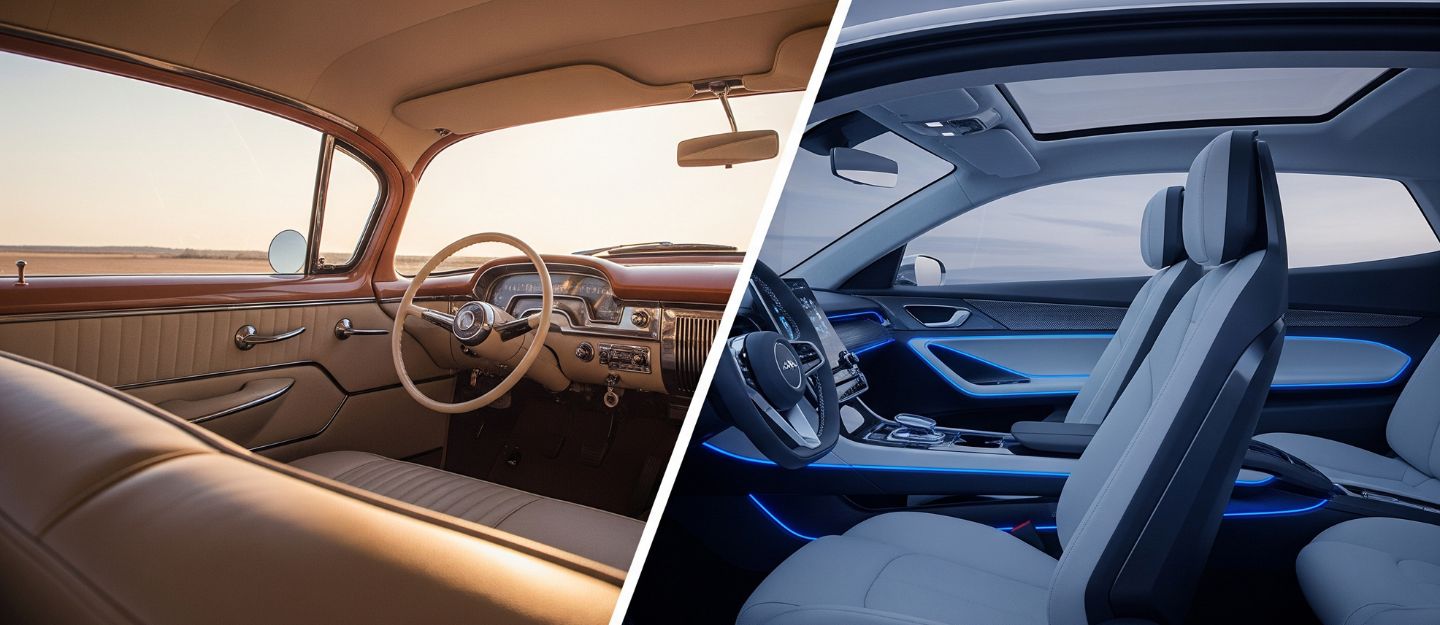
The story of automobiles is one of continuous innovation. While much of the focus often lies on exterior styling and powertrain developments, the car’s interior has experienced a similarly noticeable evolution. The progression of car interiors reflects not only technological advances but also shifting lifestyle requirements and a greater emphasis on comfort and seamless integration of digital technologies. The evolution of car interiors continues to influence the driving experience.
The Dawn of the Automobile: Early 1900s – 1920s
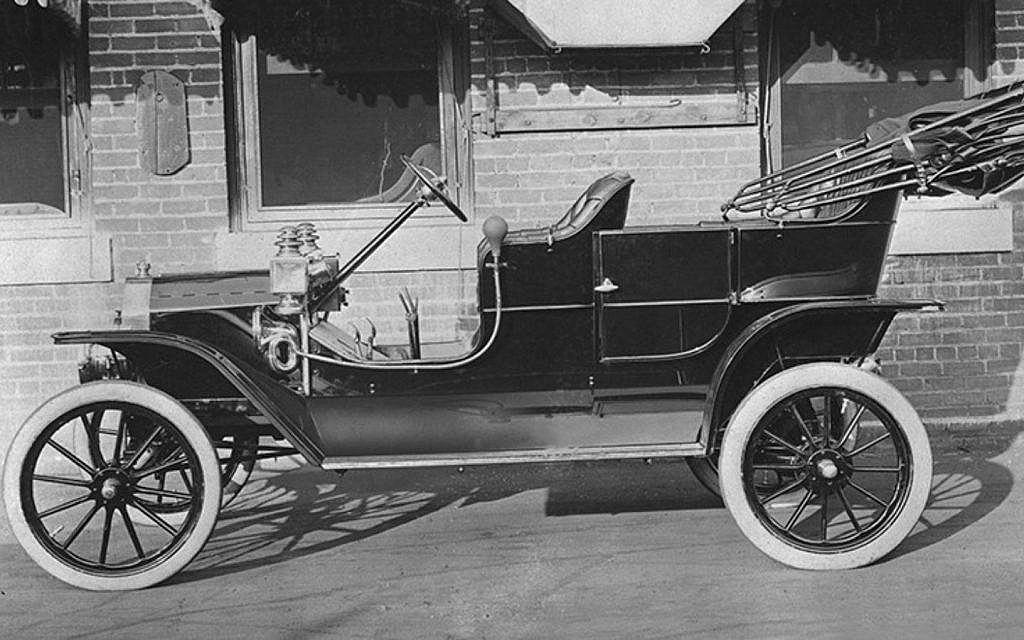
In the early years of the automotive industry, car interiors were designed to focus on practicality and mechanical function. Models like the Ford Model T featured open cabins with wooden benches or leather-covered seats, using readily available and durable materials. Dashboards were simple wooden panels fitted with essential gauges to support driving needs.
These interiors reflected the engineering priorities of the time, with layouts that allowed easy access to controls and a simple build. Folding roofs and side curtains provided basic protection, while elements like wood, leather and brass gave the cabin a classic and functional appearance.
The Age of Emerging Comfort: 1930s – 1940s
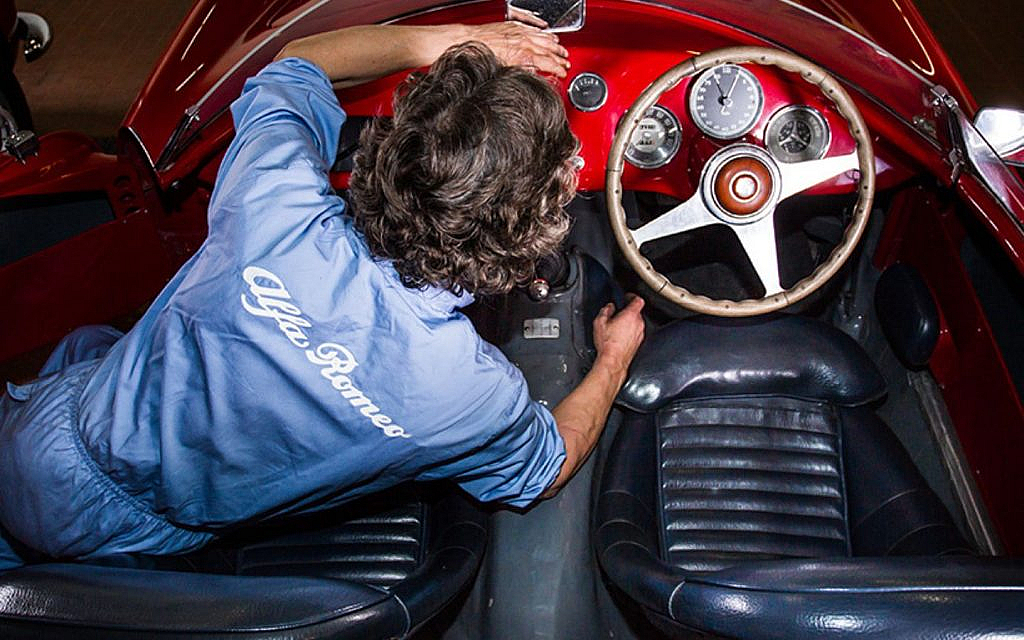
The 1930s marked a significant turning point in car interior design, largely influenced by the elegance of the Art Deco movement. As cars became more than just a means of transportation and became status symbols, their interiors began to reflect a sense of style and luxury.
Enclosed car bodies became common, making the cabin safer and more private. Designers used shiny chrome parts, wood-like panels and detailed gauges to improve the look. One well-known example is the Chrysler Airflow, which featured a smooth, modern shape and a cabin designed with comfort and style. Seats became softer with thicker cushions and better fabric. Controls were placed in a way that made them easier to reach and new features like heaters and radios also started to appear.
The Rise of Chrome and Colour: 1950s
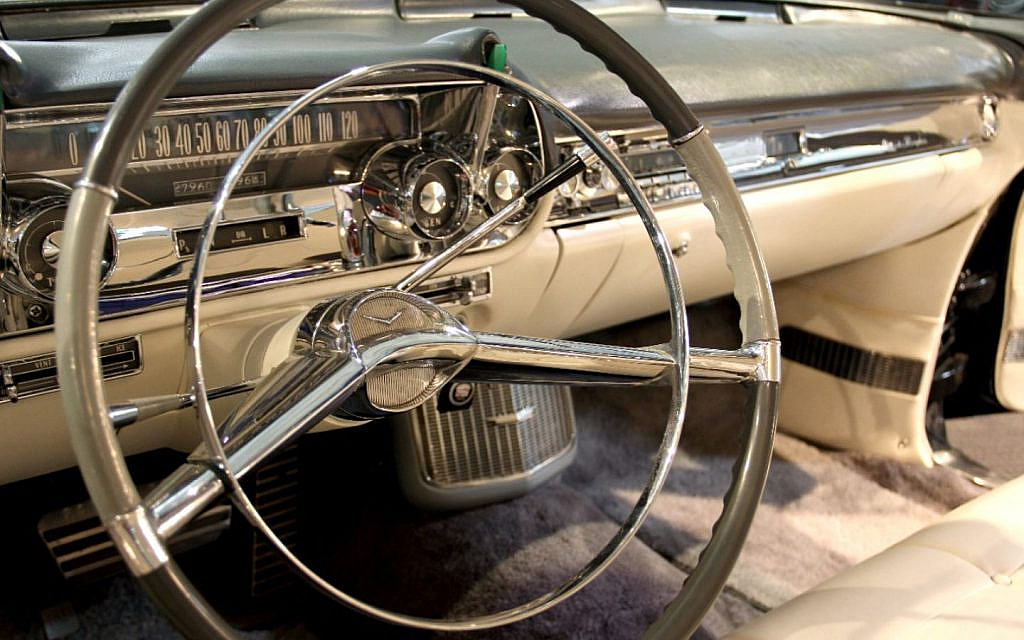
In the 1950s, car interiors became more colourful and exciting, focusing strongly on design and comfort. Bright colours, shiny parts and ideas from planes and rockets shaped how cars looked inside.

Dashboards featured lots of chrome, with bold shapes, jet-style dials and buttons instead of switches. A good example is the 1957 Chevrolet Bel Air, famed for its stylish dashboard and eye-catching interior. Bench seats were still used, now covered in two-tone, durable vinyl that was easy to clean.
The Muscle Car Era: 1960s – 1970s
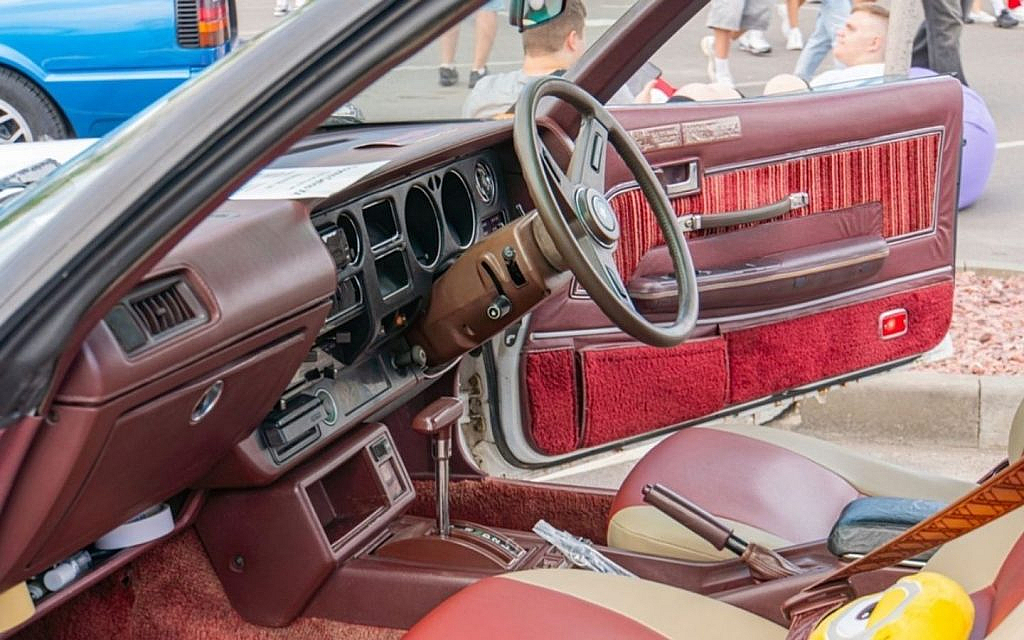
In the 1960s, muscle cars gained popularity and car interiors shifted focus towards the driver. While comfort remained important, the design now supported quicker, sportier driving. Bucket seats replaced bench seats in many models, offering better support during sharp turns and sudden braking. Centre consoles appeared, housing gear shifters and additional gauges, making the driver feel more connected to the vehicle.
Dashboards were designed to face the driver, with clear, easy-to-read dials and accessible controls. An iconic example is the 1969 Dodge Charger, which featured a sporty layout and a strong driver-centric design. In the 1970s, materials such as velour and thick carpeting became widespread, adding a soft feel to the cabin. Safety features like padded dashboards and early airbags also began to be introduced.
The Digital Revolution: 1980s – 1990s
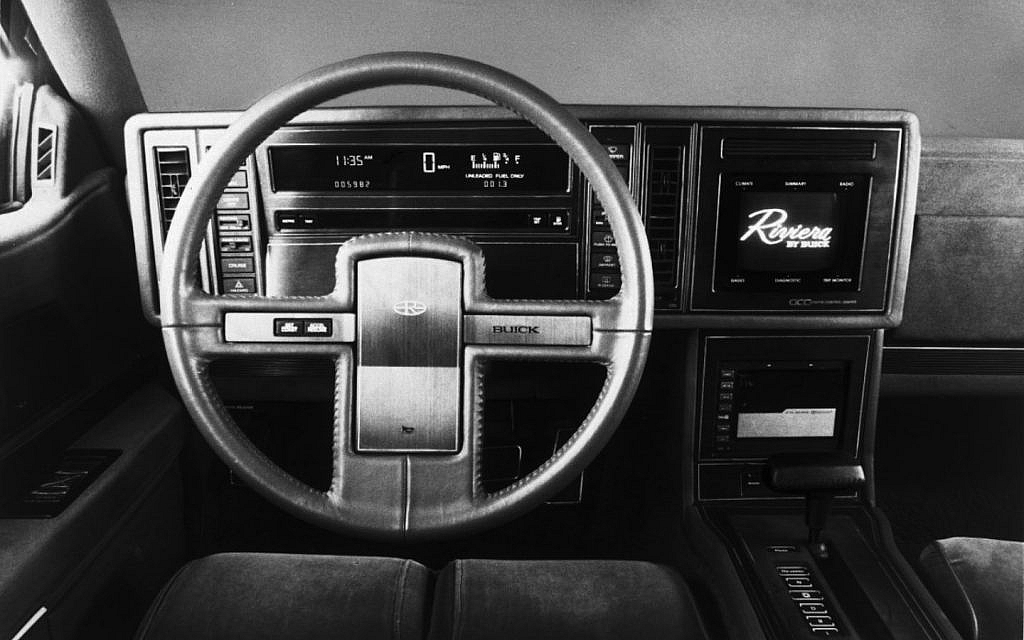
In the 1980s, cars began using digital cockpits instead of needles and dials. Features like trip computers, digital clocks and stereo equalisers became common. Plastics were widely used in dashboards and panels, allowing new interior shapes and designs.
Car makers focused on ergonomics, placing buttons and controls where drivers could easily reach them. The 1986 Buick Riviera was one of the first cars with a touchscreen system. In the 1990s, airbags became standard, changing the design of steering wheels and dashboards. CD players replaced cassette decks and early GPS systems appeared in some luxury cars.
The Dawn of the Infotainment Age: 2000s – 2010s
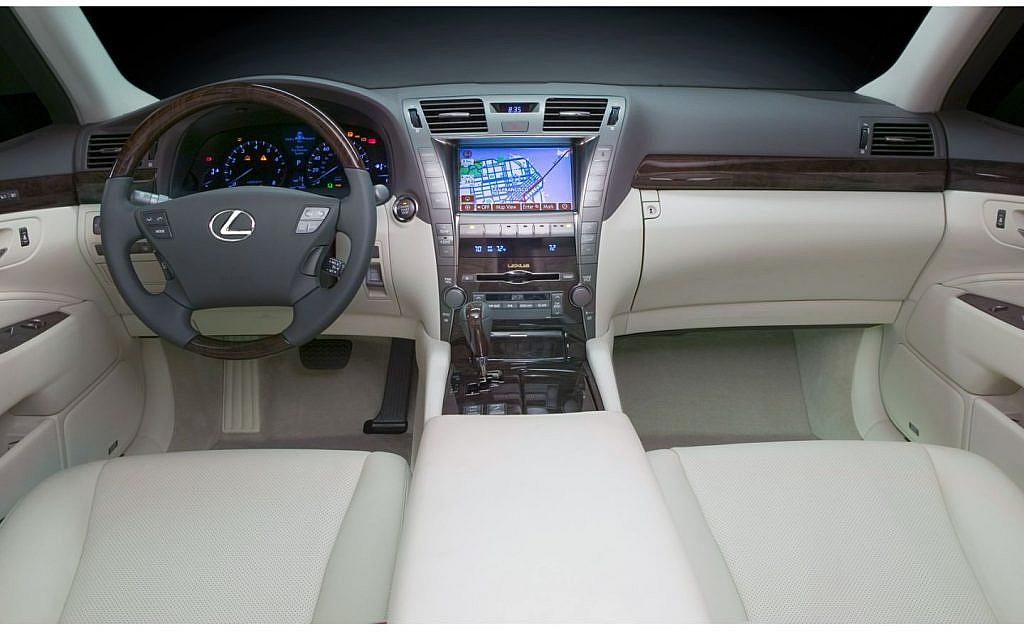
In the 2000s, car interiors changed with the rise of infotainment systems. Large colour screens were added to the centre console to control audio, climate and navigation from one place. Bluetooth made hands-free calling easy and USB ports and aux inputs allowed passengers to connect their devices.
Materials also improved, with soft-touch plastics, brushed aluminium and leather used even in mid-range cars. A good example is the 2007 Lexus LS, which featured a high-end infotainment system with touchscreen controls.
In the 2010s, touchscreens replaced many buttons, giving a simpler and cleaner look. Screens became larger, like tablets and supported Apple CarPlay and Android Auto for easy phone use. Driver-assistance features became common, with alerts on the screen and the digital cluster.
The Present and the Future
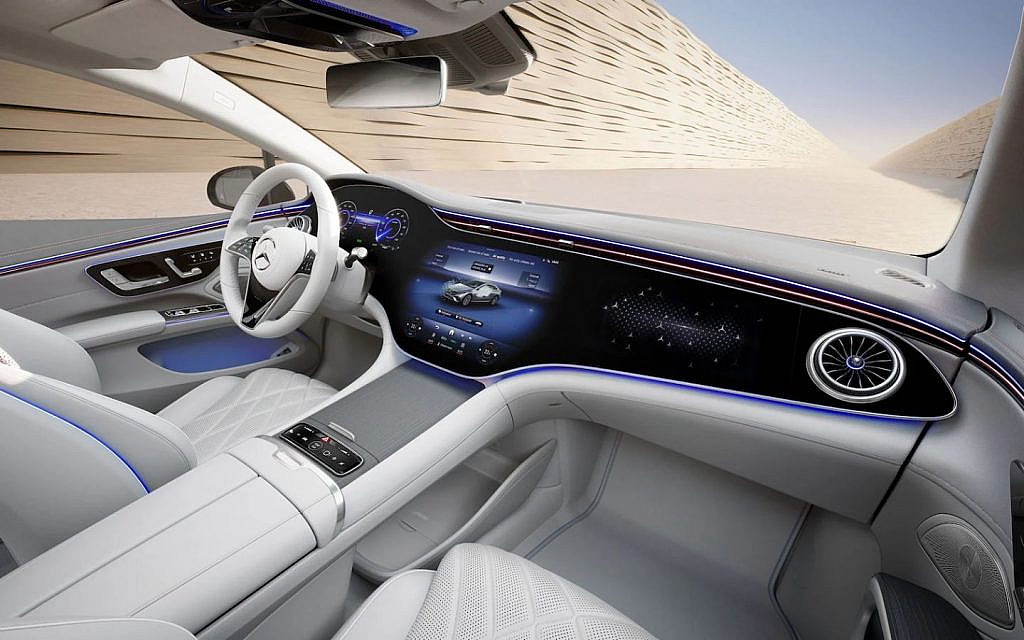
Modern car interiors are built around technology, comfort and connectivity. High-resolution screens often cover the dashboard, replacing traditional dials and controls. Most functions in the extravagant car interiors are now managed through touch, voice commands or haptic feedback, reducing the need for physical buttons.
Autonomous driving and sustainability are set to change interiors further. As cars begin to drive themselves, the focus will shift from the driver to all passengers, leading to new layouts with flexible seating, larger screens and improved connectivity. The Mercedes-Benz EQS already shows this shift with its wide display and lounge-style design.
FAQs
What was the most significant technological innovation that changed car interiors?
The rise of integrated infotainment systems in the 2000s, evolving into large touchscreens by the 2010s, transformed vehicle interaction by combining multiple controls into one connected interface.
How have safety regulations influenced car interior design?
Safety regulations have shaped interior design by requiring seatbelts, airbags and padded dashboards, pushing designers to blend safety with comfort and style.
What are the key trends we can expect to see in car interiors in the next decade?
Future car interiors will likely offer flexible layouts, sustainable materials, larger displays, smarter voice controls and a stronger focus on comfort and wellness.
Car interiors have changed from simple wooden cabins to smart, connected spaces filled with technology and comfort. Each decade brought new ideas, shaped by design trends, safety needs and lifestyle changes. Interiors have continued to adapt from the Ford Model T to the Mercedes-Benz EQS. Modern materials, digital features and thoughtful cabin upgrades have also made it easier to make used car more comfortable without major modifications.
Whether you prefer classic charm or modern innovation, the evolution of car interiors is visible in many used cars for sale in the UAE today.
For more information on automotive interior evolution, keep visiting the UAE’s most popular autos blog.
Related Posts