- Difference Between Electric vs Petrol Cars
- Advantages of EVs
- Things to Consider for EVs
- EV vs Petrol Cars
- FAQs
Given the frequently changing weather patterns, flooding has become a significant concern in many parts of the world, including the UAE. Record-breaking torrential rains affected the region with severe waterlogging in recent events. As the nation continues to invest in electric vehicles (EVs) as part of its commitment to sustainability, one question arises: are EVs safer than petrol cars during floods? Let’s explore different aspects of this question, providing insights into the safety and performance of both electric vs petrol cars in floods.
Difference Between Electric vs Petrol Cars in Floods
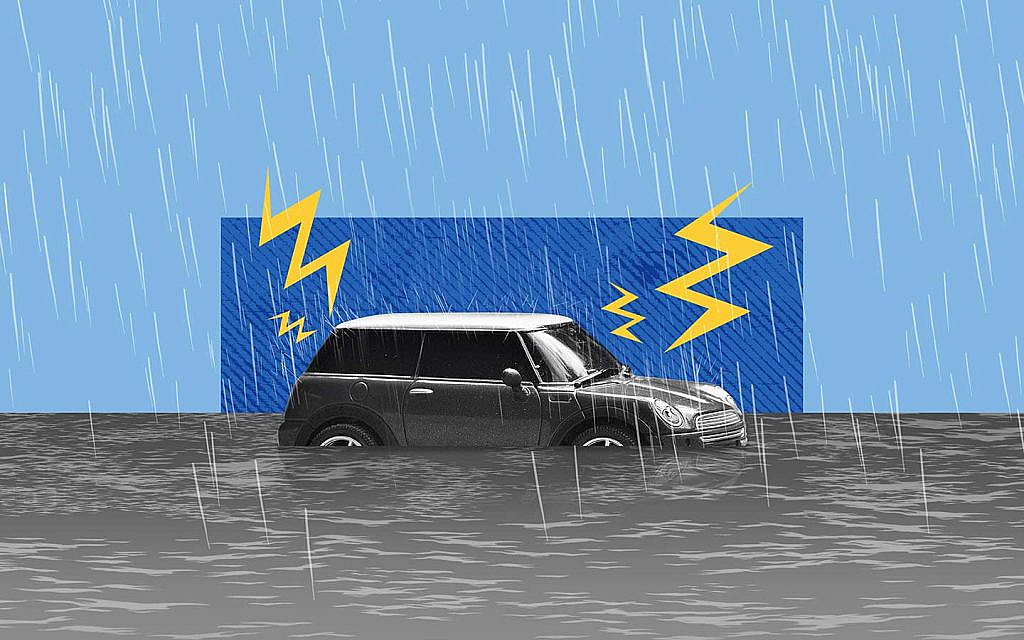
Electric cars are revolutionising the automotive landscape, offering numerous benefits such as reduced emissions and lower running costs. However, many people wonder how these advanced vehicles handle unexpected situations like floods. Understanding the resilience of EVs compared to petrol vehicles during such events can lead to informed ownership. Let’s explore more about EVs versus petrol cars, their advantages and considerations when faced with flood conditions.
Electrical Systems and Water Resistance
Electric Vehicles: EVs are designed to be waterproofed to keep the electrical systems secure. Key components such as the battery pack, electric motors and high-voltage circuitry are typically sealed to prevent water ingress. This design ensures EVs can operate safely in wet conditions up to a certain depth. Moreover, electric car battery maintenance also makes your vehicle reliable and efficient, ensuring optimal performance and longevity.
Petrol Cars: Vehicles with petrol engines also incorporate measures to protect critical components from water damage. However, they rely on air intake systems and exhausts that are more vulnerable to water ingress. If water enters the engine through the air intake or exhaust, it can cause a hydrostatic lock (hydrolock) and cause engine damage.
EVs generally have better inherent water resistance due to their sealed electrical systems. However, this advantage is contingent on the water depth and the vehicle’s design.
Safety During Floods
Electric Vehicles: EVs have a high-voltage battery system, which might raise concerns about electrocution risks. However, modern EVs come with multiple safety features to mitigate these risks. These include automatic disconnection systems that isolate the battery in the event of an accident or exposure to water. Furthermore, EVs have rigorous insulation and grounding to ensure safety. However, you can boost EV performance by following these tips.
Petrol Cars: Petrol cars are not free from risks during floods. Water entering the engine can lead to short circuits or fires. Additionally, fuel leaks pose a significant hazard, potentially leading to fires or explosions if the fuel comes into contact with an ignition source.
Both vehicle types have safety risks associated with flooding. However, EVs are designed with advanced safety features to manage electrical hazards, while petrol cars face mechanical and fire-related risks. You can also explore some tips to prevent EVs from catching fire.

Performance in Flood Conditions
Electric Vehicles: EVs offer high torque from a standstill, which can be beneficial in flood conditions, allowing for better traction and control. However, the weight of the battery pack can be a disadvantage if the vehicle becomes submerged. This also makes it more challenging to escape from deep water.
Petrol Cars: Petrol cars, with their lighter engines compared to heavy battery packs, might have a slight advantage in toughness. The key disadvantage remains the risk of engine failure if water enters the intake or exhaust systems.
EVs may offer better control in shallow water due to their torque characteristics, but their heavy batteries can be a drawback in deep floods. Petrol cars are more vulnerable to engine failure from water ingress.
Maintenance and Repair Post-Flood
Electric Vehicles: Post-flood maintenance of EVs can be costly, primarily due to the potential need to replace expensive components like the EV battery pack. However, the likelihood of such damage is mitigated by the water-resistant design of these components.
Petrol Cars: Repairing a flood-damaged petrol car can also be expensive, especially if the engine has suffered hydrolock. Additionally, water can cause long-term damage to mechanical parts and electrical systems, leading to ongoing maintenance issues.
Both EVs and petrol cars can incur significant repair costs post-flood, but the advanced waterproofing in EVs might reduce the frequency and severity of damage.
Environmental Considerations
Electric Vehicles: EVs are generally considered more environmentally friendly due to zero tailpipe emissions. However, the environmental impact of a flood-damaged battery can be significant if not properly handled, highlighting the need for effective recycling programs.
Petrol Cars: Flood-damaged petrol cars pose an environmental hazard due to potential fuel and oil leaks, which can contaminate water sources. The emissions from these vehicles also contribute to pollution.
EVs hold an environmental edge, but proper disposal and recycling of flood-damaged components are crucial to minimise impact.
Advantages of EVs During Floods
While both EVs and petrol cars face challenges in floods, EVs have certain advantages:
- Simpler Design and Easier Repairs: Fewer moving parts can make repairs simpler and reduce the likelihood of mechanical failure.
- Water-Resistant Sealed Drivetrain: The sealed electric motors and battery packs offer some protection against water intrusion, minimising immediate flood damage.
- Automatic Safety Shutdowns: Advanced electrical systems can automatically shut down during a short circuit, preventing further damage and reducing electrical hazards.
- Enhanced Corrosion Resistance: Corrosion-resistant materials like aluminium helps mitigate long-term water damage.
Important Considerations for EVs in Floods

EVs bring innovative features and technological advancements but also have specific considerations during floods. While EVs offer certain advantages over traditional internal combustion engine vehicles, it’s crucial to understand the risks and necessary precautions. Here’s a closer look at the key considerations for EVs when facing flood conditions.
Potential for Flood Water Infiltration
Despite the advanced design of electric vehicles, floodwaters can still penetrate the vehicle. This is a critical concern because water infiltration can lead to severe damage to the vehicle’s electrical components and battery system. The sealed design of EVs provides some level of protection, but it is not foolproof. Driving through floodwaters remains a high-risk activity for any vehicle, including EVs.
Risk of Electrical Hazards
Water and electricity are a dangerous combination and a flooded EV poses a significant risk of electrical hazards. The high voltage systems in EVs can be particularly dangerous if compromised by water. It’s imperative to never attempt to operate, touch, or move a submerged or flood-damaged EV. Safety should always be the top priority and professional help should be sought immediately to handle the situation safely.
Expensive Repair Costs
Repairing an EV after flood damage can be costly. While the number of moving parts in an EV is generally lower than in an ICE vehicle, the components that do exist are highly specialised and expensive. The battery pack, electric motor and associated electronics require expert handling for flooded car repair. The costs can escalate quickly, making flood damage repairs for EVs a significant financial burden. Also, you must know the hidden costs of buying an electric car in the UAE along with expensive repairs.
Impact on Vehicle Body and Components
Floodwaters can cause corrosion in EVs and ICE vehicles, affecting various parts of the vehicle. Corrosion can damage electrical wiring, the vehicle’s frame, brake systems and other critical components. This kind of damage can have long-term impacts on the vehicle’s performance and safety if not addressed promptly and effectively.
Moreover, both petrol and EVs have different safety considerations. For instance, in a car crash, electric cars fire risks and high voltage, while conventional cars face dangers from fuel leakage and combustion. Here you can explore more about the difference between EV vs conventional car crashes.
EV vs Petrol Cars: Which Is Safer in Flood
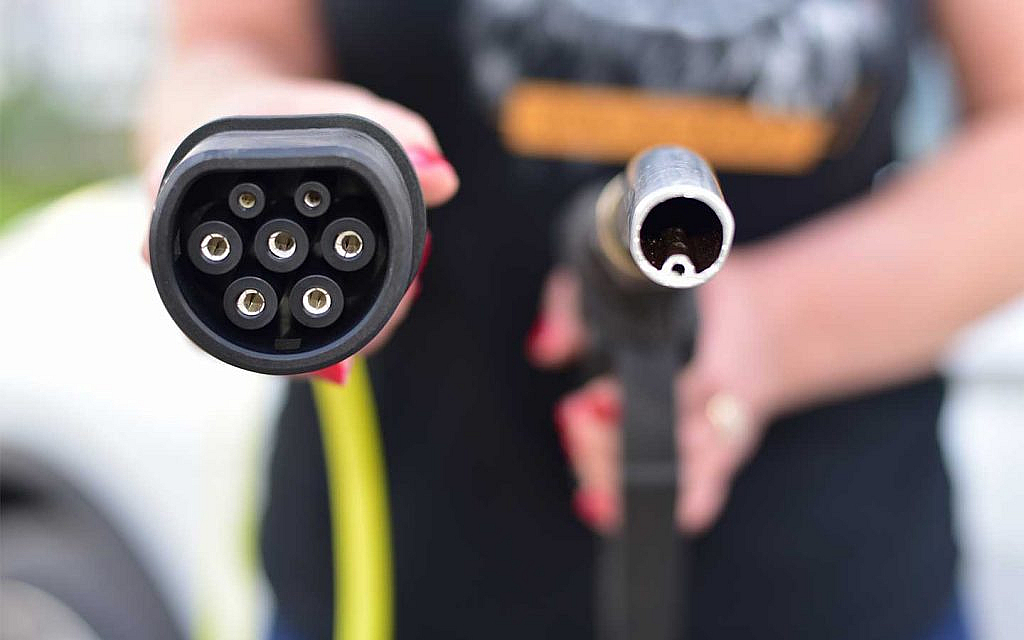
The safety of electric vs petrol cars in floods depends on various factors such as vehicle design, water depth and the specific circumstances of the flood. Generally, EVs have an edge in electrical safety and water resistance, thanks to their sealed components and advanced safety features. However, the heavy battery packs can pose a challenge in deep waters.
Petrol cars are more prone to engine damage from water ingress but may be slightly lighter in deep water due to weight. Both vehicle types have significant repair costs post-flood and present environmental risks. If you are interested in owning a petrol car, explore how the popularity of EVs can impact the future of petrol cars. Moreover, you can also explore significant differences between hybrid vs electric vs petrol such as their environmental impact, fuel efficiency, maintenance requirements and overall driving experience.
FAQs
Are EVs Better for Floods Than Petrol Cars?
EVs offer some advantages in flood situations, such as sealed drivetrains and automatic safety shutdowns, which can provide some protection against water damage. However, they also present significant risks, including potential electrical hazards and costly repairs. EVs and petrol cars have vulnerabilities in floods and neither is inherently better than the other in these conditions.
Can I drive an EV through floods?
No, driving any vehicle, including an EV, through floods is highly risky. Floodwaters can damage electrical components and pose severe safety hazards. It’s best to avoid driving through floodwaters and seek an alternate route.
Why are electric cars better than petrol in floods?
Electric cars are preferred over petrol cars in floods due to their simpler design with fewer moving parts. Sealed drivetrains provide some water resistance, minimising immediate flood damage. Additionally, automatic safety shutdowns reduce the risk of electrical hazards during flooding, making electric cars safer than fuel cars in such conditions.
For residents in the UAE, when deciding between electric vs petrol cars in floods, it’s important to consider not only flood safety but also the overall environmental impact, maintenance costs and personal preferences. Whether you choose an EV or a petrol car, understanding the limitations and strengths of each vehicle type can help you make an informed decision and be prepared for flood conditions. Besides, high temperature also affects EV performance, here are some essential tips to take care of your electric cars during hot weather.
The constant evaluation of electric cars is one of the major reasons for their popularity. As customer needs change, the automotive industry is coming up with more sustainable options and shaping the future of mobility. Whether you are interested in purchasing an electric vehicle or a petrol car, browse through the listings of these used cars in the UAE. Moreover, here are a few things to consider when buying a flood-damaged car.
Besides, if you are looking for a used electric car in the UAE make sure you know the difference between buying vs leasing electric cars for a hassle-free experience.
Stay tuned to the dubizzle car blog for more driving tips during bad weather.
Related Posts