
Electric mobility has transformed the automotive landscape and batteries are at the centre of vehicle design and performance. Among the many technical considerations, electric vehicle battery weight is a critical factor influencing efficiency, range and overall engineering. Unlike conventional fuel systems, EV batteries contribute a significant portion of total vehicle mass.
What Is Electric Vehicle Battery Weight?

Electric vehicle battery weight refers to the total mass of the battery pack used to store and deliver energy in an electric vehicle. This includes not only the individual battery cells but also structural components, cooling systems and protective casings.
In most modern EVs, the battery is the single heaviest component, often integrated into the vehicle floor to improve balance and stability. This design choice enhances safety and handling despite the added weight.
Average Electric Vehicle Battery Weight
The weight of EV batteries varies significantly depending on size, capacity and intended use. Average EV battery weight typically falls the following range:
- Smaller EV battery systems may weigh a few hundred kilograms
- Standard passenger EV batteries commonly range between 300 kg and 600 kg
- Larger, high-capacity batteries can exceed 800 kg in performance-focused vehicles
Battery packs can account for approximately 20% to 30% of the total vehicle weight, highlighting their structural and functional importance. Moreover, different types of EV batteries have varied weights depending on their physical structure, which affects energy density.

Key Factors Influencing Electric Vehicle Battery Weight
Several factors influence electric vehicle battery mass and weight:
Battery Capacity (kWh)
Battery capacity, measured in kilowatt-hours, is one of the most significant determinants of weight. Higher capacity allows for an extended driving range but increases overall mass. For instance, smaller capacity batteries tend to be lighter, while high-capacity systems designed for long-range EVs can weigh considerably more. The relationship is direct but not perfectly linear due to design efficiencies.
Energy Density
It refers to how much energy a battery can store per unit of weight. Higher energy density results in lighter batteries for the same capacity. Typical EV batteries achieve around 6 to 8 kg per kWh for certain lithium-ion chemistries, although this varies with materials and design.
Vehicle Type and Design
The size and purpose of the vehicle also play a major role. Larger car body types, such as SUVs and trucks, require bigger batteries to maintain range, leading to increased weight. Additionally, battery placement, usually under the floor, contributes to overall structural integration and weight distribution rather than reducing mass.
Battery Chemistry
Battery chemistry plays a crucial role in determining electric vehicle battery weight. Nickel-based chemistries typically deliver higher energy density, allowing more power to be stored in a lighter form, which can help reduce overall battery mass. In contrast, lithium iron phosphate systems are known for their durability and enhanced safety characteristics, though they may result in a heavier battery for the same energy capacity.
Impact Of Electric Car Battery Size And Weight
Electric vehicle battery mass has a direct impact on the vehicle’s performance, range and efficiency.
Performance and Efficiency
Heavier batteries can affect acceleration, braking and overall energy consumption. While a larger battery enables a longer EV range, it also consumes more energy to move the vehicle.
Driving Range
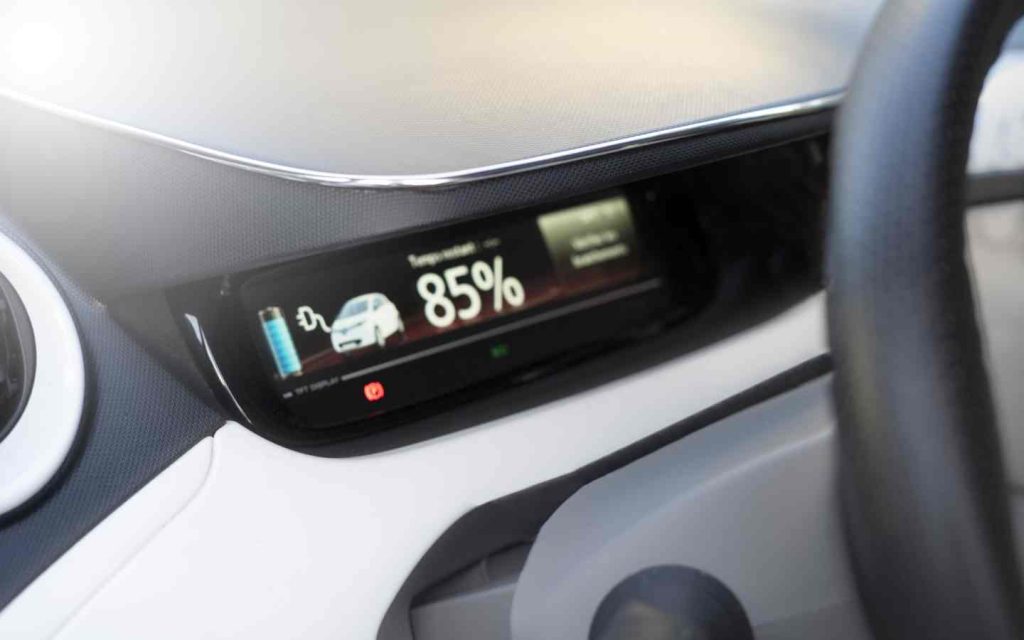
There is a balance between weight and range. Increased battery capacity improves range but adds mass, which can impact some efficiency gains.
Wear and Infrastructure Impact
Higher vehicle weight can lead to increased wear on tyres, suspension systems and even road surfaces over time.
Handling and Stability
Added weight can improve stability. Low placement of heavy battery packs lowers the centre of gravity, enhancing cornering and road grip.
FAQs
Why Are EV Batteries So Heavy?
EV batteries are heavy because they need to store a large amount of energy to power the vehicle. Moreover, battery components like lithium and nickel contribute significantly to their mass.
Does Battery Weight Affect Electric Car Performance?
Yes, battery weight affects electric car performance by influencing acceleration, handling, energy consumption and overall efficiency.
Does Electric Vehicle Battery Mass Affect The Centre Of Gravity?
Yes, the mass of the electric vehicle battery lowers the centre of gravity, improving stability and handling.
There you have it, EV battery weight explained. Battery weight remains a defining factor in the design and functionality of modern electric vehicles. It influences everything from range and efficiency to handling and durability. Moreover, EV battery placement has an impact on the performance.
While the battery systems are relatively heavy, the EV evolution continues to witness advancements in materials and engineering, all improving the balance between weight and performance.
EVs have also become an integral part of the UAE’s automotive market. There are numerous new EVs for sale in the UAE, packed with a range of modern specs and features.
Stay tuned to dubizzle’s auto blog to learn about major car components.
Related Posts