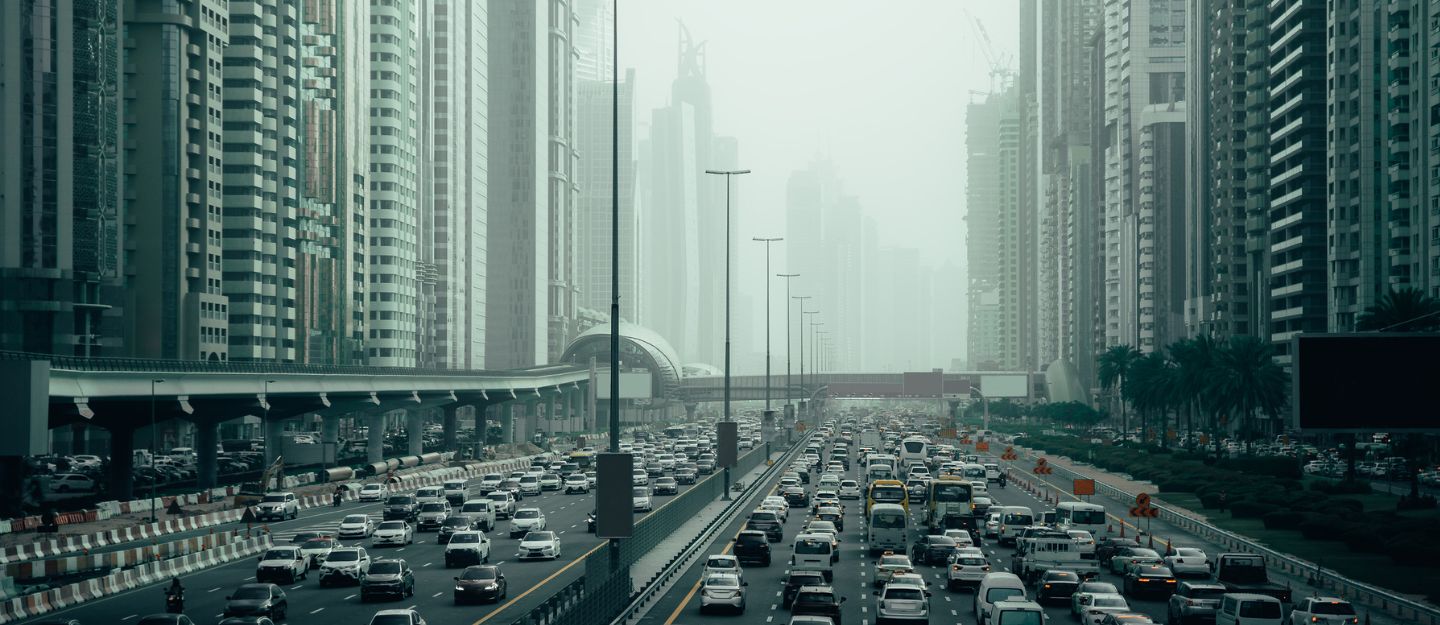
Dubai’s rapid urban growth is supported by a rising population and expanding economic activity. As the city welcomes more residents, businesses and visitors, the demand for daily mobility continues to increase. This has led to a steady rise in the number of vehicles on the road and greater pressure on transport networks.
To maintain smooth traffic flow, the Roads and Transport Authority (RTA) has introduced long-term measures aimed at reducing congestion and improving connectivity. Understanding the key reasons behind the traffic increase and the steps being taken highlights Dubai’s commitment to enhancing mobility for the future.
Key Reasons Behind Dubai’s Traffic Surge
The following are the main reasons for the increase in traffic across Dubai. These ongoing challenges emphasise why the RTA traffic reduction plan is crucial to handle the growing demand and enhance road flow.
Rapid Vehicle Ownership Growth
Dubai has one of the highest car ownership rates in the world. The growth is driven by high-income levels, a strong preference for private cars and a lifestyle focused on comfort and luxury.
Dubai’s increasing vehicle ownership indicates strong economic growth and a growing demand for mobility, necessitating ongoing road upgrades and traffic planning.
High Daytime Vehicle Volume
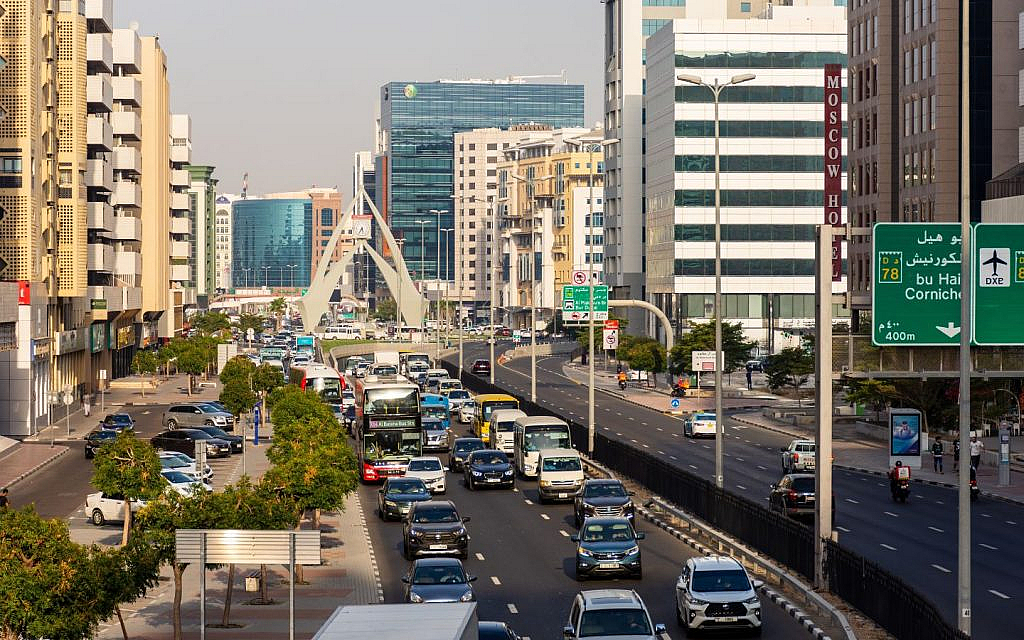
Dubai’s roads face heavy daytime traffic, with RTA data showing around 3.5 million vehicles daily in 2024. This marks a 10% rise in registered vehicles over the past two years. The increase is much higher than the global average of 2 to 4%. Heavy daytime traffic adds to congestion, especially during peak hours.
Population Growth
Dubai’s population is growing quickly, with an annual increase of over 6%. By mid-2025, the number of residents reached around 3.95 million, up from 3.84 million at the start of the year.

That’s an increase of about 110,000 people in just six months. This growth stems from Dubai’s status as a global business hub, attractive lifestyle and investor-friendly policies. The city’s population is expected to keep growing. As shared by RTA Director-General Mattar Al Tayer, Dubai’s daytime population is expected to reach 8 million by 2040.
Diverse Driving Behaviours
Dubai’s roads reflect its diverse population of over 200 nationalities. This mix leads to different driving styles and habits. Drivers plan trips differently, respond to traffic rules in varied ways and may not be familiar with local peak-hour patterns. Ongoing awareness campaigns and traffic education help bring consistency to road behaviour, ensuring safer and smoother journeys for all.
Key Components of RTA’s 30% Congestion Reduction Plan
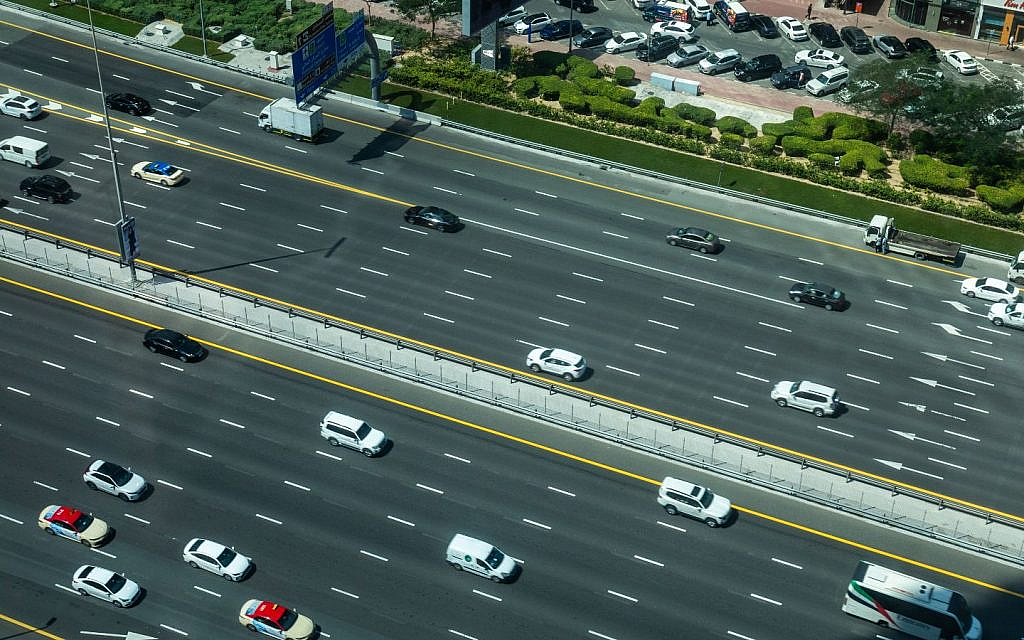
The following factors highlight why traffic has been rising steadily across Dubai in recent years.
Dynamic Toll and Parking Tariffs
RTA has introduced parking charges and dynamic tolls in Dubai. This means the fees change based on traffic levels and the time of day.
Tolls may be higher during peak hours and lower when roads are less busy. The same applies to parking charges in crowded areas. This encourages drivers to travel during off-peak times or use public transport in the UAE.
The goal is to reduce vehicle congestion during peak hours, shorten travel times and improve the efficiency of Dubai’s road network. RTA continues to monitor this system and adjust it as needed. It works alongside other measures to improve mobility and support long-term congestion control.
Flexible and Remote Work Initiatives
Dubai’s RTA and government are promoting flexible working hours and remote work as part of the Traffic Flow Plan. These steps help reduce traffic during peak times by spreading out daily commutes. Encouraging remote work a few days each month also supports smoother traffic flow on major roads.
Heavy Vehicle Movement Restrictions
As part of its traffic management plan, Dubai’s RTA has expanded restrictions on truck movement across key roads. Since January 2025, trucks have been banned from Emirates Road between Al Awir Street and Sharjah during evening peak hours, from 5:30 PM to 8:00 PM.
This builds on earlier limits already in place on Sheikh Mohammed bin Zayed Road during morning and evening rush hours. The aim is to reduce congestion and improve road safety by limiting truck activity during the busiest travel times.
School Zone Improvements
Dubai enhanced the traffic infrastructure around over 37 schools to improve mobility during pick-up and drop-off hours. The work included widening surrounding roads, upgrading entry and exit points and adding new traffic management solutions to ease movement around schools.
These improvements helped improve school-hour traffic and supported safer, smoother commutes. Building on this, the RTA plans over 75 traffic upgrades across Dubai in 2025, including further enhancements in school areas and key intersections to support better flow across the city.
Commercialisation of Transport Services
Dubai’s RTA has created dedicated companies to manage transport services effectively. This model helps each service focus on its operations, respond faster to public needs and support traffic reduction goals.
Some of the key companies include:
- Salik: Dubai’s electronic toll system. It uses RFID tags to deduct fees automatically and reduce congestion by spreading traffic across routes.
- Dubai Taxi: Manages taxi operations across the emirate. The company works on improving service quality, vehicle tracking and customer satisfaction.
- Parkin: Operates paid parking systems. It manages smart parking zones to cut down time spent looking for parking and reduce road pressure.
- Mada Media: Handles public messaging for RTA. It supports awareness campaigns related to safety, mobility and road updates. Each company plays a role in easing traffic and improving transport services citywide.
FAQs
What infrastructure projects are included in the RTA plan?
Dubai RTA road upgrades include 22 major projects such as developing Latifa bint Hamdan Street, Umm Suqeim Street, Al Qudra Street, Al Fay Street and the Trade Centre Roundabout with bridges and tunnels.
When will the Dubai Metro Blue Line open?
The Dubai Metro Blue Line is scheduled to open on September 9, 2029, marking the 20th anniversary of Dubai Metro’s first lines.
What is the role of public transport expansion in reducing congestion?
Expanding public transport helps reduce the use of private cars and eases road congestion. Better metro links, bus lanes and joined-up services make daily travel fast and convenient.
Here we end our look into what’s driving the Dubai traffic surge and how the city is managing it. Rapid urban growth, high car ownership and changing travel habits are adding pressure to the roads. While the challenges are clear, the RTA is taking active steps to ease congestion through smarter planning, road upgrades and long-term mobility strategies. Initiatives such as the RTA AI Strategy 2030 further support these goals by integrating advanced technologies to improve city-wide traffic management.
With more cars on the road, longer commutes and higher fuel use are becoming part of daily life. That’s why many are now considering vehicles that are more fuel-efficient and better suited for city driving. For a smarter switch, browse used cars for sale in Dubai and pick a vehicle that fits your needs and budget.
Stay tuned to dubizzle auto blog for more information on traffic updates in Dubai.
Related Posts