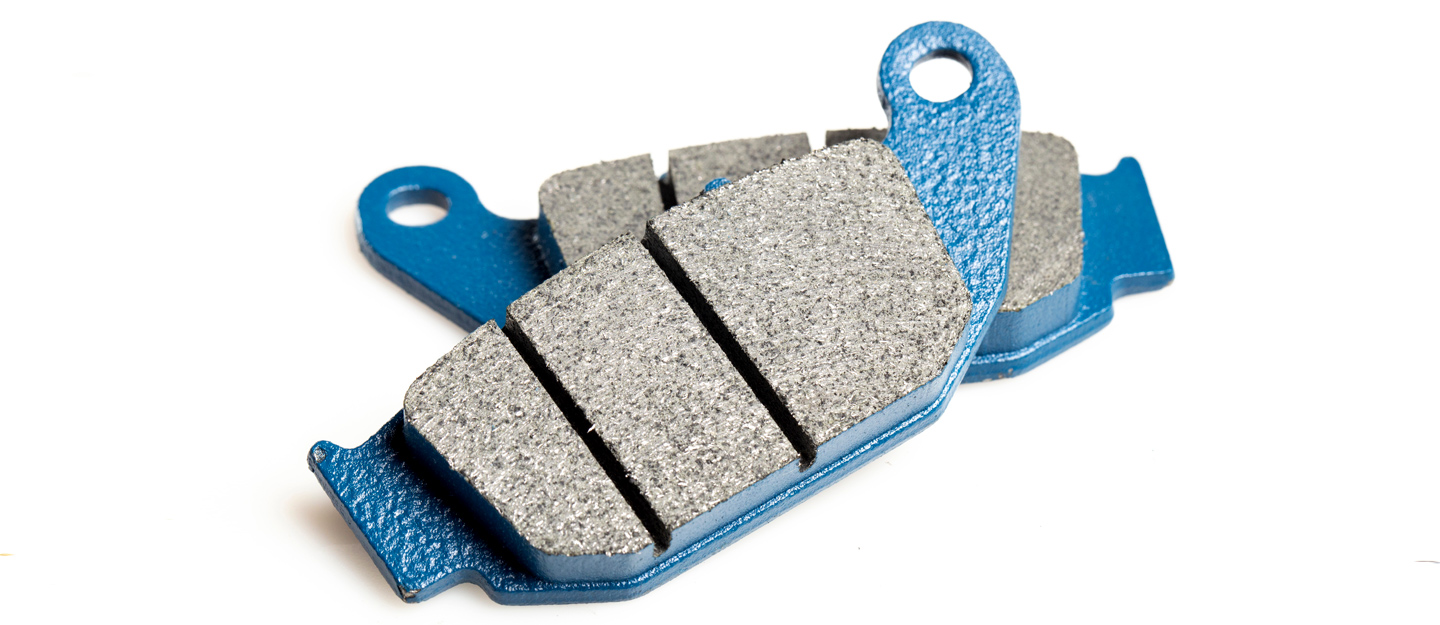
Worn and damaged motorcycle brake pads can reduce the brake performance, eventually causing safety risks. Changing motorcycle brake pads is a simple DIY task that doesn’t need any professional expertise. It saves money and ensures bike safety.
We’ll discuss a step-by-step process on how to replace brake pads of motorcycles with basic tools and some time required. Let’s go through the process to conduct an effective DIY to change motorcycle brake pads.
Start replacing those worn-out brake pads with clear instructions, and soon the brakes will work like new ones.
Tools Required For Motorcycle Brake Pad Replacement

Changing motorcycle brake pads requires a few basic motorcycle tools. Here’s a list:
- Socket wrench set
- Hex or Allen wrenches
- Screwdriver (flathead or Phillips, depending on the bike)
- Pliers
- Brake cleaner
- C-clamp or brake calliper tool
- New brake pads
- Rags or paper towels
Step By Step Process To Change Motorcycle Brake Pads

For experienced and new riders, following these change motorcycle brake pads DIY tips is easy. Here’s how to change brake pads of a motorcycle step by step:
- Prepare the Area
Park the motorcycle on a flat surface. Moreover, use a bike stand for stability. Next up, gather all necessary tools and new brake pads.

- Remove the Caliper
Locate the brake caliper attached to the brake disc. Use a socket or hex wrench to remove the bolts holding the caliper in place. Carefully slide the calliper off the brake disc.
- Remove Old Brake Pads
Note the position of the old brake pads. Use a screwdriver or pliers to remove the retaining clips or pins. Slide the old brake pads out of the caliper.
- Clean the Caliper
Spray brake cleaner on the caliper to remove dust and debris. Wipe it clean with a rag or paper towel.
- Install New Brake Pads
Place the new brake pads into the caliper in the same position as the old ones. Tighten them with the retaining clips or pins.
- Retract the Pistons
Use a C-clamp or brake calliper tool to push the caliper pistons back into the caliper. This creates space for the new, thicker brake pads. Ensure the pistons are fully retracted.
- Reinstall the Caliper
Slide the calliper with the new brake pads back onto the brake disc. Align it properly and secure it with the bolts removed earlier. Tighten the bolts firmly, but do not overtighten.
- Test the Brakes
Pump the brake lever several times to ensure the pads are seated correctly. Check for proper brake operation before riding
Important Tips To Change Motorcycle Brake Pads

Here are the important tips that will help you change motorcycle brake pads without any inconvenience:
Safety First, Safety Must
Always make sure you change the motorcycle brake pads in a well-lit area with enough space. Use gloves and eye protection to ensure you aren’t injured using any tools. Changing the brake pads of motorcycles timely also helps you follow motorcycle safety rules of Dubai.
Check For Rotors
Before installing new brake pads, inspect the brake rotors for wear, scoring, or grooves. If you notice any issues with the rotor, try replacing the rotor too before the brake pads.
Use The Right Tools
Always use the right and compatible tools to change the brake pads. Improper tool usage can damage the motorcycle parts and cost you money to replace or repair.
Brake Fluid Check
After completing the motorcycle brake pad replacement, check the brake fluid levels in the reservoir. There is a chance of fluid leaks while changing the pads. It’s important to check the fluid levels to maintain the best braking performance. Follow motobike maintenance tips to keep your bike in good shape for years to come.
FAQs
Do I need special tools to change motorcycle brake pads?
Yes, tools like socket wrenches, hex wrenches and a C-clamp or brake caliper tool are essential.
How often should motorcycle brake pads be replaced?
Generally, it is every 15,000 to 20,000 kilometres. However, it varies based on riding style and brake pad material.
What are signs that motorcycle brake pads need replacing?
Squealing or grinding noises, longer stopping distances and a pulsating brake lever indicate worn brake pads.
Changing motorcycle brake pads is an easy DIY task that ensures your safety and your motorcycle’s longevity. By following our step by step guidance, even beginner riders can change their motorcycle brake pads with convenience and maintain optimal brake performance. Regularly replacing worn pads prevents further damage to the braking system.
Start replacing those worn-out brake pads with the clear instructions mentioned above and soon the brakes will work like new. That said, if you’re in the market for a new ride, consider exploring these used bikes for sale in the UAE.
To read more such information about motorcycle brake pads, keep visiting dubizzle car blogs.
Related Posts