
Choosing the right oil for the motorbike is essential for keeping it running smoothly and efficiently. The correct oil helps reduce wear, manage heat and maintain performance, while the wrong choice can lead to decreased engine life or mechanical issues. With a range of oil types, viscosities and certifications available, understanding a bike’s needs and riding conditions is key to making an informed decision.
Understanding Engine Oil and Its Importance
Engine oil lubricates moving parts, reduces friction, dissipates heat and prevents corrosion. Using the incorrect oil can lead to excessive wear, overheating and even engine failure. Regular oil changes, every 3,000 to 5,000 km for conventional oils, or up to 8,000 km for fully synthetic, help remove contaminants and maintain peak efficiency for different motorcycle engines. In the UAE, where summer temperatures can soar above 45°C, it is critical to choose the right oil for the motorbike that can handle extreme heat.
Tips for Choosing the Right Motorbike Oil
The following are a few tips for motorbike engine oil selection:
1. Consult the Owner’s Manual
Always start with the bike’s manual. Several manufacturers specify the recommended oil type, viscosity and certification standards. Look for sections on ‘recommended lubricants,’ which often list grades such as 10W-40 and certifications like Japanese Automotive Standards Organisation (JASO) MA/MA2 for wet-clutch bikes common in the UAE. If the manual is unavailable, check the manufacturer’s website or trusted local forums.
2. Know the Motorcycle Oil Types
Here are the three main categories for choosing motorbike oil, explained:

- Mineral (Conventional) Oils: Affordable and reliable for daily commuting (125 to 200cc). They tend to perform well under moderate use but degrade faster under high temperatures or sustained high RPMs.
- Semi-Synthetic Oils: Blends of mineral and synthetic bases offering better heat resistance and longer lifespan. Ideal for city riding and occasional UAE highway tours.
- Fully Synthetic Oils: Engineered for maximum protection, long intervals (up to 8,000 km) and performance in extreme temperatures. It is best suited for sports bikes or cruiser bikes and even riders in the UAE’s hot climate.
Also, for 2-stroke engines, always use dedicated 2T oils; do not substitute with 4-stroke oils.
3. Understand Motorbike Oil Viscosity Grades
Viscosity measures oil thickness and affects flow at startup and protection when hot. Multi-grade oils, such as 10W-40, adapt to temperature changes.
| Viscosity | Best For | UAE Riding Conditions |
| 10W-30 / 10W-40 | Everyday commuters (125 to 200cc) | City riding, moderate heat |
| 15W-50 | Mid-range bikes (200 to 400cc) | Hot weather, sports riding, light touring |
| 20W-50 | Large engines (500cc+), older bikes | Extreme heat, long highway trips |
Lower first numbers aid cold starts in winter, while higher second numbers protect against the UAE summer heat.
4. Match Oil to Riding Conditions
For different riding conditions, urban commuters do well with 10W-40 semi-synthetic oil, while high-performance bikes benefit from 10W-50 synthetic for sustained RPMs. Off-road or adventure riding requires oils with strong anti-wear and anti-dust additives and in hot UAE climates, higher-viscosity oils like 20W-50 help prevent overheating. Older engines for different types of bikes may need thicker oils, whereas modern engines run efficiently on thinner oils.
5. Check Certifications
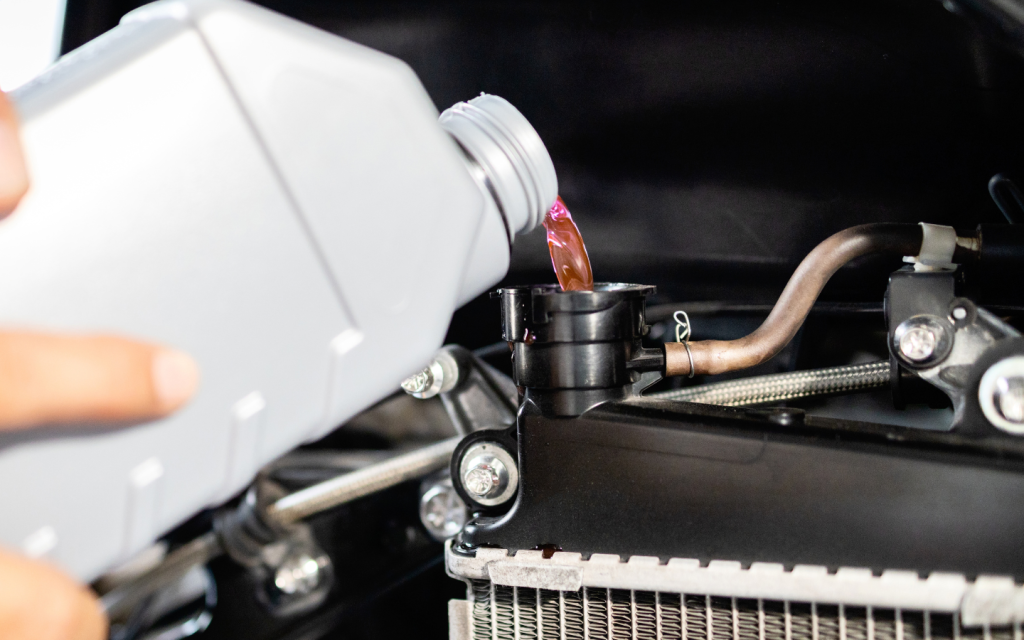
The American Petroleum Institute (API) and JASO certifications are essential indicators of engine oil quality and an important factor in choosing the right oil for the motorbike. API ratings, such as SJ, SL, SM and SN, reflect the level of protection the oil provides, with higher letters offering superior performance; for instance, SN oils are recommended for modern bike engines.
Similarly, JASO MA and MA2 certifications are crucial for motorcycles with wet clutches, as they ensure smooth clutch operation and prevent slippage, which is vital for maintaining performance and engine longevity.
7. Follow Proper Oil Change Practices
Here are a few tips for oil changes to keep up with the maintenance and make the motorbike fuel-efficient:
- Warm the engine before draining old oil.
- Replace the oil filter each time.
- Refill precisely to the recommended level.
- Check oil levels weekly using the dipstick.
Essential tools include a wrench, funnel, drain pan and rags. DIY changes save money, but professional service ensures no spills and proper disposal.
8. Avoid Common Mistakes
When choosing a motorbike engine oil, avoid the following mistakes:
- Using car oil instead of motorcycle oil.
- Ignoring climate effects on viscosity.
- Skipping regular oil changes leads to sludge formation.
- Overlooking synthetic oil benefits for high-performance or extreme-temperature rides.

FAQs
Can I mix different oil types?
It’s not recommended, as it can reduce performance and protection.
Can I use car oil in my bike?
No. Car oils lack the friction modifiers required for wet-clutch motorcycles.
Does engine age affect oil choice?
Yes. Older engines may benefit from thicker oils; modern engines often run better on thinner oils.
How do I check if my oil level is correct?
Use the dipstick weekly and ensure the level is within the recommended range on a warm engine. It also helps in extending the lift span of a motorcycle.
These were some useful tips to choose the right oil for the motorbike. By consulting the owner’s manual, choosing the appropriate oil type and viscosity, considering riding conditions and following proper maintenance, protect the engine and enjoy smoother, safer rides.
However, if you are experiencing issues with your current motorcycle, it is time for an upgrade. Browse through these new motorcycles for sale in the UAE that offer a myriad of choices. Also, make sure you have the necessary motorcycle accessories before getting on the road.
For more motorcycle care tips, advice and maintenance hacks, keep reading dubizzle’s autos blog.
Related Posts