- What is a Turbocharged Engine?
- What is a Naturally Aspirated Engine?
- Differences Between The Engines
- FAQs
When choosing a car, one important decision a driver has to make is its engine type. Two popular types are turbocharged vs naturally aspirated engines. Turbocharged engines have a special device called a turbocharger that uses exhaust gases to pull in more air. This extra air helps the engine produce more power.
On the other hand, naturally aspirated engines depend upon the natural airflow into the engine. Knowing the difference between turbocharged and naturally aspirated engines can help you decide which is better for your needs.
Let’s explore the two engine types more.
What is a Turbocharged Engine?

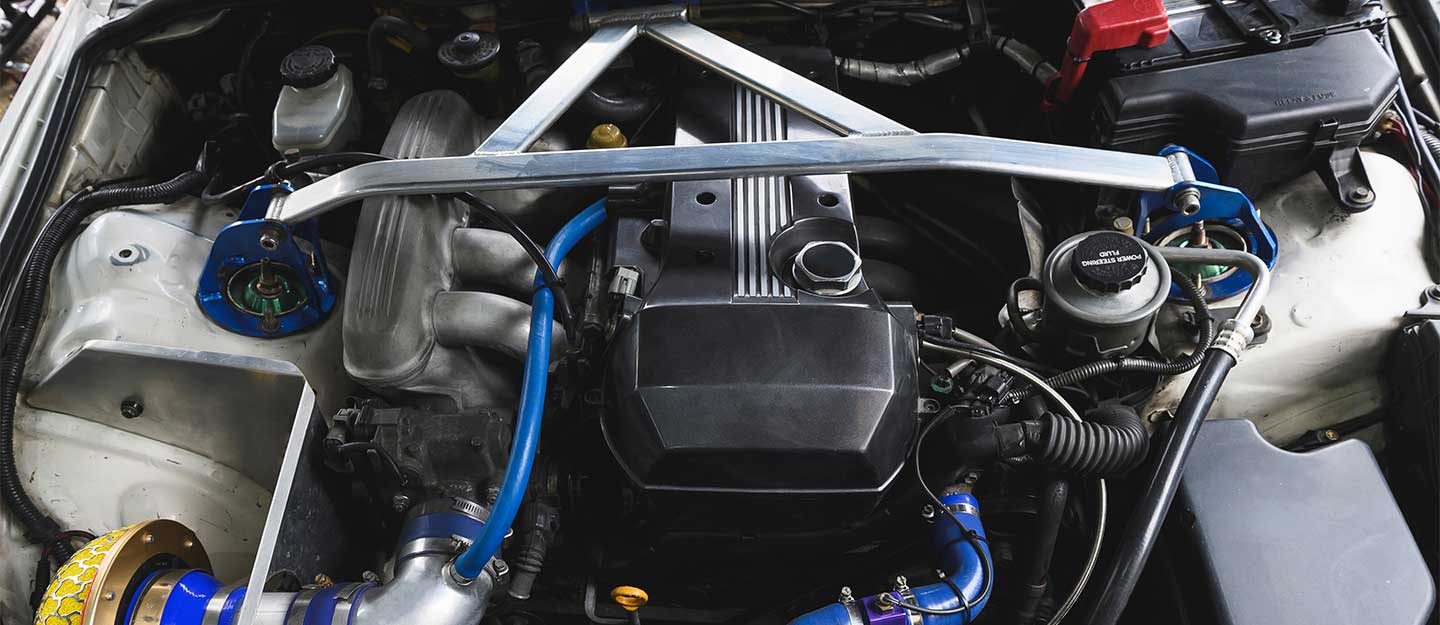
A turbocharged engine uses a turbocharger to increase power. The turbocharger forces more air into the engine using exhaust gases. When the engine burns fuel and air, it creates exhaust gases. The turbocharger captures these gases to spin a turbine, which pulls in more air and pushes it into the engine.
The extra air allows the engine to burn more fuel. When more fuel burns, the engine produces more power without increasing size. This is why turbocharged engines are popular in many modern cars. The history of turbochargers tells that they became popular in the 1970s due to a good balance of power and efficiency.
What is a Naturally Aspirated Engine?
A naturally aspirated engine pulls air into the engine. It relies on outside air pressure. When you press the gas pedal, air enters the engine through the intake manifold. The engine mixes this air with fuel and ignites it to create power. Some common myths about turbocharged engines say they are less fuel efficient than naturally aspirated engines.
Key parts of a naturally aspirated engine include cylinders, pistons and valves. These parts work together to take in air and fuel. The mixture burns inside the cylinders, creating energy that moves the pistons. This movement turns the crankshaft, which powers the car.
Differences Between Turbocharged vs Naturally Aspirated Engines
Turbocharger vs naturally aspirated engines differ in their build and working. Here are the main differences:

Air Intake Method
Turbocharged engines use a turbocharger to force more air into the combustion chamber. The turbocharger is powered by the exhaust gases produced during engine operation, which drives a turbine connected to a compressor.
This system allows more air to enter the engine, making more oxygen available for combustion. As a result, turbocharged engines can produce more power without significantly increasing engine size or weight.
Meanwhile, naturally aspirated engines rely solely on atmospheric pressure to suck air into the combustion chamber. Air enters through the engine’s intake manifold and is mixed with fuel more easily.
Since these engines do not have the added boost from a turbocharger, they are limited by the amount of air that can be pulled into the engine through natural atmospheric pressure. This leads to lower power output than turbocharged engines of the same size and power.
Power Output and Efficiency

Turbocharged engines produce more power from a smaller displacement. These engines can burn more fuel and generate more horsepower by forcing more air into the combustion chamber.
This efficiency improves fuel economy, especially when the engine is under load, such as during acceleration or climbing hills. Turbo engines can provide the same power as larger naturally aspirated engines while consuming less fuel. Furthermore, you must know how to protect your turbo engine for the best performance and output.
While naturally aspirated engines can deliver a smooth and linear power band, they often require larger displacements to produce comparable power levels. A naturally aspirated engine typically consumes more fuel than a turbocharged counterpart to achieve similar performance.
Additionally, naturally aspirated engines may struggle to maintain high power levels at higher altitudes, where reduced air density limits their ability to draw in sufficient air for combustion.
Turbo Lag vs. Throttle Response
To compare naturally aspirated engine with turbocharged engine, turbo lag is an important factor to consider. Turbo lag is an issue with turbocharged engines. It is the delay between pressing the accelerator and the turbocharger providing a boost in power. This happens because it takes time for the exhaust gases to spool up the turbocharger and generate the necessary boost pressure.
While modern turbochargers have become increasingly efficient at minimising lag, some drivers still notice a slight delay in throttle response, especially at low RPMs. However, many turbocharged engines are designed to maintain power at higher RPMs.
Naturally, aspirated engines provide a more immediate throttle response since they do not rely on a turbocharger for air intake. The throttle body can respond directly to driver inputs without requiring exhaust gases to build up pressure.
This can lead to a more engaging driving experience, particularly when precise throttle control is essential, such as on twisty roads or during quick overtakes. However, the power delivery may feel less dramatic compared to turbocharged engines, especially at higher speeds where turbocharged engines can excel.
Complexity and Maintenance
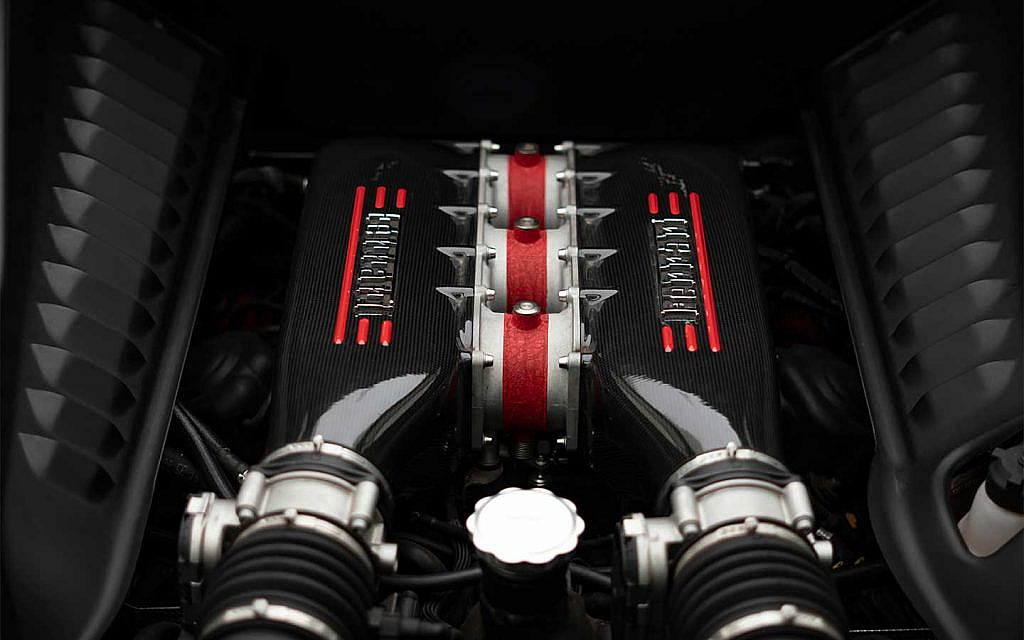
Turbocharged engines are generally more complex than their naturally aspirated counterparts. Adding a turbocharger and associated components, such as intercoolers and boost controllers, introduces more potential points of failure. It also requires careful management of exhaust temperatures and pressures in the long term. You must know some common causes of why turbochargers fail.
On the other hand, naturally aspirated engines tend to have a simpler design with fewer moving parts, making them easier and often cheaper to maintain. With no turbocharger to manage, these engines can have fewer mechanical issues and require less specialised knowledge for repairs. While they may not have the same power output potential as turbocharged engines, their straightforward design can contribute to greater reliability over time.
Emissions and Environmental Impact
Turbocharged engines can be more efficient in fuel consumption, leading to lower carbon emissions per unit of power produced. Turbocharging technology helps manufacturers meet increasingly stringent emissions standards without using larger engines. However, if not properly tuned and maintained, turbocharged engines can produce higher nitrogen oxides (NOx) and particulates.
For naturally aspirated vs turbo engines comparison, naturally aspirated engines produce fewer NOx and particulate emissions because they operate at lower pressures and temperatures than turbocharged engines. However, their lower efficiency can lead to higher overall emissions than similar power outputs. With the push for greener technologies, naturally aspirated engines may be at a disadvantage as manufacturers shift towards turbocharging and hybrid technologies to meet environmental regulations.
FAQs
Which is better, a turbocharged or naturally aspirated engine?
A turbocharged engine delivers enhanced power, while a naturally aspirated engine offers long-term reliability at a lower cost. Ultimately, the choice depends on the driver’s personal preference.
Which engine gives more mileage, turbocharged or naturally aspirated?
Turbo-charged engines are comparatively 10% more efficient than naturally aspirated engines. This is due to the better air intake given by the turbocharger.
Which engine is best for a turbo engine?
For turbocharged engines, the 95 octane gives the best overall performance. However, 93 octane petrol will also do fine.
There are several differences between turbocharged vs naturally aspirated engines. Turbocharged and naturally aspirated engines differ in terms of power production. Turbocharged engines are good for more power and better fuel efficiency. Meanwhile, naturally aspirated engines provide good reliability and consistent performance. Before choosing, you must know all the pros and cons of turbocharging and naturally aspirated engines. The choice depends on what you want more in your driving experience.
If you are looking for a new ride, check new cars for sale in the UAE to explore turbocharged and naturally aspirated engine options.
For more exciting information, stay tuned on the dubizzle car blog.
Related Posts