If you’ve ever confused buffing and polishing, you’re not alone. Both processes work towards achieving a smooth car surface, but their techniques and final results differ. Let’s go through the difference between car polishing vs buffing in detail along with their advantages.
Difference Between Buffing and Polishing

Though both techniques are used for car maintenance and upkeep, there are significant differences between buffing and polishing. Key differences include:
Abrasiveness
Buffing compounds are typically more abrasive than polishing compounds. Buffing is used for more severe paint correction, while polishing is for minor imperfections. Buffing compounds repairs deep scratches and helps restore faded car paint, while polish enhances the existing paint.
Depth of Correction
Buffing can remove deeper scratches and more significant defects, while polishing focuses on minor surface imperfections. Besides, a DIY car paint correction can further improve the paint’s appearance.
Tools and Techniques
Both processes use machines, but the pads and compounds differ in abrasiveness. Buffing requires more skill to avoid damaging the paint due to its aggressive nature.
Let’s go through the definitions, process and benefits to compare buffing and polishing in detail.
Car Polishing Explained
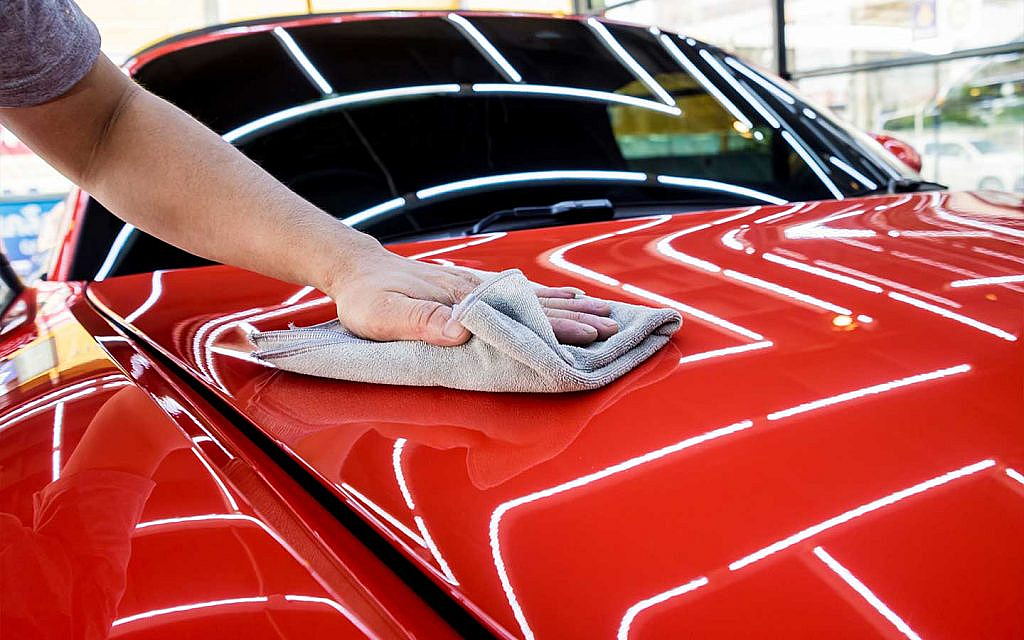
Car polishing an important part of car detailing services involves using a slightly abrasive compound and a polishing tool to remove a thin layer of the car’s clear coat. This process smooths out minor imperfections like scratches, swirl marks and oxidation from the car’s surface.
Process
The process of car polishing typically involves these steps:
- Step 1: Clean the car thoroughly.
- Step 2: Apply a small amount of polishing compound to a polishing pad.
- Step 3: Use a polishing machine to work the compound into the paint in small sections.
- Step 4: Buff off the residue with a microfiber cloth.
Tools Required for Car Polishing
When choosing products for car buffing and polishing, using high-quality items is crucial for achieving the best results. Tools and products required for car polishing include:
Polishing Machine:
- Dual Action (DA) Polisher: This is ideal for beginners and less aggressive.
Polishing Pads:

- Foam Pads: These come in handy for applying polish and achieving a smooth finish.
Polishing Compounds:
- Light Polish: It helps cover minor surface imperfections.
- Finishing Polish: It is used for final gloss and clarity.
Microfiber Towels: They remove polish residue and buff the surface to shine.
Detailing Spray: The spray is used to enhance shine and remove any remaining residue.
Benefits of Car Polishing
Polishing is ideal for minor surface imperfections, restoring shine and preparing the surface for waxing. Advantages of car polishing include:
Restores Paint Finish
Polishing can restore the original shine and gloss of the car’s paint by removing minor surface imperfections.
Smooth Surface
It creates a smooth surface, which enhances the overall look of the vehicle.
Prepares for Waxing
Polishing prepares the car’s surface for waxing or sealing by creating a clean, smooth surface for better adhesion.
Improves Paint Longevity
Regular polishing can help protect the paint by removing contaminants and preventing further damage. Here are the top places to get your car polished in Dubai.
Car Buffing Explained
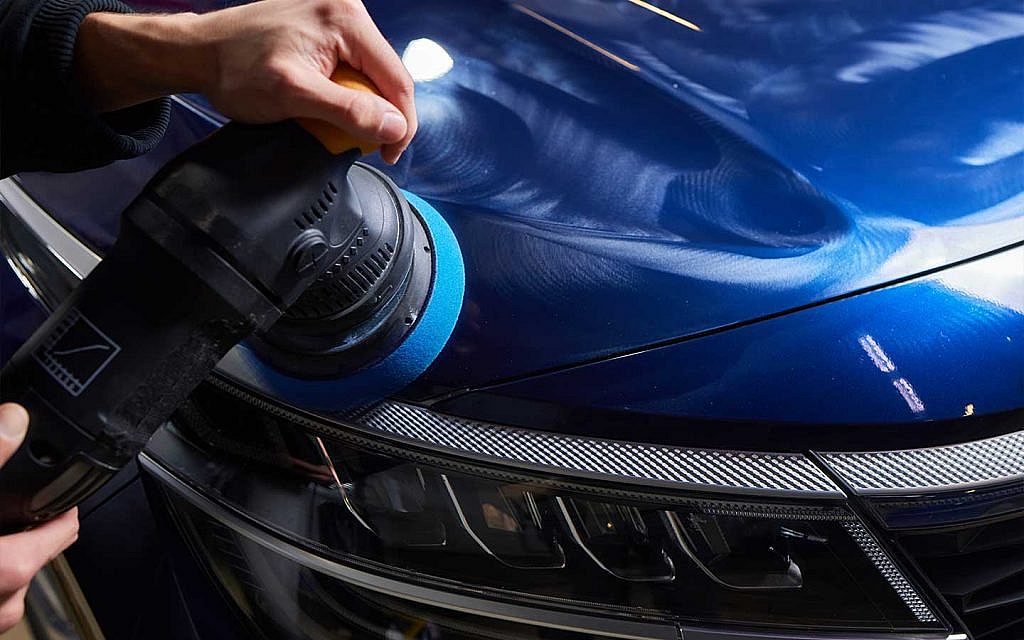
Car buffing involves using a buffing machine and a compound to correct deeper paint defects. Buffing can be more aggressive than polishing and is often used for more serious paint correction.
Process
Let’s go through the process of car buffing to understand how it’s different from car polishing.
- Step 1: Wash and dry the car.
- Step 2: Apply a buffing compound to a buffing pad.
- Step 3: Use a buffing machine to work the compound into the paint, focusing on areas with significant imperfections.
- Step 4: Buff off the excess compound with a clean cloth.
Tools Required for Car Buffing
Tools and products needed for car buffing include:
Buffing Machine: The machine uses a rotary buffer and a DA polisher.
- Rotary Buffer: This is used for more aggressive correction.
- Dual Action (DA) Polisher: It is useful for safer, user-friendly operation.
Buffing Pads: These include cutting and finishing pads.
- Cutting Pads: For removing deep scratches and oxidation.
- Finishing Pads: For a final, high-gloss finish.
Buffing Compounds: These include heavy-cut and medium-cut compounds.
- Heavy-Cut Compound: For severe imperfections.
- Medium-Cut Compound: For moderate defects.
Microfiber Towels: They are used to wipe off excess compound and polish.
Masking Tape: The tape protects the trim and other areas that are not being buffed.
Benefits of Car Buffing
Buffing is better suited for deeper scratches and heavily damaged paint, providing a more significant level of paint correction. Let’s go through the advantages of buffing in detail.
Removes Deep Scratches
Buffing is effective at removing deeper scratches and more severe oxidation.
Restores Heavily Damaged Paint
It’s suitable for restoring heavily weathered or damaged paint surfaces.
Enhanced Gloss
Buffing can bring back a high level of gloss and clarity to the paint.
Surface Preparation
Like polishing, buffing prepares the surface for further protective treatments like waxing or sealing. Here are some important tips for car buffing.
FAQS
What is the main purpose of car buffing?
Buffing removes deep scratches and heavy oxidation from the car’s paint.
What does car polishing do?
Polishing smooths out minor surface imperfections and enhances the car’s shine.
Is buffing more aggressive than polishing?
Yes, buffing is more aggressive than polish. The technique is used to remove deep and stubborn scratches that polishing can’t remove.
Can I use a dual action (DA) polisher for both buffing and polishing?
Yes, a DA polisher can be used for both, but with different pads and compounds.
Which is better for removing light scratches, buffing or polishing?
Polishing is better for removing light scratches.
Should I buff or polish my car first?
Buff first to remove deep imperfections, then polish for a smooth finish.
That wraps our explanation of buffing vs polishing techniques, their difference and benefits. Choosing between polishing and buffing depends on the condition of your car’s paint and the level of correction needed. For best results, it’s often recommended to start with buffing for significant imperfections and follow up with polishing for a smooth, high-gloss finish.
Besides, here is the difference between car polishing and waxing for those interested in these two car detailing techniques. Those living in the capital can go through these car waxing and polishing shops in Abu Dhabi.
Moreover, if you are looking to buy a new vehicle, explore this list of used cars for sale in the UAE and have your pick.
Stay tuned to dubizzle’s cars blog for more on different car maintenance processes.
Related Posts