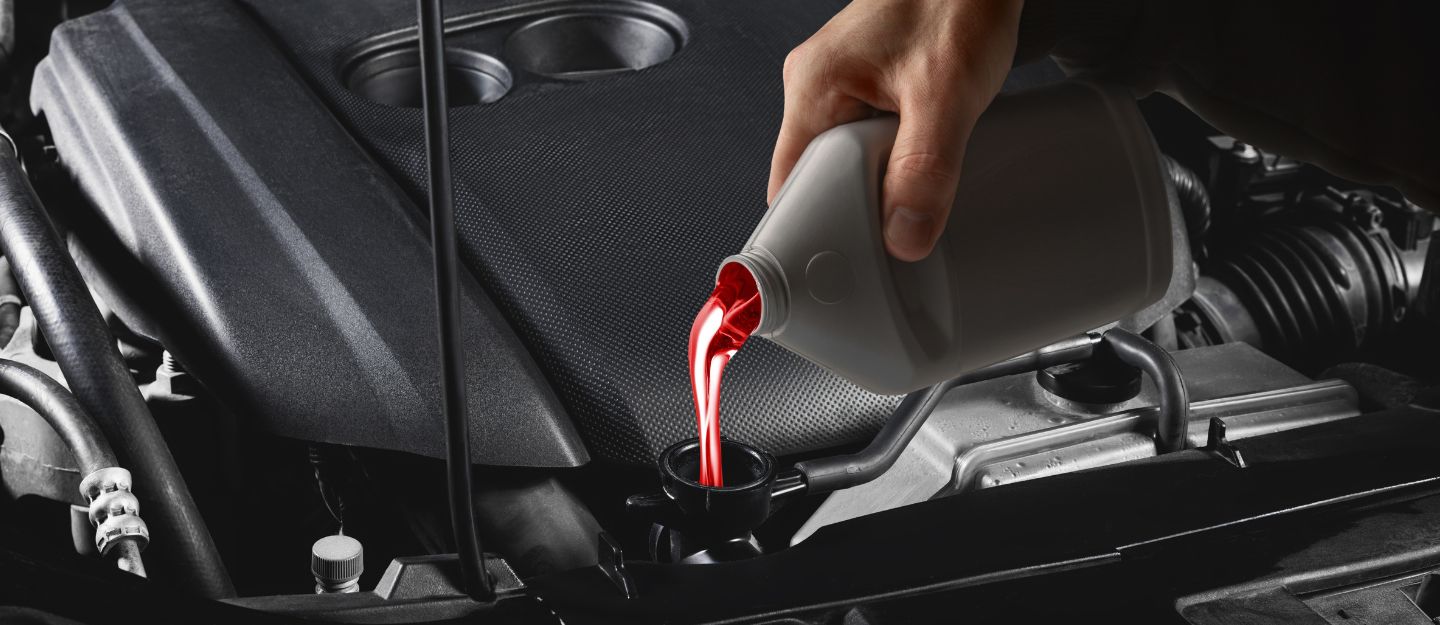
Transmission fluids, including Automatic Transmission Fluid (ATF) and Continuously Variable Transmission (CVT) fluid, play far more roles than simple lubrication. These fluids regulate hydraulic pressure, transfer power and torque, control valve body operation and help keep the transmission cool by maintaining a stable operating temperature.
Bubbles in transmission fluid interfere with these functions, reducing efficiency and increasing the risk of long-term damage if left unaddressed. Understanding why transmission fluid bubbles form, recognising the symptoms and addressing them promptly can help prevent costly transmission damage.
What Causes Bubbles in Transmission Fluid?
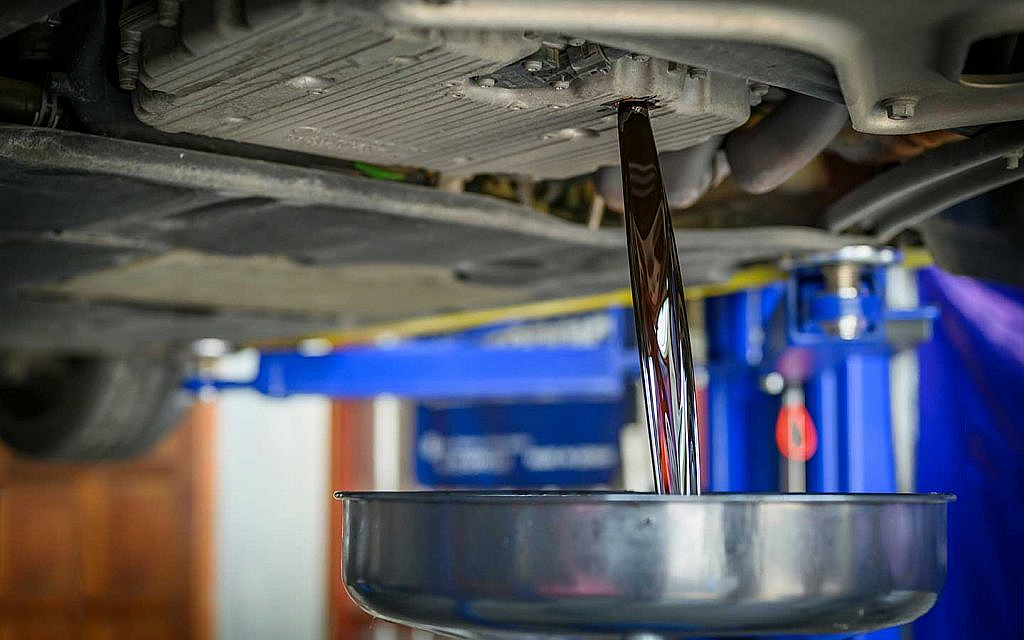
There are several possible causes of bubbles in car transmission fluid, most of which are linked to air entering the system or fluid performance being compromised.
Incorrect fluid levels
Both low and overfilled transmission fluid can lead to foaming.
- Low fluid levels allow the oil pump to draw in air along with the fluid.
- Overfilling transmission fluid causes rotating and reciprocating components to churn the excess fluid, trapping air and creating foam.
Air intrusion and leaks
Worn seals, faulty gaskets, loose fittings or depressurised internal fluid galleries can introduce air bubbles in transmission fluid, especially in CVT systems.

Wrong or mixed transmission fluids
ATF and CVT fluids contain carefully engineered additive packages designed for specific transmission systems. Mixing different types of transmission fluids can trigger chemical reactions, resulting in foaming, reduced lubrication and blocked hydraulic channels or valves.
Old or degraded transmission fluid
Over time, transmission fluid oxidises and loses its protective properties. Most manufacturers recommend replacement around 96,000 kilometres, though harsh driving conditions or high temperatures can shorten this interval to around 64,000–72,000 kilometres.
Blocked or faulty transmission filter
A clogged transmission filter restricts fluid flow, causing pressure inconsistencies that can lead to foaming.
Signs and Symptoms of Transmission Fluid Bubbles

When air enters the transmission fluid, several noticeable symptoms may occur, including:
- Jerking or harsh gear shifts
- Transmission shuddering or vibration
- Delayed gear engagement
- Vehicle shaking during braking
- Visible bubbles or foam on the transmission dipstick
How to Fix Bubbles in Transmission Fluid
The correct solution depends on the underlying cause of the foaming. To fix foamy transmission fluid effectively, it’s important to identify whether the issue stems from low or overfilled fluid, air leaks, contamination or internal mechanical faults. Each of these factors can impact the overall performance of the car’s transmission system.
Check and adjust fluid levels
Transmission fluid should be checked at the manufacturer-recommended temperature and engine condition. Some vehicles require the engine to be running, while others must be switched off and parked on level ground.
Inspect fluid condition
Healthy transmission fluid should be clean, transparent and free from burnt odours. If the fluid appears dark, smells burnt or shows heavy foaming, it should be replaced.
Drain and replace contaminated fluid
If incompatible fluids were mixed, completely drain the system and refill it with the correct, manufacturer-approved fluid. Continuing to drive with foamy transmission fluid can accelerate internal wear and damage.
Inspect for leaks and component failure
If fluid levels are correct but bubbles persist, a professional inspection may be necessary to check for leaking seals, damaged filters or internal mechanical issues.
FAQs
Is it normal for transmission fluid to foam?
Light bubbling can occur briefly, but persistent foaming is not normal and usually signals overfilling, air intrusion or fluid degradation.
Can air in the transmission fluid damage the transmission?
Yes, air reduces lubrication and hydraulic pressure, which can cause slipping, engine overheating and internal component wear.
Does overfilling transmission fluid cause air bubbles?
Yes, overfilled fluid gets churned by internal components, trapping air and creating bubbles or foam.
Transmission fluid bubbles are an early warning sign that something is wrong inside the system. Whether caused by incorrect fluid levels, contamination, ageing fluid or mechanical faults, foaming can quickly escalate into serious transmission damage. Regular maintenance, correct fluid selection and timely inspections remain essential for protecting your transmission and ensuring smooth performance.
If you’re considering upgrading or replacing your vehicle, you can also explore a range of used cars for sale in the UAE to find the right option for your needs. For brand-new options, explore these new cars for sale in the UAE, featuring modern features, advanced technology and the latest safety enhancements.
Keep reading dubizzle’s auto blog to learn more about common transmission problems and their solutions.
Related Posts