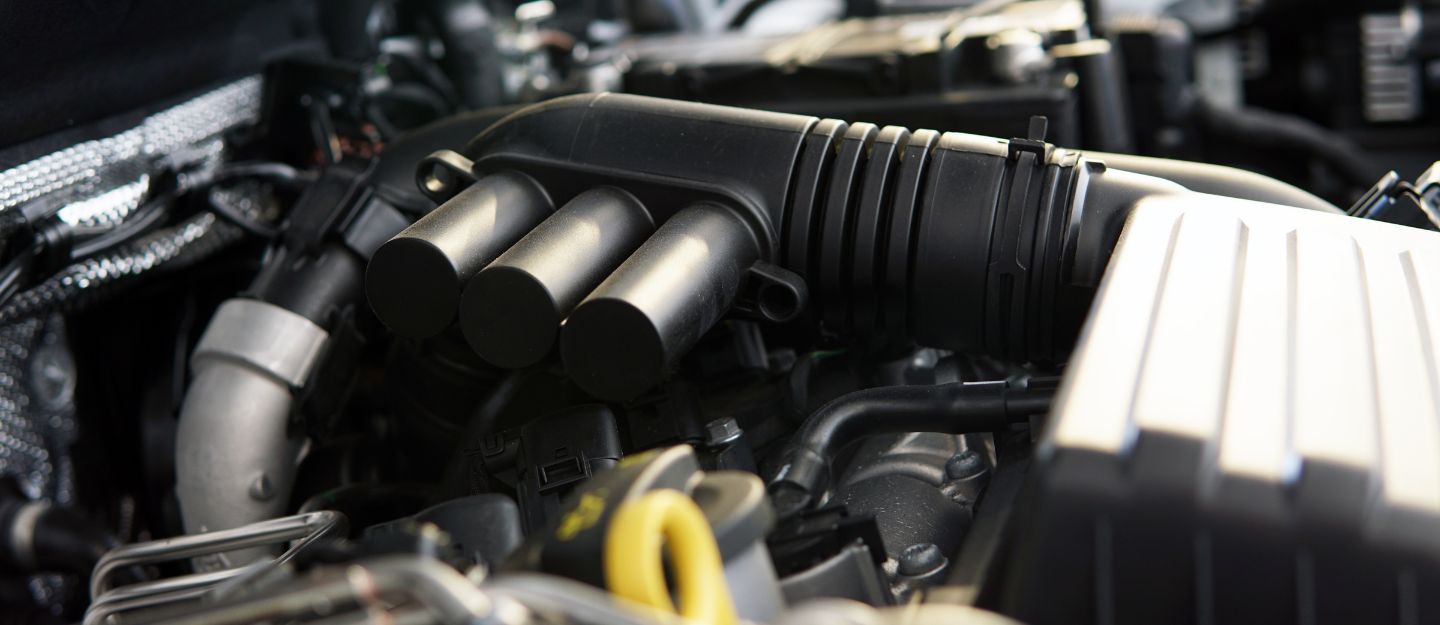
Oil inside the intake manifold is a condition many vehicle owners discover during routine servicing or diagnostic checks. While a small amount of oil vapour residue can be normal in modern engines, visible oil buildup inside the intake manifold often points to an underlying issue that should not be ignored.
Understanding the Intake Manifold’s Role
The intake manifold ensures the engine receives a consistent supply of air for proper combustion. In modern vehicles, especially those equipped with turbochargers or direct fuel injectors, the intake system is closely connected to emission control components such as the crankcase ventilation system.
The intake manifold plays a crucial role in engine operation by distributing clean air evenly to each cylinder. When oil enters this system, it compromises airflow quality and can affect combustion efficiency, engine performance and long-term reliability.
Main Reasons for Oil in the Intake Manifold
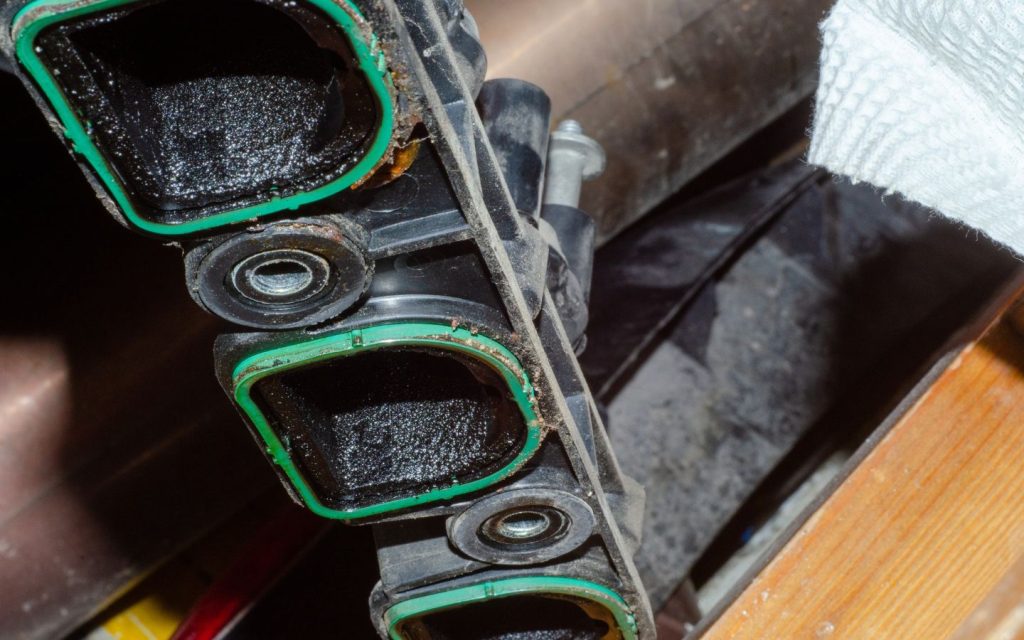
Oil in the intake manifold usually builds up due to engine ventilation issues, internal wear or lubrication system imbalances. Below are the most common reasons for oil in intake manifold:
Faulty Positive Crankcase Ventilation (PCV) System
The PCV system redirects blow-by gases from the crankcase back into the intake manifold to reduce emissions. Over time, the PCV valve or its hoses can become clogged or worn, allowing excessive oil vapour to pass through. As this vapour cools inside the intake manifold, it condenses into liquid oil and gradually builds up on internal surfaces.
Turbocharger Oil Seal Failure
In turbocharged engines, engine oil is used to lubricate and cool the turbocharger shaft. When turbo oil seals deteriorate, oil can leak into the intake side of the system. This not only results in oil accumulation inside the intake manifold but may also cause reduced engine power and increased oil consumption.

If left unaddressed, a failing turbo seal can lead to extensive damage to car’s turbocharger and the intake components.
Excessive Engine Blow-By
Blow-by occurs when combustion gases escape past bad piston rings into the crankcase. This increases internal pressure and forces oil vapours through the crankcase ventilation system and into the intake manifold. Engines with significant blow-by often show higher oil consumption and reduced overall efficiency.
This condition is more common in older engines or vehicles that have not followed consistent maintenance schedules.
Overfilled Engine Oil
Incorrect oil levels can also cause oil to enter the intake manifold. When the engine is overfilled, the crankshaft agitates the oil, turning it into a fine mist that is easily drawn into the intake system through the ventilation circuit. This situation is frequently seen after improper oil changes and is entirely avoidable by maintaining accurate oil levels.
Worn Valve Stem Seals
Valve stem seals prevent oil from leaking into the intake ports and combustion chamber parts. As these seals age, they may harden or crack, allowing oil to seep into areas where it does not belong. This often leads to gradual oil buildup in intake manifold along with carbon deposits and increased oil usage.
Consequences of Oil in the Intake Manifold
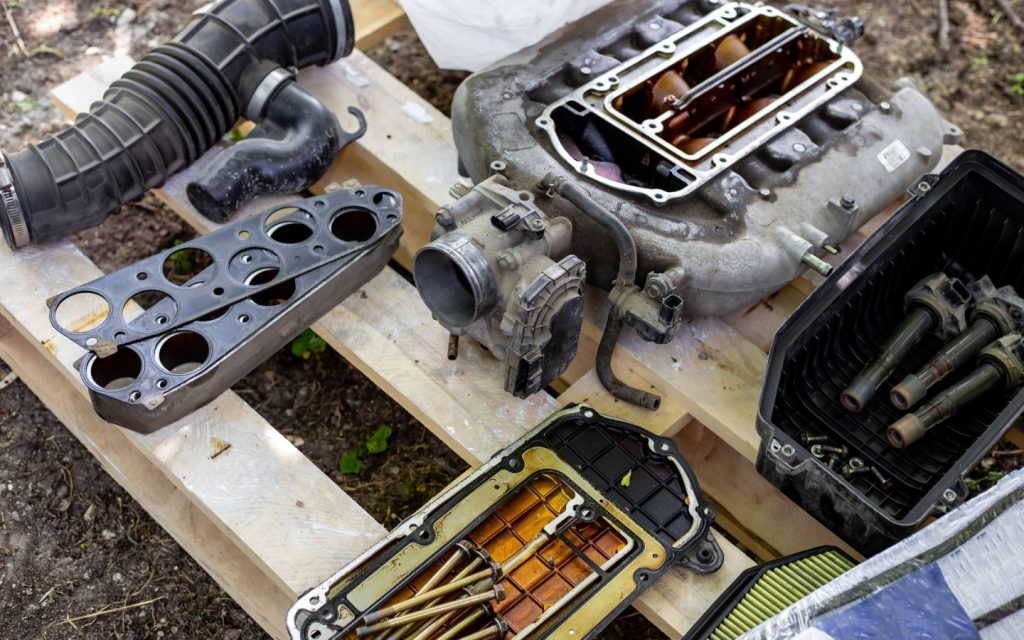
Oil contamination in the intake system can lead to several performance and reliability issues, including:
Reduced Engine Performance
Oil contamination disrupts the engine’s air-to-fuel balance. Over time, this can cause sluggish acceleration, delayed throttle response and reduced fuel efficiency. Drivers may notice that the engine feels less responsive, particularly under load.
Carbon Build-Up in Direct Injection Engines
Direct injection engines are especially vulnerable to oil-related carbon buildup. Since fuel does not pass over the intake valves to clean them, oil vapours can bake onto the valve surfaces and harden into carbon deposits. This restricts airflow and can lead to rough idling, misfires and noticeable power loss.
Increased Emissions and Component Stress
When oil enters the combustion process, it increases exhaust emissions and places additional strain on emission control components such as oxygen sensors and catalytic converters. Oil residue can also contaminate throttle bodies, intake sensors and intercoolers, leading to inaccurate readings and potential warning lights.
Long-Term Engine Wear
Ignoring oil buildup inside the intake manifold can accelerate wear on multiple engine components. Spark plugs may foul prematurely, intake passages can become restricted and internal engine parts may experience increased stress, shortening overall engine lifespan.
How Oil in the Intake Manifold Is Diagnosed
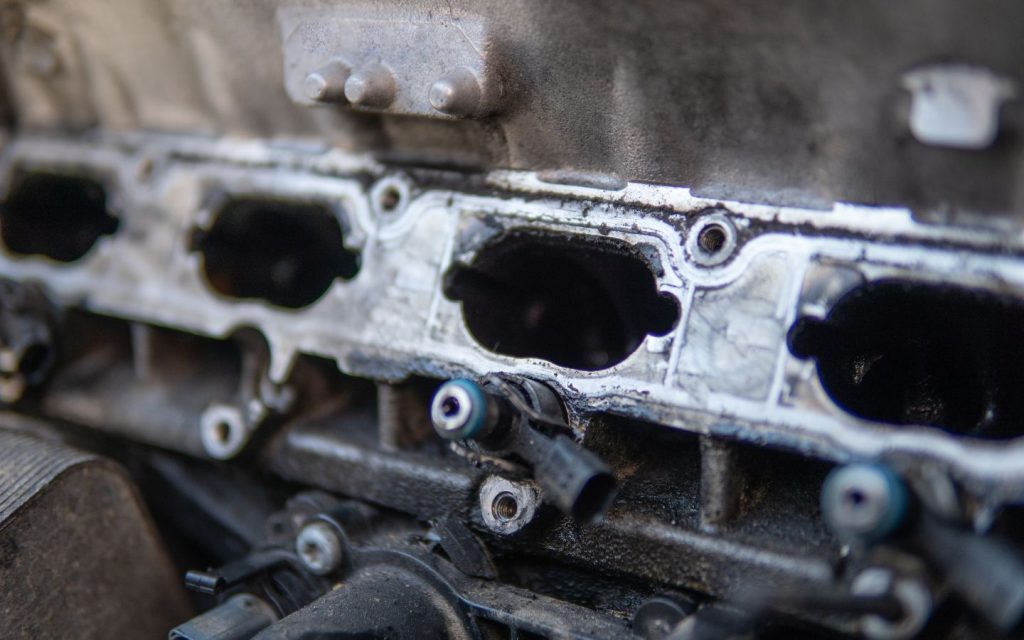
Diagnosing oil in the intake manifold involves a systematic inspection of the engine and intake components to identify the root cause. Technicians typically focus on the following areas:
- Inspecting the PCV valve and ventilation hoses for blockages, wear or improper operation
- Checking engine oil level and oil condition to rule out overfilling or oil degradation
- Reviewing oil consumption patterns and service history for signs of internal wear
- Examining turbocharger seals and intercoolers in turbocharged vehicles for oil leakage
- Inspecting the throttle body and intake manifold for oil residue and carbon buildup
- Performing compression or leak-down tests, if required, to assess piston rings and internal engine condition
How to Prevent Oil Build-Up in the Intake Manifold
Addressing early warning signs promptly helps prevent minor car issues from escalating into major repairs. Here are some practical steps to minimise oil accumulation and protect engine performance.
- Follow recommended oil change intervals
- Use manufacturer-approved engine oil
- Avoid overfilling engine oil
- Replace PCV valves as part of routine maintenance
- Consider oil catch cans (where suitable) for turbo engines
- Address the check engine lights immediately
FAQs
Is Any Oil in the Intake Manifold Normal?
A thin oil film inside the intake is considered normal in many modern engines due to crankcase ventilation design. However, pools of oil, dripping residue or recurring buildup are clear warning signs that require diagnosis.
What causes oil to accumulate in the intake manifold?
Oil accumulates in the intake manifold mainly due to crankcase ventilation issues, excessive engine blow-by, turbocharger oil seal leaks or incorrect oil levels. Over time, oil vapours condense inside the intake system and form visible residue.
Can a faulty PCV valve cause oil in the intake manifold?
Yes, a faulty or clogged PCV valve is one of the most common causes. When the valve fails to regulate crankcase pressure properly, excessive oil vapour is drawn into the intake manifold.
How is oil removed from the intake manifold?
Oil is typically removed by cleaning the intake manifold, throttle body and related components. However, cleaning alone is not sufficient unless the underlying cause, such as a faulty PCV valve or turbo seal, is repaired.
Oil in the intake manifold is often a symptom rather than the root cause of a mechanical issue. While small traces of oil can be normal in modern engines, excessive buildup should always be investigated without delay. In hot-climate regions such as the UAE, where engines operate under higher thermal stress, timely car maintenance and early diagnosis are essential to protect long-term performance and reliability.
This is particularly important when browsing used cars for sale in the UAE, as oil contamination in the intake system can indicate poor maintenance or hidden engine wear. A thorough dubizzle pre-purchase inspection helps identify such issues early and prevents unexpected repair costs after ownership.
Stay tuned to dubizzle’s auto blog to know more about different car parts.
Related Posts