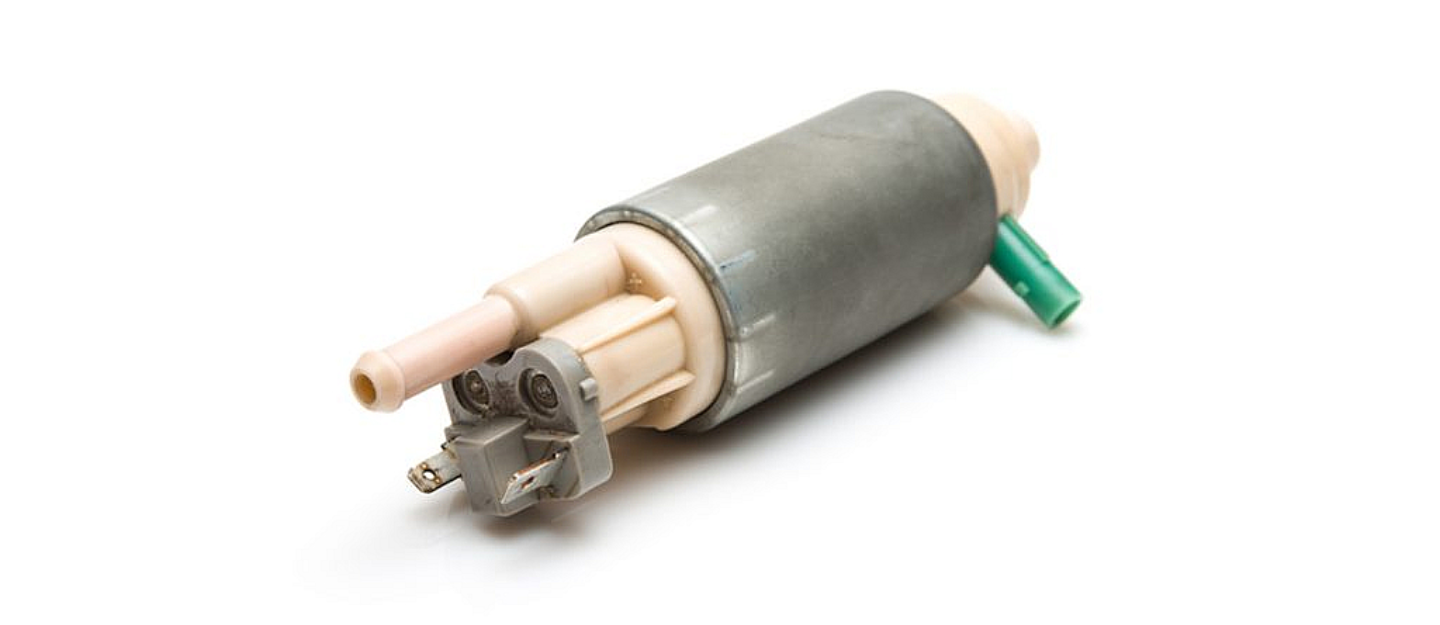
The fuel pump is a crucial component of any vehicle’s fuel system. It ensures fuel is delivered from the tank to the engine. Over time, fuel pump designs have evolved, becoming more efficient and reliable. Understanding how this part works and its importance can help you maintain your vehicle better. Let’s explore the fuel pump, covering its types, functions, common problems and maintenance tips.
What is a Fuel Pump?
A fuel pump is a device that moves fuel from the car fuel tank to the engine. It provides the right pressure to ensure proper combustion. This is vital for the engine to generate power. Fuel pumps are essential in modern vehicles, especially those with fuel injection systems. These systems require high-pressure fuel delivery, which only a working pump can provide.
Types of Fuel Pumps
Several types of fuel pumps are used in different car segments. More on that here.
Mechanical Fuel Pump
Mechanical pumps are common in older cars. They are operated by the engine’s camshaft or a similar mechanism. These pumps deliver fuel at low pressure, making them ideal for carburettor-based systems.
Mechanical fuel pumps have a simple design and operate at low pressure, typically between 4 to 10 psi, making them suitable for carburettor-based systems. They are mounted on the engine and use mechanical energy to ensure fuel flow.
Their main advantage is ease of repair and compatibility with older engines. However, they are inefficient for modern fuel systems requiring high pressure and are prone to wear over time.

Electric Fuel Pump
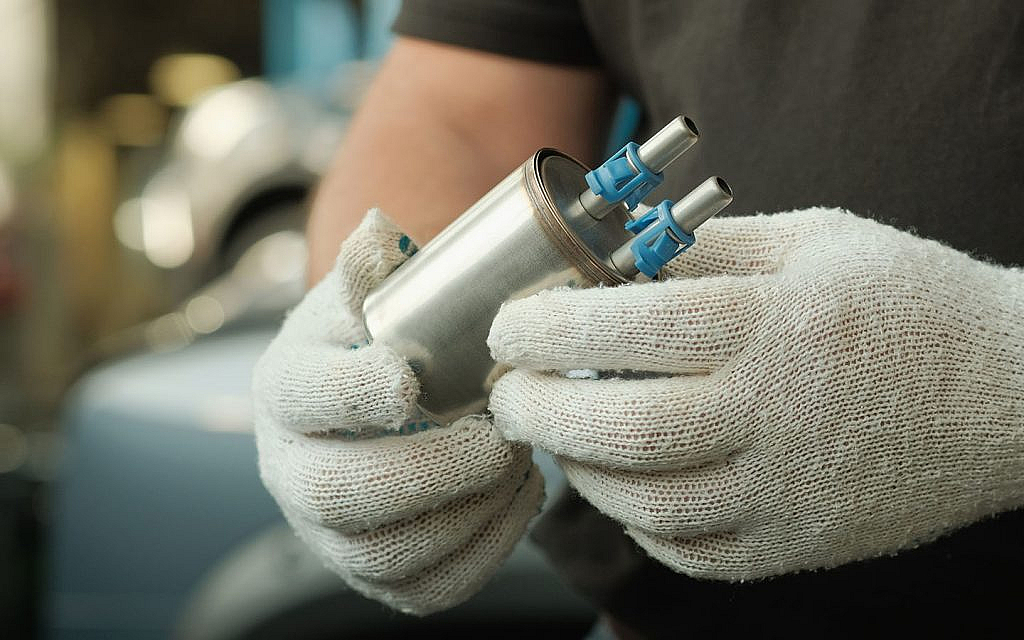
Modern cars use electric fuel pumps mounted inside or near the fuel tank. These pumps deliver high-pressure fuel, typically 30 to 60 psi, for fuel injection systems. The car’s computer controls them and is often submerged in the fuel tank to stay cool and operate efficiently.
Electric pumps are highly efficient and reliable, making them ideal for modern engines. However, such fuel pump replacement is expensive and has a more complex installation process than mechanical pumps.
Functions of a Fuel Pump
A properly functioning fuel delivery system, including a fuel pump, happens because of a car fuel filter. Here are more of its functions.
Fuel Delivery
The primary car fuel pump working is fuel delivery. The pump transports fuel from the tank to the engine, ensuring that there is always a steady supply for combustion. Without this continuous flow, the engine would fail to generate power, causing the vehicle to stall or not start.
Maintaining Pressure
Another critical role of the fuel pump is maintaining pressure. Modern engines, especially those with fuel injection systems, require consistent fuel pressure for optimal performance. If the pressure drops or fluctuates, the engine may misfire, lose power or run inefficiently. A properly functioning pump ensures the fuel reaches the engine at the right pressure.
Fuel Filtration
Some fuel pumps feature fuel filtration. These pumps include a built-in filter that prevents dirt, debris or contaminants from reaching the engine. Clean fuel is essential for engine health, as any impurities can clog injectors or cause internal damage over time.
By filtering the fuel, the pump helps protect vital engine components and ensures efficient performance. Replace the fuel filter and consider applying a fuel system cleaner to remove contaminants.
Common Signs of a Failing Fuel Pump
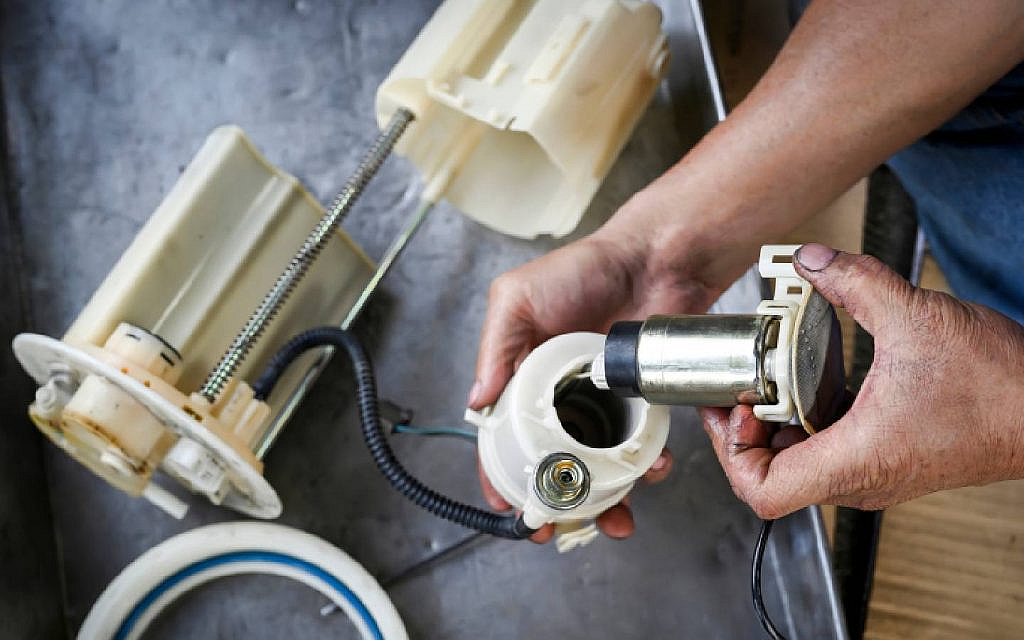
A bad fuel pump can cause car problems, from poor performance to complete breakdowns. Identifying the signs of a bad fuel pump early is important to avoid costly repairs.
- Difficulty starting the car or stalling frequently
- Engine sputters or misfires while driving
- Sudden loss of power under stress, like uphill driving
- Reduced fuel efficiency and higher fuel consumption
- Unusual whining noise from the fuel tank
- The engine doesn’t start despite cranking
Location of a Fuel Pump
The fuel pump is typically located inside the fuel tank of most modern vehicles. This position helps keep it cool and ensures efficient fuel delivery to the engine. You might find the fuel pump outside the tank in older cars, usually near the fuel lines.
The pump location ensures a smooth fuel flow under pressure for vehicles with inline engines. Always consult your car manual for the exact position, which can vary depending on the make and model.
Maintenance Tips For A Fuel Pump
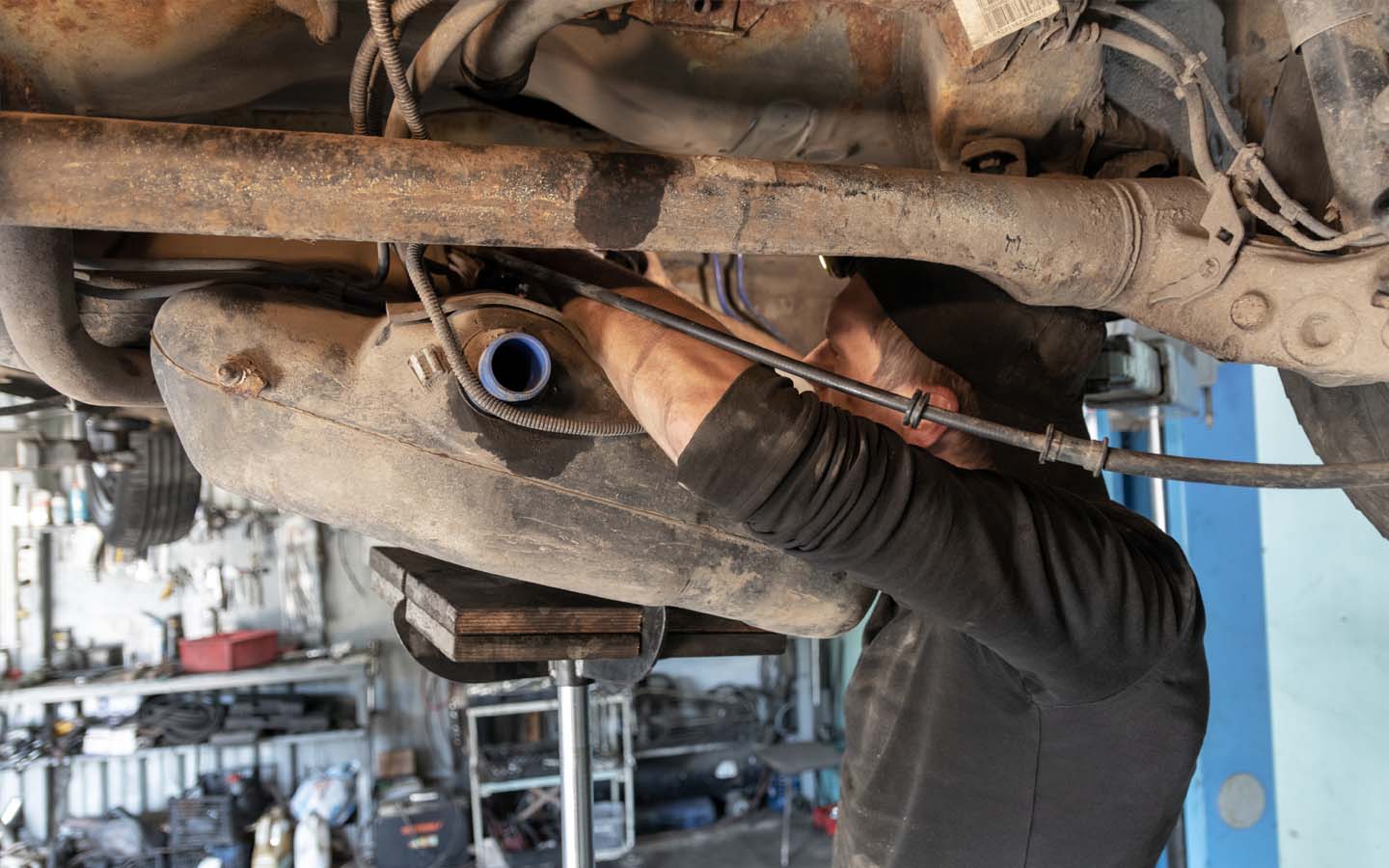
Proper fuel pump maintenance can improve its lifespan and ensure your vehicle runs smoothly. Here are key tips:
- Keep your fuel tank a quarter full to prevent overheating the pump.
- Use high-quality fuel to avoid clogs and build-up.
- Replace fuel filters regularly to ensure clean fuel reaches the pump.
- Avoid driving on low fuel, as debris can damage the pump.
- Monitor for unusual noises or signs of a failing pump.
- Follow your car’s service schedule for fuel system checks.
FAQs
How long does a fuel pump last?
An automotive fuel pump can last 160,000 to 240,000 kilometres. Regular maintenance can extend its life.
Can a bad fuel pump damage the engine?
Yes, an inconsistent fuel supply can cause engine misfires and damage over time. To get to the root cause of the problem, understanding the anatomy of the fuel system is crucial.
Can I drive with a failing fuel pump?
It’s not recommended. A failing pump can cause stalling, making driving unsafe. Monitor any unusual noise among the many signs of a bad fuel pump.
That was all about auto parts fuel pump. The fuel pump ensures the engine gets the fuel it needs at the right pressure. A functioning pump is key to a smooth driving experience, whether mechanical or electric. Keep your fuel pump in top condition to ensure your vehicle runs efficiently.
If you plan on buying a car, browse the list of used cars for sale in the UAE. Keep the above tips in mind to make sure the car doesn’t have any fuel pump related issues.
To learn more about the important car parts and how to keep them running smoothly, keep visiting UAE’s top cars blog.
Related Posts