Any vehicle’s braking system depends on two primary factors; fluid pressure and friction. The components that facilitate the brake application include the master cylinder, torotos, callipers, brake lines and brake booster. Defects in any of these components impact the car’s braking efficiency leading to brake lag.
A brake lag may cause your car’s stopping distance to increase once you push the brakes. You should refer to a trusted mechanic when you notice such an issue to avoid unfortunate events. Moreover, there are various causes of brake lag including faulty brake pads or brake line leakage.
Below, you can find the common causes of brake lag that will help you understand why your car is taking longer to slow down.
Potential Causes of Brake Lag
A lagging brake can be a serious concern if not identified on time. When your vehicle’s stopping distances increase, it might be time to repair your car brakes. Issues in the brakes can compromise the safety of both passengers and the driver. One such problem is the brake lag which affects the functionality and performance of a car.
Here are some causes of brake lag that you should keep in mind to detect what’s stirring up the problem in the first place.
Faulty Master Cylinder
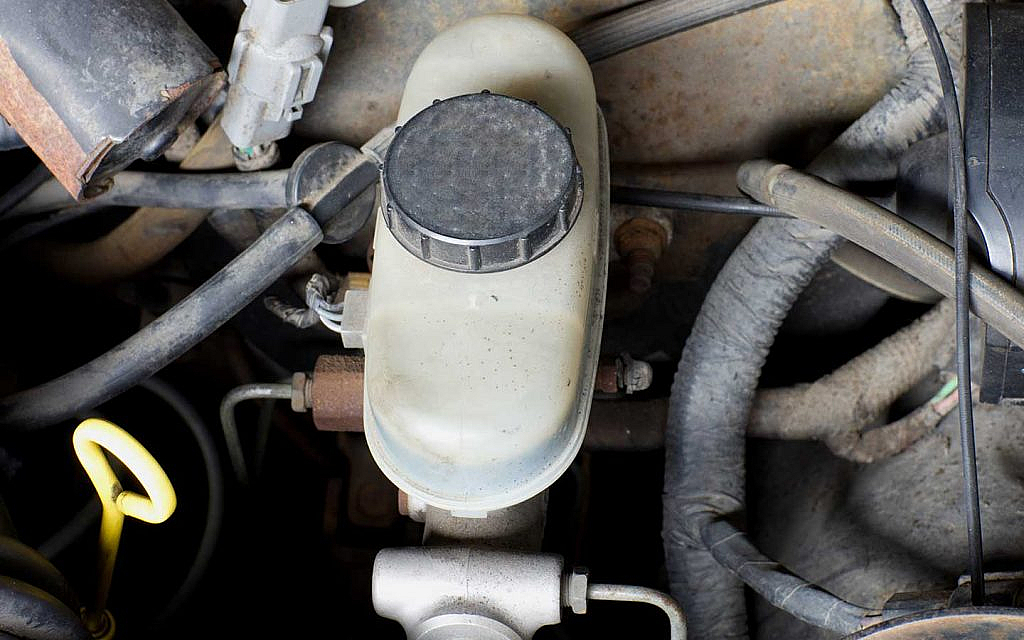
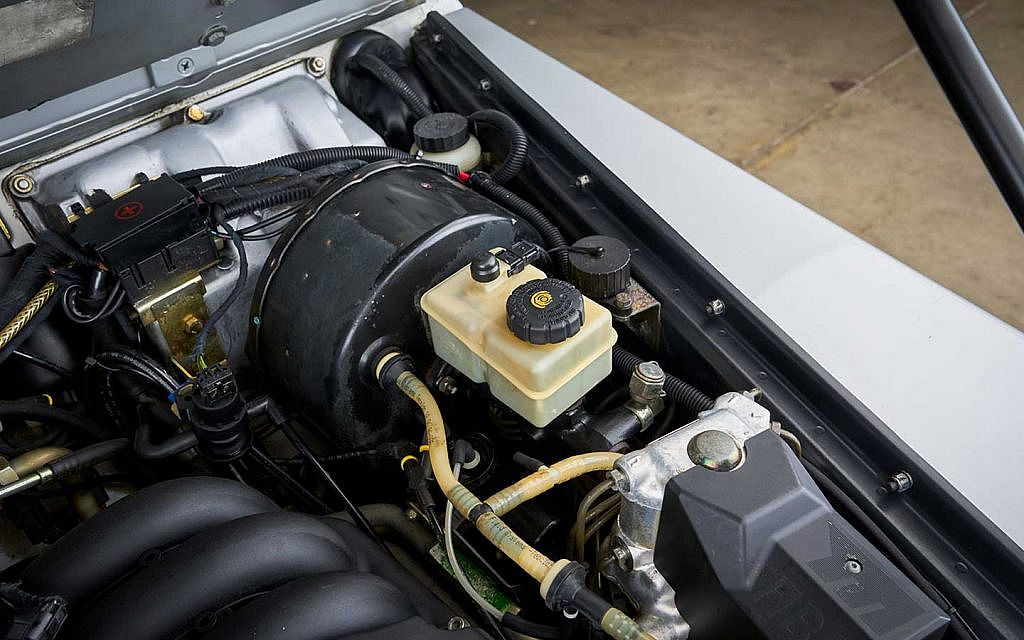
The function of the brake master cylinder is to produce hydraulic pressure that enables the brakes to engage after pressing the pedal. Since hydraulic pressure is an integral part of the braking system, a malfunctioning master cylinder can lead to brake failure, either in the front or rear brakes and cause brake lags.
Leaky Brake Lines
The function of brake lines is to deliver pressurised brake fluid to the callipers. A leak in any vehicle’s brake lines can hinder its braking process because there would not be enough pressure to slow down your car.

Brake lines leak when they start rusting and cracking after being exposed to moisture or road salt. The cracks result in a loss of pressure which interferes with the poor performance of the car brakes.
Insufficient or Contaminated Brake Fluid
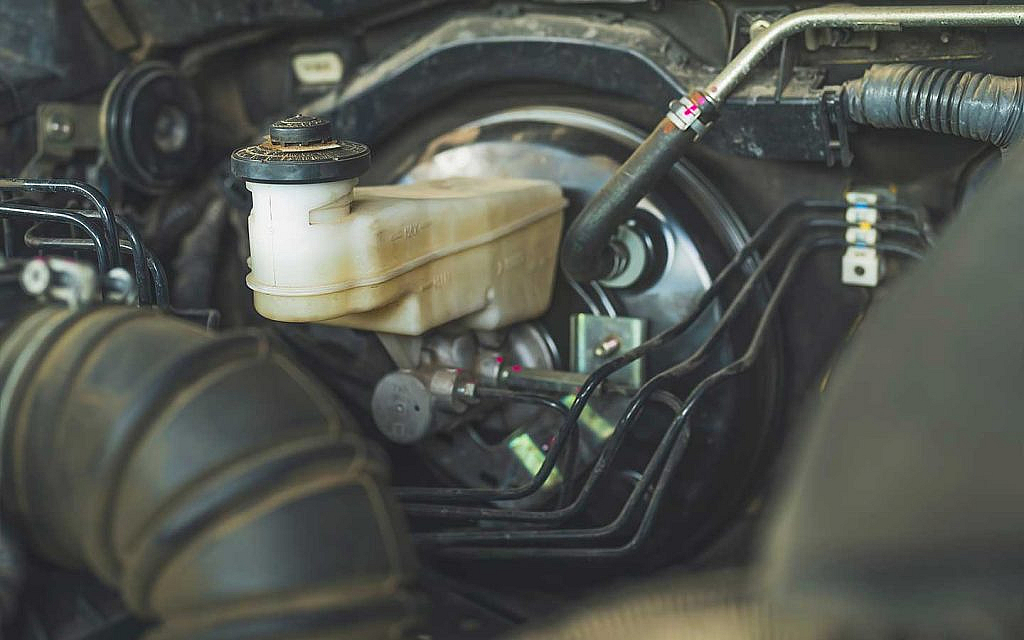
Another reason for brake lagging is inadequate or contaminated car brake fluid. Brakes are applied with the cooperation of various components such as callipers, master cylinders and brake pads. The master cylinder will not be able to generate enough pressure when the brake fluid levels are not refilled.
Moreover, one of the culprits behind low brake fluid is leaks. Brake fluid leaks can also occur in the brake booster. In such a case, even if the leak isn’t visible, it can substantially compromise the booster’s efficiency.
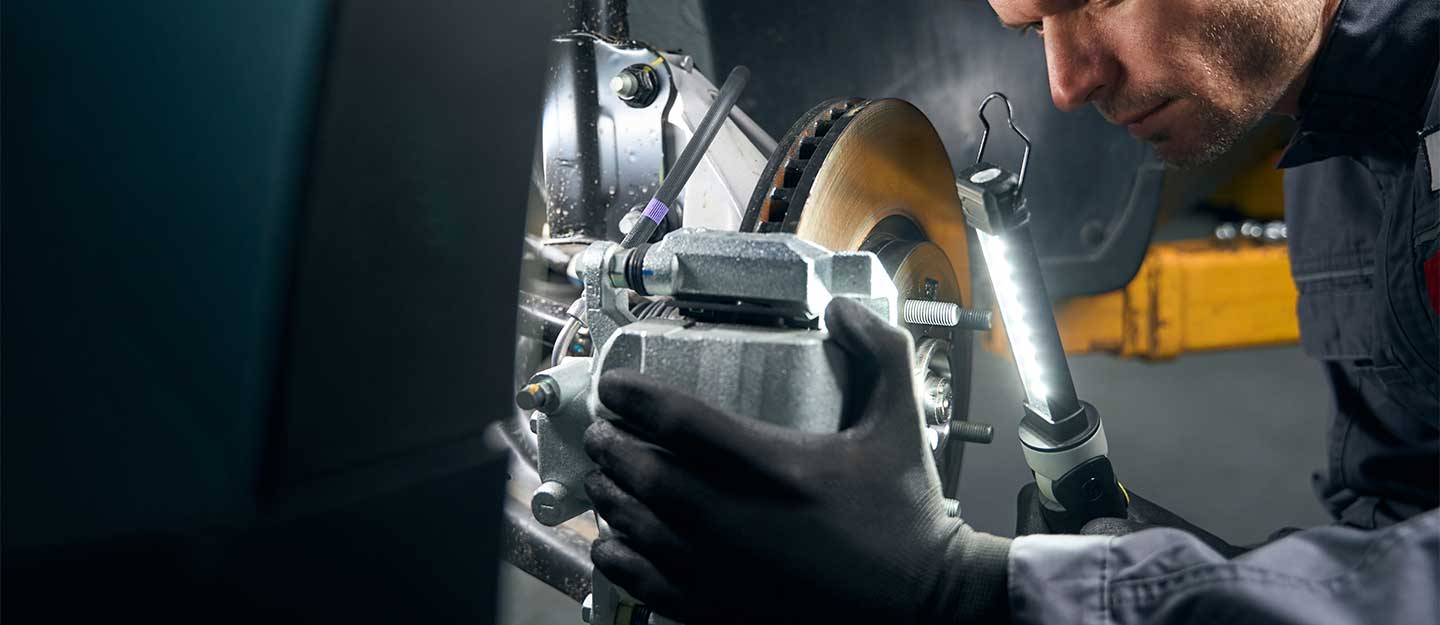
Defective Brake Calliper
The brake callipers’ purpose is to press the brake pads against the brake rotors to generate enough friction. This helps stop the car. Callipers consist of pistons and braking pads. If one of the callipers stops functioning, it would cause the brakes to lag as there won’t be enough power to stop the vehicle.
Bad Brake Pads
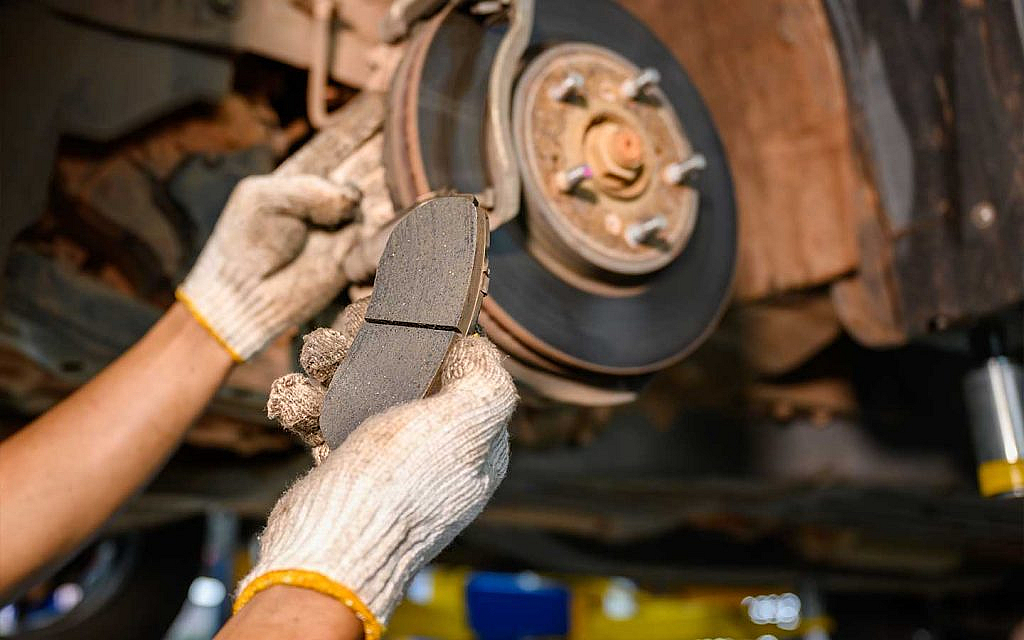
Worn-out brake pads are one of the most prominent causes of brake lagging. Brake pads and brake rotors are collectively responsible for creating friction that helps in slowing down and bringing the car to a halt.
However, brake pads are prone to wear and tear. The continuous usage of brake pads makes them thin which results in poor grip on the rotor.
Thin brake pads take longer than usual to create friction that would slow down or stop the car as compared to a functional set of pads. Regular replacement of brake pads is crucial for the proper functioning of the braking system.
Malfunctioning Shock Absorbers
Shock absorbers ensure that the vehicle’s weight is distributed equally and that all the tyres are in contact with the road. However, if there’s a leakage in the shock absorbers, the tyres may not be in constant contact with the road, increasing the braking distance.
Air in Brake Lines
If your car brake feels spongy or springy and is affecting your brake application then the reason behind it is air in the brake lines. The trapped air becomes an obstacle between the hydraulic pressure and the callipers.
When air enters the brake lines, it interferes with the pressure increasing the braking distance. This issue can be resolved simply by bleeding the car brakes so there’s a seamless flow of brake fluid in the brake lines.
Damaged Brake Boosters
A damaged brake booster is also one of the possible causes of brake lag which causes increased braking distance. You can identify a malfunctioning brake booster by the stiffness level of your brake pedal. A brake booster is used to help the driver when braking, however, the brake pedal hardens when the booster is damaged.
FAQs
What is brake lag?
Brake lag is the time your car’s braking system takes to engage when the driver presses the brake pedal. If you are facing delayed braking in your car then it is time to visit a trusted mechanic.
How do stuck brake pads affect brake lag?
A damaged calliper can get stuck in the applied position which may pull your vehicle to one side. This happens because the brake pads will only apply pressure to a single side of the rotor, compromising the braking performance.
How do I stop jerking when braking?
Bad callipers, damaged brake pads and faulty rotors are the reasons behind your car’s jerking while applying brakes. Consult an auto mechanic to get the problem fixed.
Those were the potential causes of brake lag that you should be mindful of. A compromised braking system leads to a number of unfortunate events. It is best to keep track of the symptoms of brake lag to address the problem promptly.
Any car’s braking system is composed of several elements and all these elements are prone to damage. However, with regular brake maintenance, it is possible to avoid these braking issues.
If you notice any of the aforementioned causes of brake lag in your car, it is time to pay a visit to a car garage in Dubai or any other emirates you are located in.
Furthermore, if the problems are recurring then maybe you should consider getting a new car. For that, you can look at these used cars for sale in the UAE.
To know more about braking issues and their solutions, keep reading dubizzle’s auto blog.
Related Posts