- Replace Brake Fluid
- Heat-Resistant Brake Pads
- Fit Vented Rotors
- Brake in Short Pulses
- Avoid Overloading
- Inspect Brakes Regularly
- FAQs
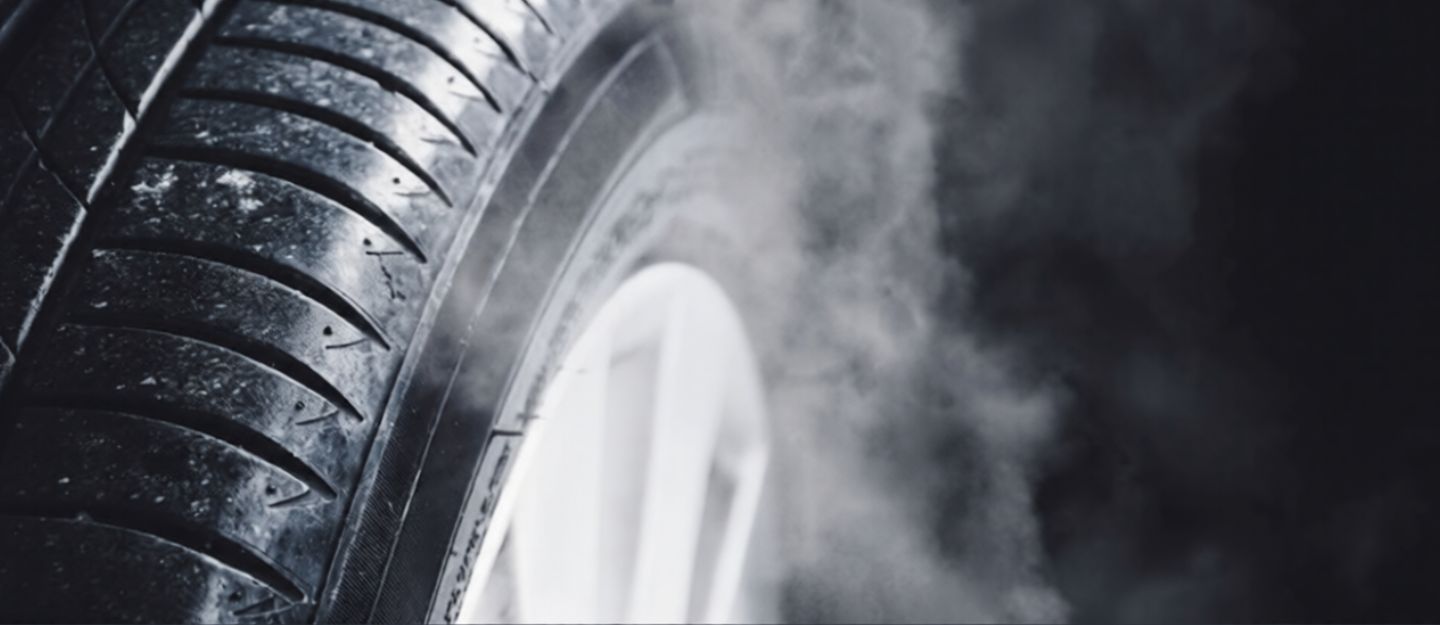
Brake fade is a drop in braking performance caused by excessive heat in the braking system. In hot climates, high environmental temperatures and repeated braking limit cooling and reduce friction between components. This can lead to delayed response and weaker stopping power. Knowing how to prevent brake fade helps drivers maintain consistent braking performance and maximise safety.
Brake Fade Prevention in the UAE
In hotter climates, a car’s braking system can overheat, leading to reduced efficiency and compromised stopping power. Drivers can minimise this issue by adopting effective brake fade prevention tips and essential safety measures.
Replace Brake Fluid Regularly
Brake fluid transfers pressure from the pedal to the braking components. In extreme temperature, it can absorb moisture or even boil, creating vapour bubbles. These bubbles compress under pressure, making the pedal feel spongy and reducing braking efficiency. To maintain performance, replace the brake fluid every 12 months or around 30,000 km. Besides regular fluid change, drivers can also consider using a high-temperature brake fluid specially manufactured for hot climates.
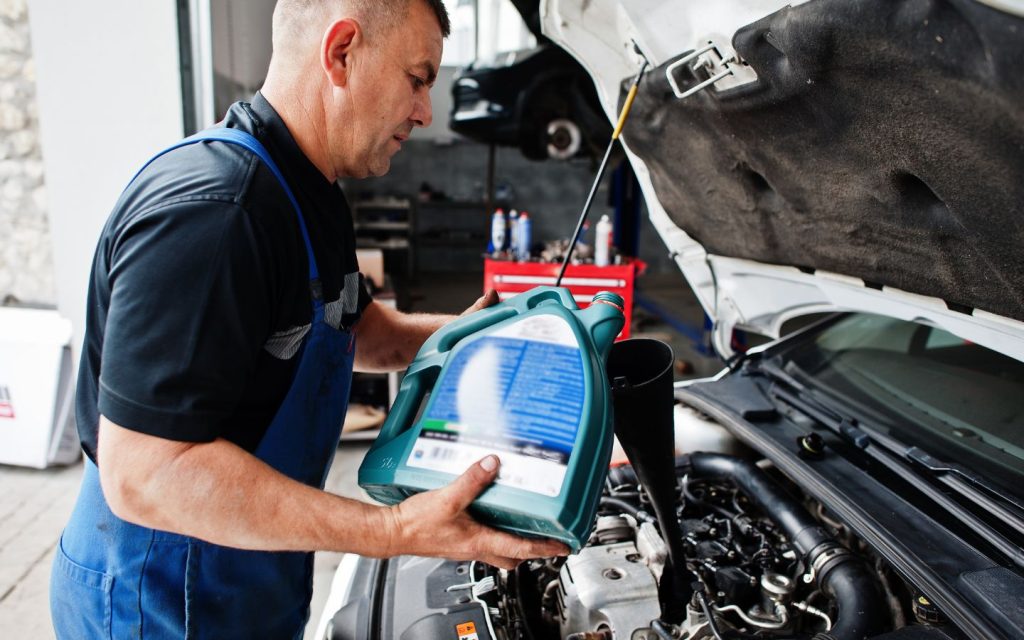
Install Heat-Resistant Brake Pads
Standard brake pads can soften and lose their grip, leading to brake slippage due to heat. Heat-resistant brake pads, however, are made from materials like ceramic or metal, which maintain braking performance even in extreme temperatures. These specialised pads ensure consistent stopping power, reducing the risk of brake fade and enhancing safety.

Fit Vented or Slotted Rotors
Like pads, standard brake rotors can lose effectiveness in excessive heat. However, vented or slotted rotors feature internal channels that allow cool air to circulate, helping to maintain optimal temperature. These rotors can reduce the temperature inside the braking system by 20% to 30%, ensuring more consistent braking performance.
Brake in Short Pulses
Slamming the car brake pedal for extended periods increases friction, generating extreme heat. To minimise this, it’s recommended to apply the brake pedal for 2 to 3 seconds, release, and then press again. This technique allows heat to dissipate from the brake pads, helping to prevent overheating and maintain braking efficiency.
Avoid Overloading the Vehicle
Excessive weight on a vehicle places added stress on the brake pads, raising temperatures by 10 to 15°C. To avoid overloading the braking system, it’s important to keep the vehicle within the maximum weight limit recommended by the manufacturer, as specified in the car’s owner manual.
Inspect and Clean Brakes Regularly
In the UAE, sand particles can become trapped in the braking system, exacerbating heat buildup and contributing to increased wear and tear. To prevent this, it’s recommended to inspect the braking system regularly, at least every 3 months or 5,000 km, to ensure optimal performance and longevity.
FAQs
Is brake fade common when driving in the UAE?
Brake fade is relatively common in the UAE due to extreme heat and frequent stop-and-go driving conditions, which stress the braking system.
How can drivers prevent brake fade during summer driving?
Drivers can prevent brake fade by using high-temperature brake fluid, installing heat-resistant brake pads and regularly maintaining the braking system.
Do high-performance brake pads reduce brake fade?
High-performance brake pads, such as ceramic or metal options, are designed to withstand higher temperatures that can help reduce brake fade.
Can brake fluid quality affect brake fade?
Low-quality or old brake fluid can absorb moisture and boil under high temperatures, leading to brake fade.
These brake fade prevention methods can help drivers maintain their vehicle’s braking efficiency in extreme heat. Similarly, other major components, such as the engine, can also be affected by high temperatures. Heat-related issues can worsen over time, leading to major malfunctions if not addressed promptly. That said, when buying a used car in the UAE, it’s essential to check for heat damage to avoid costly repairs down the line.
Stay connected with dubizzle’s auto blog to learn mountain and desert driving safety tips.
Related Posts