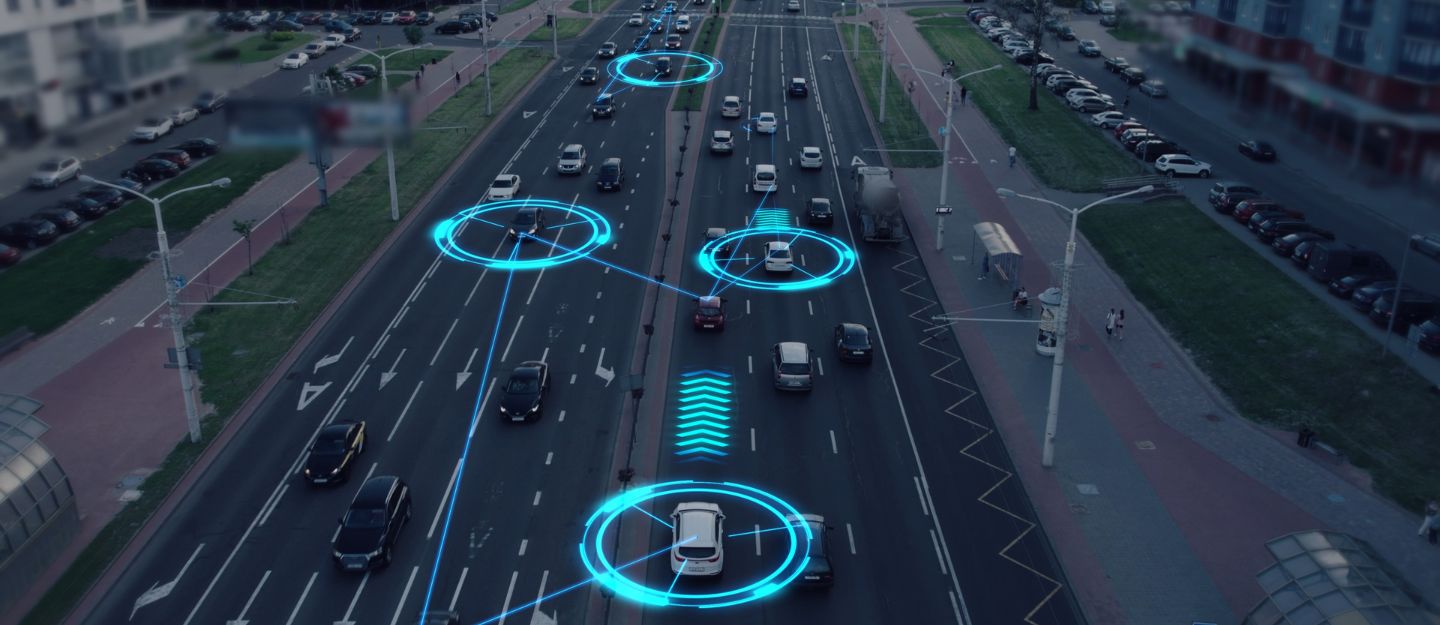
The idea of self-driving vehicles has fascinated humanity for centuries. This fascination has served as motivation for engineers around the world to turn this dream into reality. From early concepts to today’s advanced technology, the evolution of autonomous vehicles has been driven by innovation and a constant desire to reshape how we think about transportation.
Let’s take a look at the evolution of self-driving car technology over the years.
Early Concepts
In the 16th century, Leonardo da Vinci sketched a small three-wheeled self-propelled cart. Even though it never made it to the roads, this design is considered one of the first ideas of a self-driving car and laid the foundation for the evolution of autonomous vehicles.
Advancements in the 20th Century
Fast forward to 1925, Francis P. Houdina, an electrical engineer, demonstrated a radio-controlled car in New York City. Although it crashed, this event marked an early attempt at vehicle automation. This vehicle also sparked curiosity about the potential of driverless cars.
Later, the 1939 New York World’s Fair showcased Norman Bel Geddes’ ‘Futurama’ exhibit. It featured semi-autonomous vehicles guided by radio control and embedded magnets to highlight the era’s vision for the future of cars.

Academic and Military Developments
In the 1960s, Stanford University developed a small cart that could navigate surfaces using sensors. This project laid the groundwork for future autonomous systems. In 1977, engineers at Japan’s University of Tsukuba developed a passenger vehicle that could drive itself at speeds of up to 32 kph.
Moreover, the 1980s saw significant progress with projects like Carnegie Mellon University’s Navlab and Mercedes-Benz’s Eureka Prometheus Project. These initiatives advanced autonomous vehicle technology and moved closer to practical applications.
Modern Developments
Carnegie Mellon made history in 1995 when its Navlab 5 successfully drove from Pittsburgh to San Diego. This cross-country journey marked a significant milestone in autonomous vehicle development.
The late 1990s marked a turning point when autonomous vehicles began to demonstrate long-distance capabilities. These experiments proved that self-driving systems can adapt to complex situations and environments.
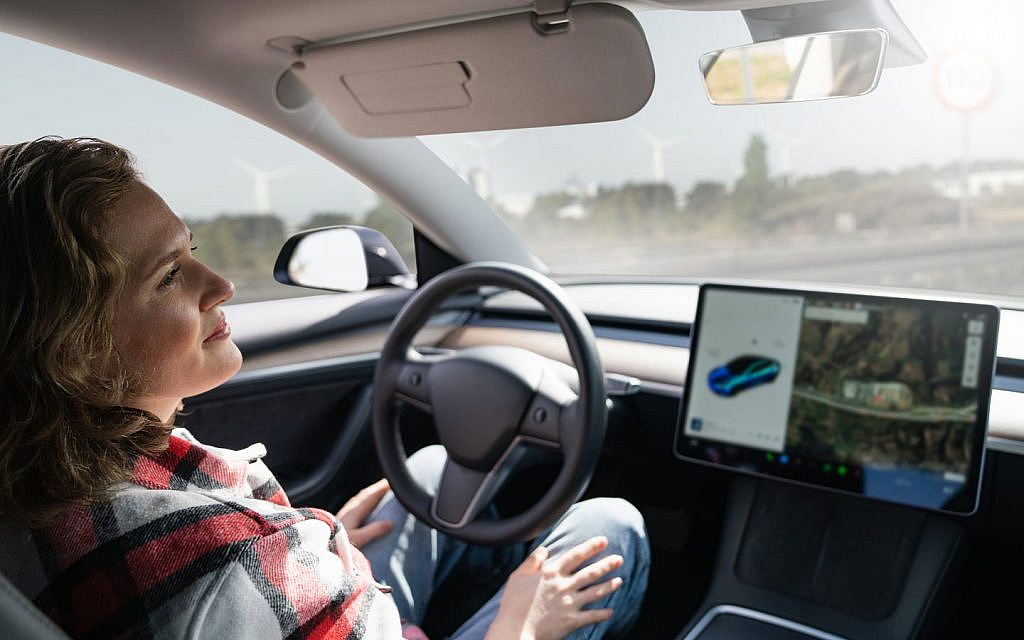
The 21st century has seen rapid progress in AV technology. In 2016, Tesla introduced its Tesla Autopilot system which offers semi-autonomous driving features. This system has evolved over time and now incorporates advanced hardware and software to enhance vehicle autonomy.
The introduction of machine learning and data-driven algorithms further enhanced decision-making. Vehicles could now learn from real-world driving scenarios to make them smarter and safer over time. Testing on public roads also became more widespread. This stage was crucial for gathering data and improving the reliability of autonomous systems.
Current Trends and Future of Autonomous Vehicles
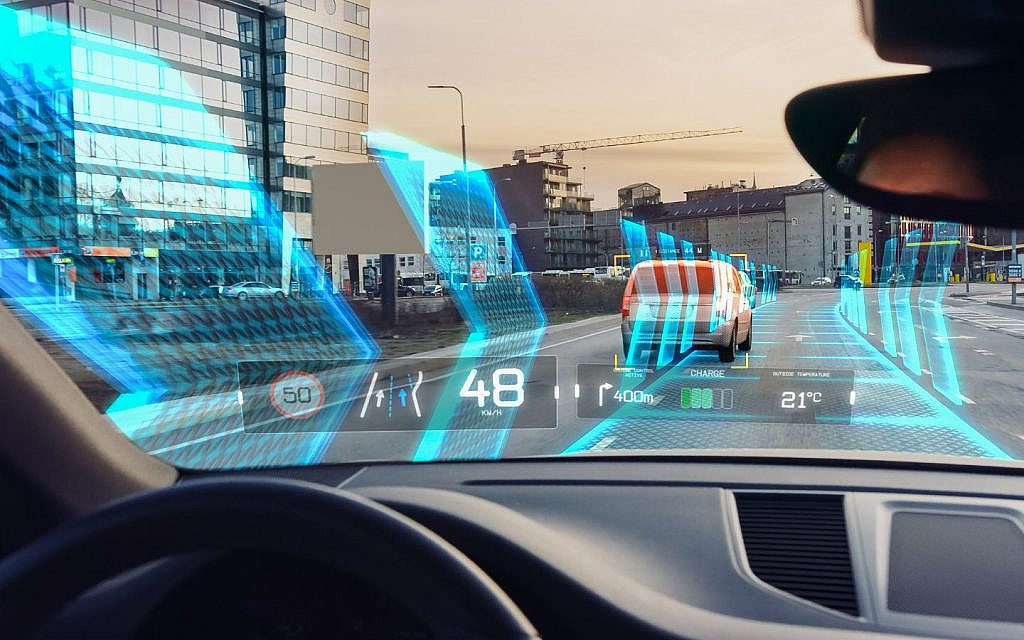
Today, autonomous vehicle technology continues to evolve. Companies are focusing on improving safety, energy efficiency and integration with smart cities. Developments in communication technology such as vehicle-to-vehicle (V2V) and vehicle-to-infrastructure (V2I) systems aim to make self-driving cars safer and more efficient.
Fully autonomous vehicles are still under development. However, advancements in artificial intelligence in self-driving cars, mapping and sensor technology bring this vision closer to reality.
In the future, AVs could revolutionise urban mobility. They promise to reduce traffic congestion, lower emissions and provide accessible transportation options for everyone. The combination of autonomy and sustainability could reshape how we think about travel.
FAQs
What is the history of autonomous vehicles?
Automated vehicles date back to Leonardo da Vinci’s self-propelled cart in the 16th century. The 1920s saw radio-controlled cars and by the 1980s, sensor-equipped cars emerged.
What was the first autonomous vehicle in the world?
Carnegie Mellon’s Navlab 5 in 1995 was considered the first truly autonomous vehicle in the world.
What are the 5 levels of autonomy of autonomous vehicles?
- 0: No Driving Automation
- 1: Driver Assistance
- 2: Partial Driving Automation
- 3: Conditional Driving Automation
- 4: High Driving Automation
- 5: Full Driving Automation
The evolution of autonomous vehicles from da Vinci’s sketches to today’s modern cars reflects humanity’s constant drive to innovate and improve transportation. As technology continues to advance, the dream of fully autonomous vehicles is no longer a distant possibility. It is also important to keep autonomous vehicle laws in the UAE to ensure the safe operation of these modern vehicles.
Many new cars come equipped with modern technology that provides a luxury driving experience. To experience these modern features, browse through this wide variety of new cars for sale in the UAE and take your pick.
Stay connected to dubizzle’s auto blog for more insights on the history and future of modern vehicles.
Cover Image Credits: Shutterstock Photo Contributor – AlinStock
Related Posts