Maintaining optimal cabin air quality is crucial to protect against allergens, pollutants and other harmful elements. While traditional air conditioning systems and filters can help remove particulate matter, they are less effective against fine airborne contaminants. This is where air quality control systems come into play. These advanced systems utilise multiple filters and sensors to detect and eliminate pollutants, maintaining optimum air quality inside cars.
Vehicle Air Quality Control System Explained
The car air quality control systems are an advanced version of the traditional Heating, Ventilation and Air Conditioning (HVAC) system. These air purification systems go beyond basic particle filtration, actively monitoring, filtering and purifying the cabin air. Equipped with smart technology, they are capable of tracking and maintaining the Air Quality Index (AQI) within the vehicle.
Components of Cabin Air Quality Control System
Cabin air quality control systems feature various components, which may differ between manufacturers. However, the air quality control systems found in new cars for sale in the UAE typically include:
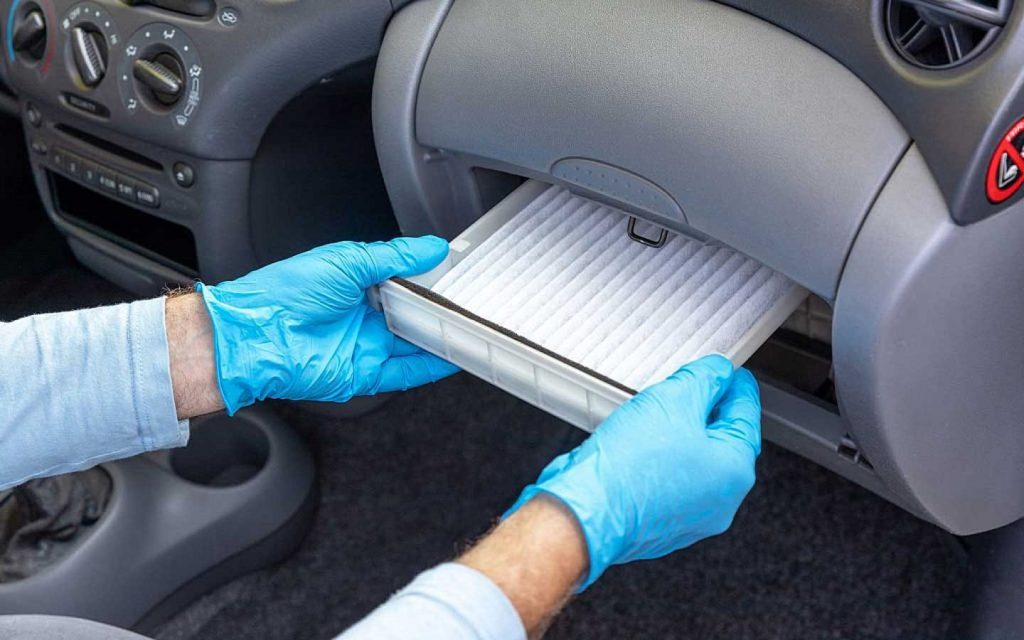
- Cabin Air Filter: The cabin air filter serves as the first line of defence, designed to capture particulate matter as small as PM 2.5. It also helps trap Volatile Organic Compounds (VOCs) and exhaust fumes.
- Air Quality Sensor (AQS): The smart sensors continuously monitor the AQI and automatically activate the air recirculation function when it surpasses the preset limit.
- HVAC System: The HVAC system regulates air intake and recirculates air within the cabin, maintaining temperature and air quality.
Working of Cabin Air Quality Control System
The working of the cabin air quality control system is based on four different steps:

- Step 1: Fresh air enters the vehicle through the air intakes and is passed through the cabin air filter to remove particulate matter and pollutants.
- Step 2: The AQS detects harmful pollutants such as hydrocarbons and carbon monoxide. If the pollutant levels exceed safe limits, the system signals the car’s computer to activate air recirculation or increase fan speed to remove these contaminants.
- Step 3: The air is then processed through the HVAC system, where it is heated, cooled or dehumidified based on the desired settings.
- Step 4: Finally, the purified air is circulated in the cabin via outlets, with smart dampers regulating the airflow to prevent CO2 buildup.
Why Is Air Quality Control in Cars Important
Air quality control in cars is essential for safeguarding occupants from harmful pollutants while ensuring a comfortable driving experience. In addition to air purification, these systems play a crucial role in the following areas:
Protecting Health
The air inside the cabin can be 2 to 5 times more polluted than the outside environment due to air recirculation and the accumulation of fine particles. Breathing this air can increase the risk of respiratory issues, airborne allergies and long-term health conditions like asthma. An advanced air quality control system along with anti-virus cabin air filter helps purify the air, significantly reducing these health risks.
Avoiding Fatigue
Poor air circulation inside the cabin can lead to a buildup of CO2, which can impair response times, cause drowsiness and in extreme cases, lead to fainting. The smart AQS is designed to detect and eliminate these harmful particles, ensuring the maximum safety of the occupants.

Enhancing Comfort
The fresh air circulating inside the cabin, free from pollutants and dust particles, enhances the comfort of the occupants. Clean air not only reduces the risk of allergies and respiratory discomfort but also creates a pleasant car environment.
Maintaining Resale Value
Fresh air circulation inside the cabin helps reduce the chances of mould and odour buildup, which are key factors that can negatively impact a car’s resale value.
FAQs
What is an air quality control system in cars?
An air quality control system in cars monitors and filters the air inside the cabin, ensuring a healthier and more comfortable environment for occupants.
What pollutants do car air quality systems filter out?
Car air quality systems filter out various pollutants, including Particulate Matter (PM2.5), Volatile Organic Compounds (VOCs), carbon monoxide, hydrocarbons and allergens.
Are HEPA filters used in car air quality systems?
HEPA filters are commonly used in advanced car air quality systems, as they are capable of capturing up to 99% of particles as small as 0.3 microns.
What is the ideal Air Quality Index (AQI) for a car cabin in the UAE?
The ideal AQI for a car cabin in the UAE is between 0 to 50, in line with international standards.
This is all about the air quality control system in cars. These systems are essential in safeguarding against harmful pollutants, allergens and other airborne contaminants. Moreover, quality systems play a critical role in preventing mould and odour accumulation, which can compromise the cabin environment and reduce the vehicle’s resale value. That said, when opting for a new or used car for sale in the UAE, make sure the vehicle is fitted with a sophisticated air quality control system to avoid health issues.
Stay tuned to dubizzle’s auto blog to learn more about smart climate control systems.
Related Posts